Skin Barrier Moisturizers: Ceramides, Humectants and Occlusives Explained
The phrase “skin barrier moisturizer” is used widely, but not every moisturizer supports the skin in exactly the same way. Some formulas focus heavily on humectants that attract water, others contain lipids such as ceramides, and richer products may include more occlusive ingredients that reduce moisture loss from the skin surface.
Understanding these roles can make moisturizer shopping much easier. Instead of looking for one supposedly perfect ingredient, it is more useful to understand how hydration, lipids and moisture-sealing ingredients work together inside a complete formula.
This guide explains ceramides, humectants and occlusives, how they differ, when richer textures may make sense and how to choose a moisturizer that fits your own skin and routine.
What Is the Skin Barrier?
The outermost layer of the skin helps limit excessive water loss while also providing protection from the external environment.
You can think of it as a structured outer layer made up of skin cells surrounded by a mixture of lipids. These components help the skin retain moisture and maintain a stable surface.
When this barrier is functioning comfortably, skin often feels flexible and balanced. When it becomes disrupted, people may notice dryness, tightness, roughness, flaking, sensitivity or increased reactivity.
Those symptoms can have many causes, so persistent or severe irritation should not automatically be treated as a simple “damaged barrier.”
What Does a Barrier-Support Moisturizer Do?
A good moisturizer can support the skin in several ways at the same time.
- It can add or retain water in the outer layers of the skin.
- It can supply emollient ingredients that make the surface feel smoother.
- It may contain lipids that resemble components naturally present in the skin.
- It can reduce moisture loss by forming a more protective surface layer.
This is why moisturizer formulas often contain several ingredient categories rather than relying on one hero ingredient.
Ceramides, Humectants and Occlusives at a Glance
| Ingredient Group | Main Role | Examples | Typical Feel |
|---|---|---|---|
| Ceramides and barrier lipids | Support the lipid structure of the skin surface | Ceramides, cholesterol, fatty acids | Depends on the full formula |
| Humectants | Help attract and retain water | Glycerin, hyaluronic acid, panthenol, urea | Often light to medium |
| Emollients | Improve smoothness and softness | Squalane, esters, plant oils, fatty alcohols | Silky, creamy or oily |
| Occlusives | Help reduce moisture loss from the surface | Petrolatum, mineral oil, waxes, silicones | Often richer or more protective |
What Are Ceramides?
Ceramides are a type of lipid naturally found in the outer layer of the skin.
They are often described as part of the “mortar” surrounding skin cells because they contribute to the organised lipid structure that helps the surface retain water.
Skincare formulas may include one or several ceramide types, sometimes alongside cholesterol and fatty acids.
Do you need ceramides in every moisturizer?
No.
A moisturizer can still be effective without ceramides if the overall formula provides enough hydration, emollience and moisture retention for your skin.
Ceramides are useful ingredients, but they should not be treated as the only marker of a good barrier-support product.
What Are Humectants?
Humectants are ingredients that help bind water in the outer layers of the skin.
They are common in nearly every type of moisturizer, from lightweight gels to richer creams.
Common humectants include:
- Glycerin
- Hyaluronic acid
- Panthenol
- Urea
- Betaine
- Propanediol
Humectants can make skin feel more hydrated, but they usually work best as part of a balanced formula rather than as the only moisturizing component.
What Is Hyaluronic Acid Doing in a Moisturizer?
Hyaluronic acid is a popular humectant. It helps hold water in the outer layers of the skin and is commonly used in serums, gels and moisturizers.
It is useful for hydration, but a moisturizer containing hyaluronic acid is not automatically a complete barrier-repair product.
The final performance depends on what else is in the formula, including emollients and ingredients that reduce moisture loss.
What Are Occlusives?
Occlusives form a surface layer that helps reduce water loss from the skin.
They are especially common in richer creams, ointments and balms.
Examples include:
- Petrolatum
- Mineral oil
- Waxes
- Dimethicone and other silicones
- Some plant butters
Occlusive ingredients are not necessarily greasy in every formula. Modern formulations can use them in ways that still feel relatively elegant on the skin.
Humectant vs Occlusive: What Is the Difference?
A humectant helps increase or retain water within the outer skin layers.
An occlusive helps slow down how quickly that water escapes from the surface.
These roles complement each other.
For example, a formula may use glycerin for hydration and then combine it with silicones, oils or other ingredients that help keep the skin comfortable for longer.
What Are Emollients?
Emollients are another important moisturizer category that is often overlooked.
They help fill the spaces between surface skin cells, making the skin feel smoother and softer.
Common examples include:
- Squalane
- Fatty alcohols
- Esters
- Plant oils
- Shea butter
Some ingredients can perform more than one role, so skincare categories are not always perfectly separated.
Why the Complete Formula Matters More Than One Ingredient
It is easy to shop for moisturizers by looking for a single word such as “ceramides” or “hyaluronic acid.”
But ingredient presence alone does not tell you:
- How much of the ingredient is present
- How the formula feels
- How well it layers with sunscreen
- Whether it is suitable for your climate
- Whether fragrance or other ingredients bother your skin
- How long the moisturizing effect feels comfortable
The most useful approach is to evaluate the product as a complete formula rather than treating one ingredient as proof of performance.
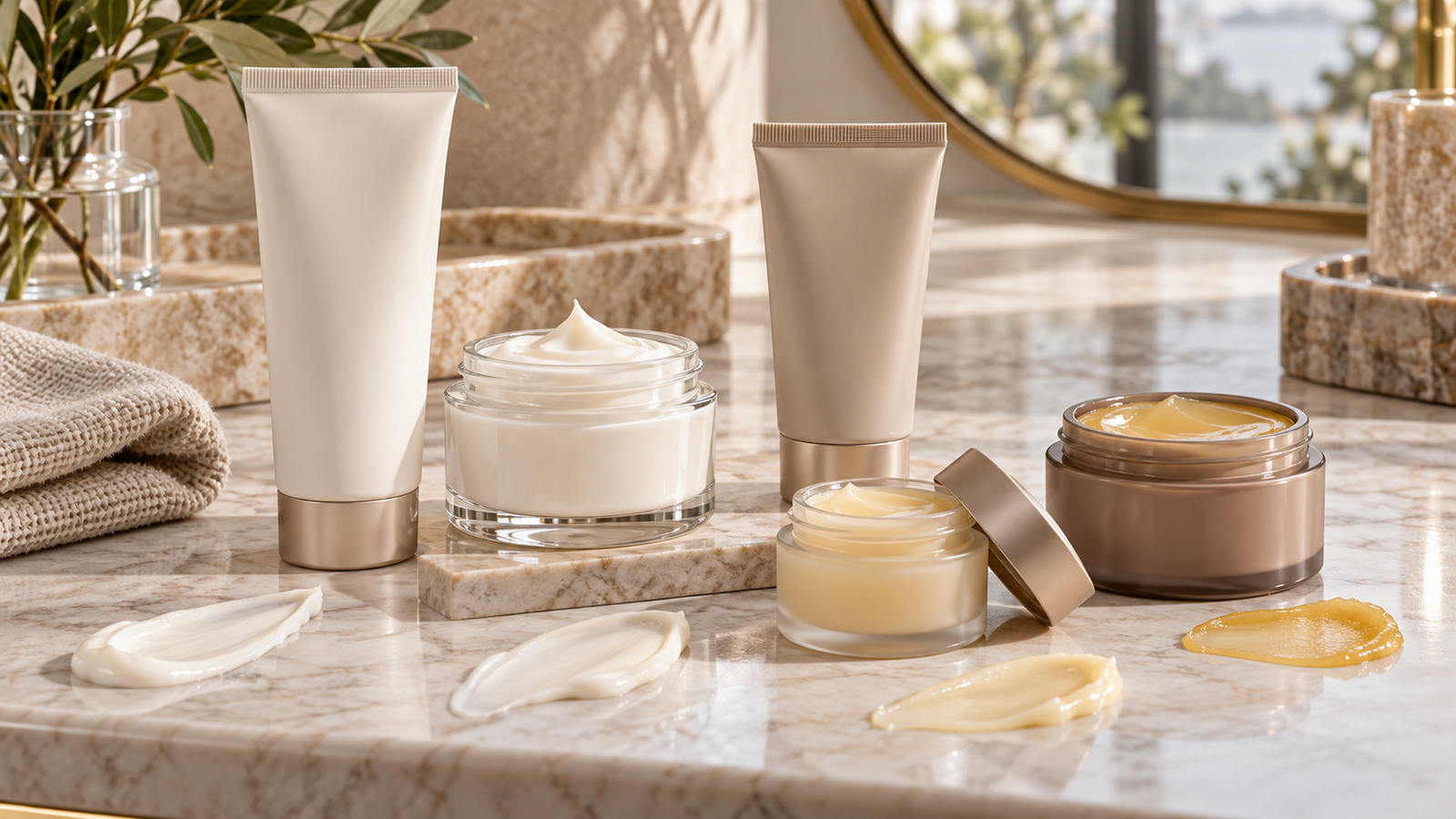
Gel, Cream or Balm: Which Texture Should You Choose?
Gel moisturizers
Gel and gel-cream textures are often light, fast-spreading and comfortable in warm or humid weather.
They can work well for people who dislike richer creams but still need hydration.
Cream moisturizers
Creams usually provide a balance of water, humectants, emollients and some moisture-sealing ingredients.
They are often the most versatile option for everyday face care.
Balms
Balms are generally richer and may contain a higher proportion of occlusive or emollient ingredients.
They can be useful when skin feels particularly dry or when you want a more protective layer over certain areas.
Is a Richer Moisturizer Always Better for the Skin Barrier?
No.
A very thick product is not automatically more effective.
The right texture depends on your skin, climate, routine and personal preference.
If a moisturizer is so heavy that you avoid using it, a lighter formula that you apply consistently may be more practical.
Barrier Moisturizers for Oily Skin
Oily skin can still become dehydrated, irritated or over-stripped.
A lightweight gel-cream or lotion with humectants and moderate emollience may feel more comfortable than a heavy balm.
Look for formulas that provide hydration without creating a finish you dislike.
There is no requirement for oily skin to avoid ceramides, glycerin or other barrier-support ingredients.
Barrier Moisturizers for Dry Skin
Dry skin generally benefits from a combination of humectants, emollients and ingredients that reduce moisture loss.
A cream or balm may feel more comfortable than a lightweight gel, particularly in dry climates or during winter.
For very dry areas, some people prefer using a richer product selectively rather than applying it equally across the entire face.
Barrier Moisturizers for Sensitive Skin
When skin is easily irritated, simplicity can be useful.
You may prefer a moisturizer with:
- A straightforward ingredient list
- Minimal fragrance or no fragrance
- A comfortable texture
- Humectants and emollients
- Barrier-support lipids where appropriate
However, “sensitive skin” is broad. If you have persistent burning, redness, eczema-like patches or unexplained irritation, professional dermatological advice may be more useful than continuing to change products.
When Should You Apply a Barrier-Support Moisturizer?
Moisturizer can generally be applied after cleansing and any lighter treatment products.
A simple evening sequence might look like:
- Cleanser
- Hydrating or treatment serum if used
- Moisturizer
During the day, sunscreen should usually be the final skincare step after moisturizer has settled.
Should Moisturizer Be Applied to Damp Skin?
Applying moisturizer to slightly damp skin can help reduce water loss after washing and may improve how hydrated the skin feels.
You do not need the face to be dripping wet.
Gently pat away excess water, then apply moisturizer while the skin still feels slightly hydrated.
Can You Use a Barrier Moisturizer With Retinol?
Yes.
A moisturizer can be useful in routines containing retinoids because these ingredients may cause dryness or irritation, particularly during the adjustment period.
Some people apply moisturizer after retinoid use, while others use a moisturizer before and after as a buffering technique.
Follow the instructions for your specific retinoid product and adjust frequency according to tolerance.
Can You Use Barrier Moisturizer With Exfoliating Acids?
Yes.
A moisturizer is often useful after exfoliating acids because it can help keep the skin comfortable.
The larger concern is using too many potentially irritating actives at the same time.
If your skin is already dry or reactive, reducing the frequency of exfoliation may be more useful than simply adding a heavier moisturizer on top.
Signs Your Routine May Be Too Aggressive
Possible signs include:
- Persistent tightness after cleansing
- Unexpected stinging from normally comfortable products
- Flaking or rough texture
- Increased redness
- Burning after applying skincare
These symptoms can have multiple causes, but they are a reason to simplify the routine and reduce unnecessary exfoliation or active ingredients.
What to Look for in a Barrier-Support Moisturizer
Rather than searching for one perfect ingredient, consider the complete product:
- Does it contain effective humectants such as glycerin?
- Does it include emollients that make the skin feel comfortable?
- Does the texture provide enough moisture retention for your skin?
- Does it contain ceramides or other barrier lipids if that is important to you?
- Does it layer well with your sunscreen?
- Will you actually use it consistently?
- Does the packaging suit how often you use it?
Ceramides vs Hyaluronic Acid: Which Is More Important?
They perform different roles, so this is not really an either-or comparison.
Hyaluronic acid is mainly used as a humectant to support hydration.
Ceramides are lipids associated with the skin’s barrier structure.
A moisturizer can contain both, one or neither and still be well formulated depending on its other ingredients.
Do You Need a Separate Barrier Serum?
Not necessarily.
A complete moisturizer can already provide hydration, emollience and barrier support.
A separate serum may be useful if you enjoy layering products or want a particular ingredient, but it is not automatically required.
Simpler routines are often easier to maintain and can be especially useful when the skin is already irritated.
What About Petrolatum?
Petrolatum is a highly occlusive ingredient often used in ointments and richer barrier products.
It can significantly reduce moisture loss from the skin surface.
Because it has a heavy texture, many people prefer using it selectively on very dry areas rather than across the entire face.
It can also be used as the final step over moisturizer in some routines, a practice sometimes referred to as “slugging.”
Is Slugging Necessary for Barrier Repair?
No.
Slugging is simply an optional technique that adds a highly occlusive layer over skincare.
It may be useful for very dry skin, but it can feel uncomfortable or unnecessarily heavy for other skin types.
A well-formulated cream or balm may already provide enough moisture retention without an additional occlusive layer.
Common Moisturizer Mistakes
Buying only for one ingredient
A product containing ceramides is not automatically better than every moisturizer without them.
Using too many products
A damaged-feeling or irritated routine often benefits from simplification rather than adding several new barrier serums and creams at once.
Ignoring cleanser choice
A very stripping cleanser can make it difficult for even a good moisturizer to keep the skin comfortable.
Using too much exfoliation
Frequent acids, scrubs or retinoids may overwhelm the skin if they are used more aggressively than your skin tolerates.
Skipping sunscreen
Moisturizer does not replace sun protection.
Daytime sunscreen remains important when UV exposure is expected.
When a Rich Balm May Make More Sense
A richer balm can be useful when:
- Your skin feels very dry
- You are in a cold or dry environment
- You want extra moisture retention overnight
- You have specific dry patches
- You prefer a more protective finish
However, a balm is not automatically required for barrier support.
When a Lighter Cream May Be Better
A lighter moisturizer may make more sense if:
- You live in a hot or humid climate
- Your skin becomes uncomfortable under heavy products
- You wear sunscreen and makeup during the day
- You prefer faster absorption
- You are prone to feeling greasy with rich creams
How to Compare Barrier Moisturizers
When comparing products, look at the following:
| Question | Why It Matters |
|---|---|
| Is it a gel, cream or balm? | Determines how rich the product may feel in your routine |
| What humectants are included? | Helps indicate the hydration component of the formula |
| Are ceramides or other lipids present? | Useful when you specifically want barrier-lipid support |
| How large is the pack? | Affects convenience and cost-per-use |
| Face only or face and body? | Changes how broadly the product can be used |
| Does the texture work under sunscreen? | Important for daytime routine compatibility |
Which Barrier Moisturizer Should You Choose?
If you prefer a lighter everyday product, start with a cream or gel-cream that combines humectants and comfortable emollients.
If your skin feels consistently dry, you may prefer a richer cream with more occlusive support.
If you have very dry areas or want a multipurpose face-and-body option, a balm can be more practical.
If ceramides are important to you, look for them as part of a balanced formula rather than treating the word “ceramide” as the only buying criterion.
For specific options, see our Top 5 Barrier Repair Moisturizers in India.
Frequently Asked Questions
Do ceramides repair the skin barrier?
Ceramides are naturally present in the skin barrier and are commonly included in moisturizers designed to support barrier function. However, overall formula quality and consistent use matter more than one ingredient alone.
Is hyaluronic acid enough for dry skin?
Not always. Hyaluronic acid is primarily a humectant. Dry skin may also benefit from emollient and occlusive ingredients that help improve softness and reduce moisture loss.
Can oily skin use ceramide moisturizers?
Yes. Ceramides are not inherently oily or unsuitable for oily skin. The overall texture and formulation matter more.
Should I use moisturizer if my skin is acne-prone?
Yes. Acne-prone skin still needs hydration and moisture support. Choose a texture that feels comfortable and works with your treatment routine.
How long does it take for a moisturizer to help dry skin?
Skin may feel more comfortable soon after application, but persistent dryness or irritation may require regular use and changes elsewhere in the routine. Ongoing symptoms should be evaluated professionally if they do not improve.
Is a balm better than a cream?
Not automatically. Balms are usually richer, while creams are often more versatile. The better choice is the one that suits your skin, climate and routine.
Final Takeaway
A good barrier-support moisturizer does not depend on one trendy ingredient.
The most useful formulas combine several functions: humectants help maintain hydration, emollients improve softness, lipids such as ceramides can support the skin’s surface structure and occlusives help reduce moisture loss.
Choose the texture and ingredient balance that fits your skin rather than automatically choosing the richest product or the longest ingredient list.
The goal is not to make your routine more complicated. It is to keep the skin consistently comfortable, adequately moisturized and protected from unnecessary irritation.
Physical Glow publishes educational beauty, fitness and wellness content. This article is for general information and is not a substitute for diagnosis or treatment from a qualified dermatologist or healthcare professional.