How to Use Sunscreen Sticks Correctly for Face and Reapplication
Sunscreen sticks are convenient because they are compact, portable and easy to apply without getting product all over your hands. They are especially useful for reapplication during the day, around the hairline, on the ears or over smaller exposed areas.
The main limitation is coverage. A sunscreen stick can only provide the protection stated on the label when enough product is applied evenly. One light swipe is unlikely to create the tested film thickness across the skin.
This guide explains how to use sunscreen sticks correctly, how many passes may be needed, when they work best for reapplication and where they fit into a broader sun-protection routine.
What Is a Sunscreen Stick?
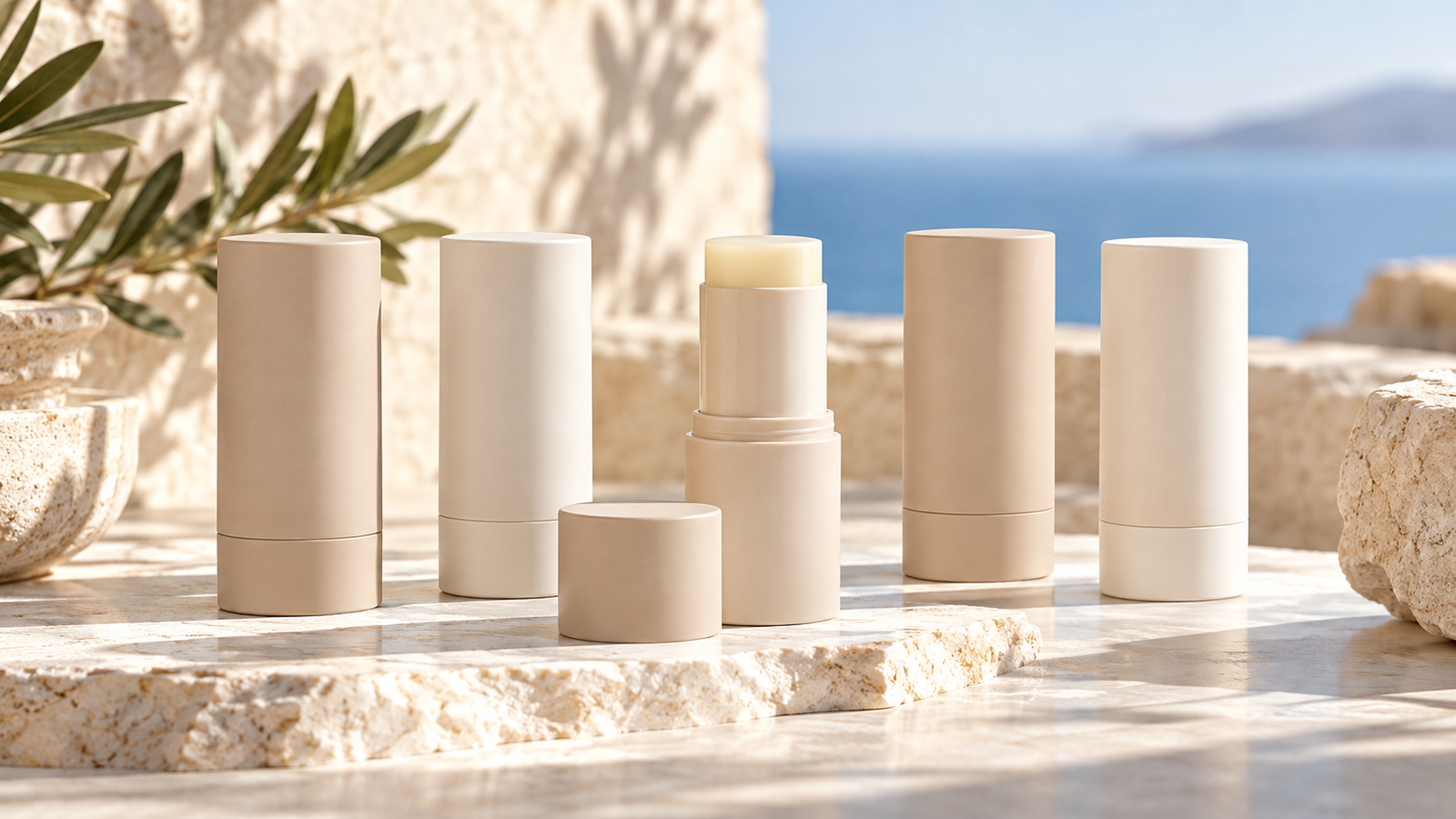
A sunscreen stick is a solid sunscreen formula housed in a twist-up or push-up container.
Instead of dispensing a lotion, cream or fluid, the product is applied directly to the skin as a solid layer.
Most sunscreen sticks are designed around convenience and portability.
They may be especially useful for:
- Quick reapplication
- Targeted areas
- Travel
- Children who dislike messy creams
- Hairline and ear application
- Outdoor touch-ups
Do Sunscreen Sticks Work?
Yes, when they are applied in sufficient quantity and according to the manufacturer’s instructions.
The issue is not that sticks are ineffective. The issue is that it can be easy to under-apply them because a single swipe feels like more coverage than it actually provides.
Like other sunscreen formats, the labelled SPF is based on testing performed at a defined application amount.
If you use much less than that amount, the real-world protection can be lower.
Why One Swipe Is Usually Not Enough
A light single pass deposits only a thin layer of product.
That layer may not be thick or even enough to match the level of sunscreen used during SPF testing.
To improve coverage, the stick usually needs to be passed repeatedly over the same area.
The exact number of passes can vary by product design, pressure and formula, so follow the brand’s instructions where available.
How to Apply a Sunscreen Stick on the Face
A practical method is:
- Start with clean, dry skin or your normal morning skincare.
- Apply moisturizer first if you use one.
- Allow skincare to settle.
- Twist up only a small amount of the sunscreen stick.
- Glide the stick slowly across the skin.
- Use multiple overlapping passes over each exposed area.
- Make sure you cover the forehead, cheeks, nose, chin and jawline.
- Do not forget the ears and hairline.
- Blend lightly with clean fingers if the formula or application leaves uneven edges.
How Many Passes of Sunscreen Stick Should You Apply?
There is no universal number that applies perfectly to every stick.
Application depends on:
- The width of the stick
- How much product transfers per pass
- How firmly you press
- The shape of the area
- The manufacturer’s directions
In practical terms, one light swipe should not be treated as enough.
Use several overlapping passes so there are no obvious gaps.
Should You Rub Sunscreen Stick In With Your Fingers?
You can if needed.
Some users prefer direct application only, while others lightly blend after using the stick to even out the film around curved areas such as the nose and jaw.
The important point is not to remove most of the product while blending.
Use clean fingers and spread only enough to improve evenness.
Which Areas Are Easy to Miss?
Commonly missed areas include:
- Along the hairline
- Between the eyebrows
- Sides of the nose
- Under the lower lip
- Jawline
- Ears
- Upper neck
Because sunscreen sticks are narrow, they can actually be useful for these areas when used carefully.
Can You Use a Sunscreen Stick as Your Main Morning Sunscreen?
Yes, but only if you apply enough and cover the entire exposed area evenly.
For some people, a lotion or fluid sunscreen is easier for the initial morning application because it is simpler to spread a generous amount over the whole face and neck.
A stick can then be used later for touch-ups and reapplication.
Why Sunscreen Sticks Are Popular for Reapplication
Reapplication is where the stick format becomes especially convenient.
You do not need to pour product into your hands, and the packaging is easy to carry in a bag.
A stick can also help target areas where sunscreen may wear away faster, such as:
- Nose
- Cheeks
- Forehead
- Ears
- Hairline
How Often Should You Reapply Sunscreen?
Follow the instructions on your sunscreen.
In general, sunscreen needs reapplication during ongoing sun exposure, particularly after:
- Sweating
- Swimming
- Towel drying
- Extended outdoor exposure
Reapplication is especially important when you are outside for long periods.
Can You Reapply Sunscreen Stick Over Makeup?
Yes, but the technique needs care.
Dragging a stick repeatedly across makeup can move foundation, blush or powder.
If you want to minimise disruption:
- Use gentle pressure.
- Apply in short controlled passes.
- Avoid rubbing back and forth aggressively.
- Lightly pat rather than smear if blending is necessary.
Even so, makeup may shift somewhat.
Does Sunscreen Stick Work Over Powder?
It can, but powder underneath may change how smoothly the stick glides.
The sunscreen may pick up some cosmetic product onto the surface of the stick.
If this happens, wipe the outer surface gently according to the product’s hygiene instructions before closing it.
Can Sunscreen Stick Replace Sunscreen Spray?
They serve similar portability needs but apply very differently.
A stick offers direct, visible contact with the skin and is useful for targeted areas.
A spray can cover larger areas quickly, but it can also be difficult to judge how much product actually lands on the skin.
Neither format is automatically better.
Sunscreen Stick vs Cream Sunscreen
| Feature | Sunscreen Stick | Cream or Lotion Sunscreen |
|---|---|---|
| Application | Direct solid swipe | Spread by hand |
| Portability | Excellent | Moderate |
| Initial full-face coverage | Can require many passes | Usually easier to spread evenly |
| Reapplication | Very convenient | Can be messier |
| Targeted areas | Excellent | Good |
Can Oily Skin Use Sunscreen Sticks?
Yes.
Many sticks are designed with matte or soft-matte finishes that may appeal to oily skin.
However, not every matte-labelled product will feel the same.
The full formula determines whether it feels dry, waxy, smooth or heavy.
Sunscreen Sticks for Dry Skin
Dry skin may prefer a more emollient sunscreen stick.
If the stick feels too draggy, applying it over a comfortable moisturizer can improve application.
A very matte formula may feel less comfortable on already dry or flaky areas.
Sunscreen Sticks for Sensitive Skin
Sensitive skin should pay attention to the same things it would with any sunscreen:
- Fragrance
- Alcohol
- Botanical extracts
- Filter system
- Overall texture
The stick format itself does not automatically make a sunscreen more or less suitable for sensitive skin.
Can Sunscreen Sticks Be Used Around the Eyes?
Only if the product is suitable for that area.
A stick can provide useful control around the orbital area, but avoid getting sunscreen directly into the eyes.
If a product repeatedly causes eye stinging, choose a different formula or leave a small safety margin around the lash line.
Are Sunscreen Sticks Good for Children?
The mess-free format can be convenient for children, especially for smaller areas.
However, use a sunscreen appropriate for the child’s age and follow paediatric or product guidance.
An adult should usually help ensure enough product is applied evenly.
Can You Use Sunscreen Stick on the Body?
Yes, but applying enough to large body areas can be slow.
Sticks are usually more practical for:
- Face
- Ears
- Back of hands
- Shoulders
- Small exposed areas
A lotion or spray may be easier for arms, legs and other large surfaces.
What Does SPF50 Mean?
SPF primarily describes protection against UVB radiation under standardised test conditions.
Higher SPF does not mean you can apply less product or stay in the sun indefinitely.
Application quantity, coverage and reapplication remain important.
What Does PA++++ Mean?
The PA system is commonly used to communicate UVA protection.
More plus signs indicate a higher tested UVA protection category within that system.
A sunscreen labelled SPF50+ PA++++ therefore communicates both high UVB protection and a high UVA protection rating under its relevant testing framework.
Is SPF60 Much Better Than SPF50?
Both represent high labelled protection when used correctly.
The practical difference can be less important than whether you apply enough product and reapply it properly.
Do not choose a sunscreen solely because one number is slightly higher.
Can You Use Too Much Sunscreen Stick?
Applying enough for proper coverage is important, but extremely heavy layers can feel uncomfortable, waxy or difficult to blend.
The goal is complete, even coverage rather than endlessly layering product.
Why Does Sunscreen Stick Pill?
Pilling can happen when sunscreen interacts poorly with products underneath.
Possible causes include:
- Too many skincare layers
- Heavy silicone-based products underneath
- Rubbing excessively
- Applying before moisturizer has settled
- Repeatedly dragging the stick over the same area
Allow each skincare layer to settle before applying the next product.
Why Does Sunscreen Stick Feel Waxy?
The solid format usually requires ingredients that keep the product firm inside the container.
This can create a waxier feel than a fluid sunscreen.
Some formulas minimise this sensation, while others intentionally create a more substantial protective film.
Can Sunscreen Stick Melt?
Yes.
Because sticks are solid formulations, excessive heat can soften or deform them.
Avoid leaving one in:
- A parked car
- Direct sunlight
- Very hot bags or compartments
Store according to the manufacturer’s instructions.
How to Keep a Sunscreen Stick Clean
The product surface comes into direct contact with the skin, so basic hygiene helps.
- Apply to reasonably clean skin when possible.
- Do not share the stick unnecessarily.
- Wipe visible makeup or debris from the surface gently.
- Keep the cap closed between uses.
- Avoid touching the exposed product with dirty hands.
Does Sunscreen Stick Expire?
Yes.
Check the expiry date and any period-after-opening symbol on the packaging.
Discard the sunscreen if the texture, smell or appearance changes unexpectedly, especially after exposure to excessive heat.
Can You Apply Sunscreen Stick Directly From the Container?
Yes. That is its intended application method.
The main requirement is using enough overlapping passes and making sure curved areas are fully covered.
Should You Apply Sunscreen Stick Before or After Moisturizer?
Sunscreen is generally applied after moisturizer as the final skincare step in the morning.
A simple routine might be:
- Cleanser
- Serum if used
- Moisturizer
- Sunscreen
- Makeup if used
Does Sunscreen Stick Need Time Before Sun Exposure?
Follow the instructions for the exact sunscreen.
Some products recommend applying before sun exposure to allow an even film to settle.
Do not assume every sunscreen has identical instructions.
Can Sunscreen Stick Be Used Indoors?
Whether you need sunscreen indoors depends on your exposure to daylight and UV through windows.
If you spend significant time near windows or move outdoors during the day, a normal daytime sunscreen routine may still make sense.
Common Sunscreen Stick Mistakes
Using one light swipe
This is the biggest problem with the format.
Missing the edges of the face
Hairline, ears and jawline are easy to overlook.
Applying only once for an entire outdoor day
Sunscreen requires reapplication during ongoing exposure.
Pressing too hard
Excessive pressure can drag the skin and disturb makeup without necessarily improving coverage.
Relying on SPF makeup instead
Makeup with SPF is difficult to apply in the quantity needed for dependable standalone sun protection.
Forgetting the neck
If the neck is exposed, it needs protection too.
How to Reapply Sunscreen Stick During the Day
- Blot heavy sweat or excess oil if needed.
- Make sure the skin surface is reasonably dry.
- Apply multiple overlapping passes.
- Cover high-exposure areas carefully.
- Blend lightly only if needed.
- Reapply again after heavy sweating, swimming or towel drying according to the product directions.
Who Is a Sunscreen Stick Best For?
A stick can be particularly useful if you:
- Want a portable reapplication product
- Dislike carrying liquid sunscreen
- Need targeted coverage around the ears or hairline
- Want a mess-free option for travel
- Prefer a solid formula
Who May Prefer a Cream or Fluid Instead?
A conventional sunscreen may be easier if you:
- Want fast full-face and neck coverage
- Prefer a very lightweight texture
- Need to cover large body areas
- Find repeated stick passes inconvenient
You can also use both formats: a cream or fluid for the initial morning layer and a stick for reapplication.
How to Choose a Sunscreen Stick
Consider:
- SPF rating
- UVA protection rating
- Pack size
- Finish
- Skin feel
- Fragrance preference
- Whether the product is water resistant
- Whether you need it mainly for first application or reapplication
For specific options, see our Top 5 Sunscreen Sticks in India.
Frequently Asked Questions
How many swipes of sunscreen stick should I use?
There is no universal number because transfer varies by product. Use several overlapping passes and follow the exact manufacturer’s directions rather than relying on one light swipe.
Can I use a sunscreen stick every day?
Yes, provided the product suits your skin and you use it according to its instructions.
Is sunscreen stick better than lotion?
Not inherently. Sticks are more convenient for portable and targeted application, while lotions are often easier for complete full-face and body coverage.
Can I reapply sunscreen stick over makeup?
Yes, but use gentle pressure because repeated dragging may disturb makeup.
Can sunscreen sticks clog pores?
The solid format alone does not determine whether a product will suit acne-prone skin. The complete formulation and individual response matter.
Do sunscreen sticks leave a white cast?
Some may, depending on the UV filters, formula and skin tone. Others are designed for a transparent finish.
Final Takeaway
Sunscreen sticks are most useful when their convenience helps you apply or reapply sun protection more consistently.
The critical point is quantity. One quick swipe should not be treated as complete protection.
Use several overlapping passes, pay attention to curved and commonly missed areas and reapply during extended sun exposure according to the product instructions.
For many people, the most practical routine is a cream or fluid sunscreen for the initial morning application and a stick for convenient daytime touch-ups.
Whichever format you choose, even coverage and adequate application matter more than the packaging.
Physical Glow publishes educational beauty, fitness and wellness content. This article is for general informational purposes and is not a substitute for professional dermatological or medical advice.