How to Layer Face Serums Without Overcomplicating Your Routine
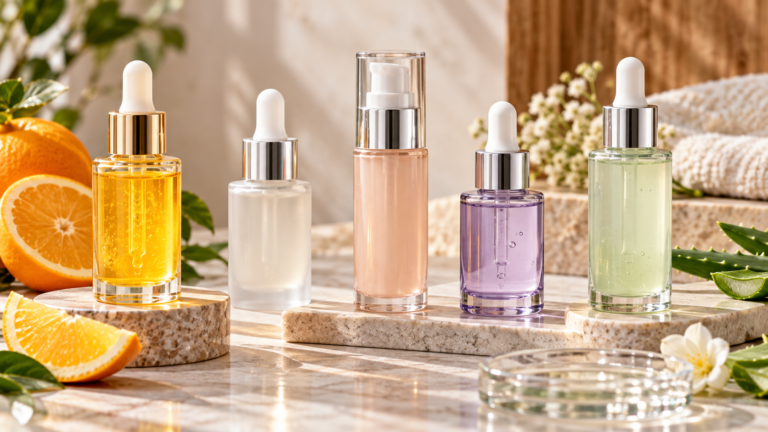
Face serums are everywhere in modern skincare. Vitamin C, niacinamide, hyaluronic acid, alpha arbutin and peptides are often promoted for different skin concerns. With so many options, it is tempting to combine several serums in one routine.
However, using more serums does not automatically produce better results. An effective skincare routine depends on choosing appropriate ingredients, understanding how products interact and using them consistently without irritating your skin.
This guide explains how to layer face serums, select the right ingredients and build a manageable daily skincare routine.
1. Understand What Each Serum Does
Before combining multiple serums, identify the purpose of each product.
Vitamin C: Commonly used in skincare formulas designed to address dullness and uneven-looking skin tone. Its stability, effectiveness and tolerability depend on the type of Vitamin C and the complete formulation.
Niacinamide: A form of Vitamin B3 frequently included in products intended to support the skin barrier, improve hydration and address uneven-looking tone.
Hyaluronic Acid: A humectant that attracts and helps retain water. Hyaluronic acid serums are commonly used to support skin hydration.
Alpha Arbutin: An ingredient used in products targeting the appearance of dark spots and uneven pigmentation.
Peptides: Short chains of amino acids included in various skincare formulations. Their potential benefits depend on the specific peptide and the finished product.
An important distinction is that a product’s highlighted ingredient does not describe its entire formulation. Always consider the complete ingredient list, directions and potential irritants.
2. The Correct Order for Layering Face Serums
A simple skincare routine generally follows this sequence:
Morning skincare routine
- Cleanser: Gently cleanse your face if needed.
- Targeted serum: Apply your chosen serum according to its instructions.
- Moisturizer: Use a suitable moisturizer to help maintain hydration.
- Sunscreen: Finish with a broad-spectrum sunscreen, preferably SPF 30 or higher.
For example, someone whose primary concern is uneven-looking skin tone might choose a Vitamin C serum in the morning, followed by moisturizer and sunscreen.
Evening skincare routine
- Remove makeup and sunscreen as needed.
- Cleanse gently.
- Apply your selected treatment serum.
- Finish with moisturizer.
An evening routine might include a niacinamide serum or another well-tolerated treatment.
Important: Manufacturer instructions take priority over general layering rules. Some products are intended for specific times of day or require a particular application frequency.
3. Should You Apply Thin Serums Before Thick Serums?
A commonly recommended approach is to apply lighter, water-based serums before thicker formulations.
This can make application easier, but it is not an absolute rule.
For example:
- A lightweight hyaluronic acid serum can often be applied before a thicker moisturizing serum.
- A cream-based treatment may be more appropriate after a watery serum, depending on its instructions.
- A moisturizer usually follows treatment serums.
You generally do not need to wait several minutes between every layer. Allow each product to settle sufficiently to apply the next without excessive rubbing.
If products begin forming small flakes or rolling off the skin, known as pilling, consider reducing the amount applied or simplifying the combination.
4. Can Vitamin C and Niacinamide Be Used Together?
Yes. Vitamin C and niacinamide can generally be included in the same skincare routine.
The popular belief that these two ingredients must never be combined is an oversimplification.
Many modern skincare formulations contain both ingredients. However, compatibility in principle does not guarantee that every combination of separate products will feel comfortable on every person’s skin.
If you are introducing both ingredients for the first time, consider using one initially and adding the second only after your skin has tolerated the first.
Another convenient approach is to use a Vitamin C product in the morning and a niacinamide product in the evening.
This separation is optional, not a requirement.
5. How Many Face Serums Should You Use?
There is no universal requirement to use two, three or more serums.
For many people, one carefully selected serum is sufficient to address a specific skincare goal.
Consider the following examples:
| Primary skin concern | Ingredient to consider |
|---|---|
| Dehydrated-feeling skin | Hyaluronic acid |
| Dull or uneven-looking skin tone | Vitamin C |
| Barrier-support routine | Niacinamide |
| Appearance of dark spots | Alpha arbutin |
| General hydration and skin comfort | Hyaluronic acid or a suitable moisturizer |
These are general ingredient categories, not guaranteed treatments or personalized recommendations.
If your primary concern is dryness, you may benefit more from selecting a suitable moisturizer than from adding multiple treatment serums.
6. Introduce New Serums One at a Time
Using multiple new skincare products simultaneously can make it difficult to identify which product is responsible for irritation.
A more practical method is to introduce one product at a time.
The American Academy of Dermatology recommends testing new skincare products on a small area before incorporating them into a full routine. Its guidance explains that some reactions may take several days to appear.
When introducing a serum:
- Follow the manufacturer’s recommended application frequency.
- Observe redness, burning, itching or unusual dryness.
- Avoid introducing several strong active treatments simultaneously.
- Keep the rest of your routine consistent.
- Stop using a suspected irritant if a reaction develops.
Seek professional advice for persistent or significant reactions.
7. Common Serum Layering Mistakes
Using too many active ingredients
Combining multiple exfoliating acids, retinoids and other potentially irritating products can increase the risk of discomfort.
More products do not necessarily mean more effective skincare.
Ignoring moisturizer
Serums and moisturizers serve different purposes.
A hydrating serum may attract water, while a suitable moisturizer can help reduce water loss and support skin comfort.
Applying excessive quantities
Using more than the recommended amount does not guarantee faster results. Excessive application may also contribute to product pilling or irritation.
Changing products too frequently
Constantly replacing serums makes it difficult to understand which products suit your skin.
Skipping sunscreen
Some skincare goals, particularly those involving uneven pigmentation, require consistent attention to sun protection. Treatment serums do not replace sunscreen.
8. Build a Simple Routine Around Your Skin Goal
Instead of selecting ingredients based on popularity, begin with one primary concern.
For hydration: Start with a gentle cleanser, hydrating serum if needed, moisturizer and daytime sunscreen.
For uneven-looking skin tone: Consider one appropriate targeted serum, maintain moisturization and use sunscreen consistently.
For sensitive or easily irritated skin: Prioritize a gentle cleanser, suitable moisturizer and sunscreen before experimenting with additional treatments.
The goal is not to create the longest possible routine. It is to establish a manageable routine that your skin tolerates.
9. Frequently Asked Questions
Can I use hyaluronic acid and niacinamide together?
Yes. These ingredients are commonly used together in skincare formulations. Introduce new products gradually and follow their individual instructions.
Should Vitamin C always be applied in the morning?
Not necessarily. Many Vitamin C serums are suitable for morning use, but application timing depends on the formulation and product directions.
How long should I wait between two serums?
There is no universal waiting period. Allow the first product to settle enough for comfortable application of the next, unless the manufacturer specifies otherwise.
Is a serum with a higher ingredient percentage always better?
No. Higher concentrations do not automatically deliver better results. The complete formulation, tolerability and appropriate usage are important.
Can I skip moisturizer if I use a hydrating serum?
Some people may find a hydrating serum sufficient in certain conditions, but serums do not always replace the benefits of moisturizer. Choose based on your skin’s needs and the product formulation.
10. Final Takeaway
An effective skincare routine does not need a complicated collection of face serums.
Start by identifying your main skin concern, choose one suitable product and introduce additional treatments only when necessary.
Consistency, appropriate product selection, moisturization and sun protection matter more than the number of serums you apply.
A simple routine that your skin tolerates is generally a better starting point than an elaborate routine built around every trending ingredient.
References and Further Reading
- American Academy of Dermatology — How to Test Skincare Products
- American Academy of Dermatology — How to Choose a Moisturizer
Editorial note: This article provides general skincare education. Product suitability varies, and no specific products were independently tested for this article. Persistent or significant skin concerns should be discussed with a qualified healthcare professional.