How to Choose a Body Lotion for Dry, Sensitive or Rough Skin
Body lotion is often treated as a basic skincare product, but choosing the right one can make a noticeable difference to how comfortable your skin feels throughout the day.
The best formula depends on what your skin actually needs.
Someone with mildly dry skin may only need a lightweight daily moisturiser. Sensitive skin may do better with a simpler fragrance-free formula. Rough or very dry areas may need a richer product containing ingredients that soften and smooth the skin more effectively.
The most useful way to choose is to look at:
- your skin type
- how dry or rough the skin feels
- whether irritation is present
- the ingredients in the formula
- the texture you are willing to use consistently
- the climate and season
This guide explains how to choose a body lotion for dry, sensitive or rough skin without making the routine unnecessarily complicated.
What Does Body Lotion Actually Do?
Body lotion helps support the skin by reducing moisture loss and improving surface comfort.
Depending on the formula, it may help:
- soften dry skin
- reduce tightness
- improve rough texture
- support the skin barrier
- reduce visible flaking
- make the skin feel smoother
- improve comfort after bathing
A lotion does not need to feel heavy to be effective.
The right texture depends on both your skin and your preferences.
Lotion vs Cream vs Body Butter
These terms are sometimes used loosely, but they generally describe different textures.
Body Lotion
Usually:
- lighter
- easier to spread
- faster absorbing
Best suited to:
- normal skin
- mild dryness
- daytime use
- warm climates
Body Cream
Usually:
- thicker
- richer
- more moisturising
Best suited to:
- dry skin
- colder weather
- evening use
- areas needing more moisture
Body Butter
Usually:
- very rich
- highly occlusive
- slower to absorb
Best suited to:
- very dry areas
- elbows
- knees
- feet
- people who prefer heavier textures
The richest product is not automatically the best one.
If you dislike using it, you are less likely to apply it consistently.
How Moisturisers Work
Body moisturisers usually combine different ingredient types.
The three main groups are:
- humectants
- emollients
- occlusives
A good formula may contain ingredients from more than one group.
Humectants
Humectants help attract and hold water in the outer layers of the skin.
Common examples include:
- glycerin
- hyaluronic acid
- urea
- panthenol
These are useful when skin feels dehydrated or tight.
Emollients
Emollients help smooth the spaces between skin cells.
They can improve:
- softness
- texture
- flexibility
Common examples may include:
- fatty alcohols
- plant oils
- ceramides
- esters
Occlusives
Occlusives help reduce water loss from the skin surface.
Examples include:
- petrolatum
- mineral oil
- dimethicone
- certain waxes
These can be particularly useful for very dry skin.
How to Choose Body Lotion for Dry Skin
Dry skin often feels:
- tight
- rough
- flaky
- uncomfortable after bathing
Look for formulas containing ingredients such as:
- glycerin
- ceramides
- petrolatum
- dimethicone
- hyaluronic acid
- shea butter
- fatty alcohols
You may prefer a cream rather than a very light lotion if dryness is significant.
The best product should leave the skin comfortable for several hours rather than feeling dry again soon after application.
How to Choose Body Lotion for Very Dry Skin
Very dry skin often needs a richer formulation.
Look for:
- stronger occlusive ingredients
- ceramides
- glycerin
- urea at appropriate concentrations
- petrolatum
- richer emollients
A thick cream or balm may work better than a lightweight lotion.
Apply soon after bathing while the skin is still slightly damp.
This can help reduce moisture loss.
How to Choose Body Lotion for Sensitive Skin
Sensitive skin needs a more cautious approach.
Look for formulas that are:
- fragrance-free if fragrance irritates your skin
- relatively simple
- comfortable on application
- free from ingredients you already know cause reactions
Do not assume that:
- natural
- herbal
- botanical
automatically means gentler.
Plant extracts and essential oils can still irritate some people.
For sensitive skin, a plain moisturiser may be more useful than a highly fragranced formula with many active ingredients.
Fragrance-Free vs Unscented
These terms are not always identical.
Fragrance-Free
Usually means no fragrance has been deliberately added for scent.
Unscented
May still contain ingredients used to mask natural product odour.
If fragrance is a known trigger for you, fragrance-free products are generally the clearer choice.
Always check the ingredient list if sensitivity is a concern.
How to Choose Body Lotion for Rough Skin
Rough skin may benefit from moisturising ingredients plus gentle keratolytic ingredients.
These can help loosen or soften excess dead skin buildup.
Common examples include:
- urea
- lactic acid
- salicylic acid
- alpha-hydroxy acids
These ingredients can be especially useful on areas such as:
- elbows
- knees
- upper arms
- thighs
- heels
However, they can also sting on:
- cracked skin
- freshly shaved skin
- irritated skin
Start cautiously.
Urea in Body Lotion
Urea is a useful ingredient because its effect changes with concentration.
At lower concentrations, it mainly acts as a humectant and moisturising ingredient.
At higher concentrations, it can also help soften thicker rough skin.
It may be useful for:
- rough elbows
- dry legs
- thickened skin
- very dry feet
Because stronger urea formulas can sting on damaged skin, follow product directions carefully.
Lactic Acid in Body Lotion
Lactic acid is an AHA that can help improve the appearance of rough, uneven skin.
It may be useful for:
- bumpy texture
- roughness
- dull surface
- dry buildup
Because it exfoliates, it may cause irritation if:
- used too often
- applied on damaged skin
- combined with several other exfoliating products
Use it according to the product directions.
Salicylic Acid in Body Lotion
Salicylic acid can help exfoliate rough or congested areas.
It is commonly used in body products for:
- rough bumps
- clogged follicles
- uneven texture
It may be useful on areas such as:
- upper arms
- back
- thighs
However, not everyone needs it.
If your main concern is simple dryness, a basic moisturiser may be enough.
What About Ceramides?
Ceramides are naturally present in the skin barrier.
Ceramide-containing moisturisers are often used to support barrier function.
They can be useful for:
- dry skin
- sensitive skin
- skin that becomes tight after bathing
However, the full formula still matters.
A product is not automatically ideal simply because ceramides appear on the label.
Glycerin
Glycerin is one of the most common and useful moisturising ingredients.
It acts as a humectant and helps attract water into the outer skin layer.
It is suitable for many skin types and appears in both:
- lightweight lotions
- rich creams
It does not need to be a premium ingredient to be effective.
Hyaluronic Acid in Body Lotion
Hyaluronic acid is another humectant.
It can help support hydration but is not automatically more effective than simpler ingredients such as glycerin.
For body care, look at the overall formulation rather than choosing a product only because it contains hyaluronic acid.
Shea Butter and Plant Oils
Ingredients such as:
- shea butter
- coconut oil
- sunflower oil
- jojoba oil
can provide emollient or occlusive effects.
They may help improve softness and reduce moisture loss.
However, rich oils can feel heavy in hot or humid weather.
Choose based on skin comfort rather than ingredient popularity.
Petrolatum
Petrolatum is a highly effective occlusive ingredient.
It can help reduce water loss from very dry skin.
It is particularly useful for:
- elbows
- knees
- cracked heels
- severely dry patches
Some people dislike the greasy feel, so it may work better as a targeted treatment rather than an all-over lotion.
Dimethicone
Dimethicone is a silicone-based ingredient commonly used in moisturisers.
It can help:
- smooth the skin surface
- reduce moisture loss
- improve slip
It is often useful in formulas that need to feel protective without being extremely greasy.
Body Lotion for Normal-to-Dry Skin
If your skin is only mildly dry, you may not need a rich cream.
Look for:
- glycerin
- light emollients
- fast-absorbing texture
Apply after showering and whenever the skin feels tight.
Body Lotion for Oily or Sweaty Skin
Yes, oily or sweaty skin can still need moisturiser.
In warm or humid climates, choose:
- lightweight lotion
- gel-cream texture
- fast-absorbing formula
Avoid heavy body butter if it makes you feel sticky.
The goal is comfort, not maximum richness.
Body Lotion for Combination Body Skin
Some people have:
- dry legs
- normal arms
- rough elbows
- oily back or chest
You do not need one product everywhere.
For example:
- light lotion on normal areas
- richer cream on legs
- exfoliating lotion on rough patches
Targeted application is often more practical.
Body Lotion for Keratosis Pilaris
Keratosis pilaris commonly appears as small rough bumps, often on:
- upper arms
- thighs
- buttocks
Moisturisers containing ingredients such as:
- urea
- lactic acid
- salicylic acid
may help smooth the appearance over time.
Avoid aggressive scrubbing.
Harsh physical exfoliation can irritate the skin and make redness more noticeable.
If the condition is persistent or inflamed, professional dermatological advice may be useful.
Body Lotion for Eczema-Prone Skin
If you have eczema-prone skin, prioritise:
- fragrance-free formulas
- rich moisturisers
- barrier-supportive ingredients
Avoid introducing multiple active ingredients during a flare.
Persistent, severe or widespread eczema should be managed with professional medical guidance rather than cosmetic moisturiser alone.
Body Lotion After Shaving
Freshly shaved skin may be more sensitive.
Use a gentle lotion that does not sting.
Avoid strong exfoliating products immediately after shaving if your skin is prone to irritation.
A simple fragrance-free moisturiser is often a safer choice.
Body Lotion After Waxing
The skin may be temporarily sensitive after waxing.
Avoid:
- strong acids
- heavily fragranced products
- aggressive rubbing
Use a gentle moisturiser and follow aftercare guidance.
Body Lotion for Rough Elbows and Knees
These areas often need richer treatment.
Useful options include:
- urea
- petrolatum
- lactic acid
- thicker creams
Apply consistently.
Very rough areas often improve gradually rather than after one application.
Body Lotion for Cracked Heels
Heels often require:
- rich occlusive moisturisers
- urea-based foot creams
- consistent application
Severe cracks that are:
- painful
- bleeding
- infected-looking
should be assessed appropriately.
When Should You Apply Body Lotion?
The best time is often shortly after bathing.
Apply within a few minutes while the skin is still slightly damp.
This can help trap moisture.
You can also reapply:
- before bed
- after swimming
- after washing
- whenever skin feels dry
How Much Body Lotion Should You Use?
Use enough to cover the skin in a thin, even layer.
The skin should feel:
- comfortable
- soft
rather than coated in excessive residue.
The amount depends on:
- body area
- product texture
- skin dryness
There is no need to use a thick layer if a smaller amount provides lasting comfort.
Should You Apply Lotion to Wet or Dry Skin?
Slightly damp skin is often ideal.
Applying moisturiser after bathing can help seal in water.
Do not apply to dripping-wet skin unless the product is specifically designed for in-shower or wet-skin use.
Body Lotion After Showering
A simple routine:
- Use lukewarm rather than excessively hot water.
- Use a gentle cleanser where needed.
- Pat the skin dry.
- Leave the skin slightly damp.
- Apply moisturiser within a few minutes.
This is often more effective than waiting until the skin feels completely dry and tight.
Hot Showers and Dry Skin
Very hot water can worsen dryness for some people.
If your skin feels:
- tight
- itchy
- rough
after bathing, try:
- shorter showers
- lukewarm water
- gentler cleansing
- immediate moisturisation
Does Body Wash Matter?
Yes.
A harsh body cleanser can remove more surface lipids and contribute to dryness.
If you have dry or sensitive skin, look for:
- gentle cleansing
- non-stripping formulas
- fragrance-free options if needed
You do not have to scrub the entire body aggressively every day.
Should You Exfoliate Before Applying Lotion?
You can, but not necessarily every time.
Gentle exfoliation may help rough skin.
However, over-exfoliation can cause:
- redness
- stinging
- dryness
- barrier disruption
If your lotion already contains:
- AHA
- BHA
- urea
you may not need a separate scrub.
Physical Scrubs vs Exfoliating Lotions
Physical Scrubs
Use particles or friction.
They can work for some people but may irritate sensitive skin if used aggressively.
Exfoliating Lotions
Use ingredients such as:
- lactic acid
- salicylic acid
- urea
These may provide more controlled exfoliation.
Choose one approach rather than aggressively combining both.
Body Lotion for Summer
In hot weather, many people prefer:
- lightweight lotion
- fast absorption
- non-sticky finish
Look for:
- glycerin
- lighter emollients
- gel-lotion textures
You can still use richer products on particularly dry areas.
Body Lotion for Winter
Cold or dry weather may increase moisture loss.
You may need:
- thicker cream
- richer emollients
- more occlusive ingredients
- more frequent application
It is normal to change products by season.
Body Lotion in Humid Climates
Humidity does not mean moisturiser is unnecessary.
However, you may prefer:
- lighter texture
- quick absorption
- less occlusive feel
Use richer cream only where needed.
Body Lotion With SPF
Some body lotions include sun protection.
These can be useful for exposed areas such as:
- arms
- neck
- legs
However, a moisturiser with SPF should still be applied in the amount and frequency required for sunscreen performance.
Do not assume a small amount of SPF lotion gives full protection.
For reliable daytime protection, use a broad-spectrum sunscreen appropriately on exposed skin.
Does Body Lotion Brighten Skin?
Some moisturisers may improve the appearance of dullness by:
- increasing hydration
- smoothing dry texture
- supporting more even-looking skin
Products containing ingredients such as:
- niacinamide
- lactic acid
may also help improve uneven appearance over time.
Avoid unrealistic claims about permanently changing natural skin colour.
Niacinamide in Body Lotion
Niacinamide may help support:
- skin barrier function
- uneven-looking tone
- hydration
It can be useful in body-care formulas.
However, it is not essential in every lotion.
A simple moisturiser can work perfectly well without it.
Fragranced Body Lotions
Fragrance is mainly a sensory feature.
You may enjoy fragranced lotion if your skin tolerates it.
Avoid it if:
- fragrance causes irritation
- you have very sensitive skin
- you are experiencing a flare
There is no skin-health benefit to added fragrance itself.
What Does “Dermatologically Tested” Mean?
This term can sound reassuring, but it does not automatically tell you:
- how the test was conducted
- how many people were tested
- whether the product will suit your skin
Use it as one piece of information, not proof of universal safety.
Patch Testing a New Body Lotion
If your skin is sensitive or reactive, test a new lotion on a small area first.
For example:
- apply to a small patch
- observe for irritation
- gradually increase use if tolerated
This is particularly useful for formulas containing:
- acids
- fragrance
- several active ingredients
Signs a Lotion May Not Suit You
Stop or reassess a product if you experience:
- persistent burning
- intense itching
- rash
- swelling
- worsening redness
Mild temporary tingling can occur with some exfoliating ingredients, but persistent discomfort should not be ignored.
How Long Does Body Lotion Take to Improve Dry Skin?
Some softness may be noticeable immediately.
More significant improvement in:
- roughness
- flaking
- barrier comfort
usually requires consistent use.
If the skin remains severely dry despite regular moisturising, consider:
- cleanser choice
- shower habits
- environmental dryness
- underlying skin conditions
Common Body Lotion Mistakes
Only Applying When Skin Looks Dry
Regular use is often more effective.
Using Too Little on Very Dry Skin
A very small amount may not provide enough coverage.
Using Very Hot Water
This can worsen dryness.
Scrubbing Rough Skin Aggressively
More friction can mean more irritation.
Using Exfoliating Lotion on Cracked Skin
Acids and urea may sting damaged areas.
Choosing Only by Fragrance
Scent does not tell you how well the lotion moisturises.
Using the Same Formula Everywhere
Different areas may need different textures.
How to Choose Based on Your Main Concern
| Main concern | What to look for |
|---|---|
| Mild dryness | Glycerin, lightweight emollients |
| Very dry skin | Ceramides, petrolatum, richer creams |
| Sensitive skin | Fragrance-free, simple formula |
| Rough skin | Urea, lactic acid, salicylic acid |
| Bumpy upper arms | Urea, lactic acid or salicylic acid |
| Dry elbows and knees | Rich cream or ointment |
| Hot weather | Lightweight lotion |
| Winter dryness | Richer cream |
| Post-shaving sensitivity | Gentle fragrance-free moisturiser |
Lightweight vs Rich Formula
Choose a lightweight lotion if:
- your skin is mildly dry
- you dislike sticky products
- you live in humid weather
- you apply lotion during the day
Choose a rich cream if:
- your skin is very dry
- you have persistent roughness
- you live in dry or cold weather
- you moisturise mainly at night
How Many Body Lotions Do You Need?
Most people need only one good daily moisturiser.
A second targeted product may be useful if you have:
- rough elbows
- keratosis pilaris
- cracked heels
- severely dry patches
You do not need separate products for every body area unless your skin needs are genuinely different.
How Much Should You Spend?
Price is not a reliable indicator of effectiveness.
Prioritise:
- useful ingredients
- comfortable texture
- suitable packaging
- enough product for regular use
Body lotion is used over a large surface area, so value matters.
A formula you can afford to apply consistently is often more practical than a luxury moisturiser you use sparingly.
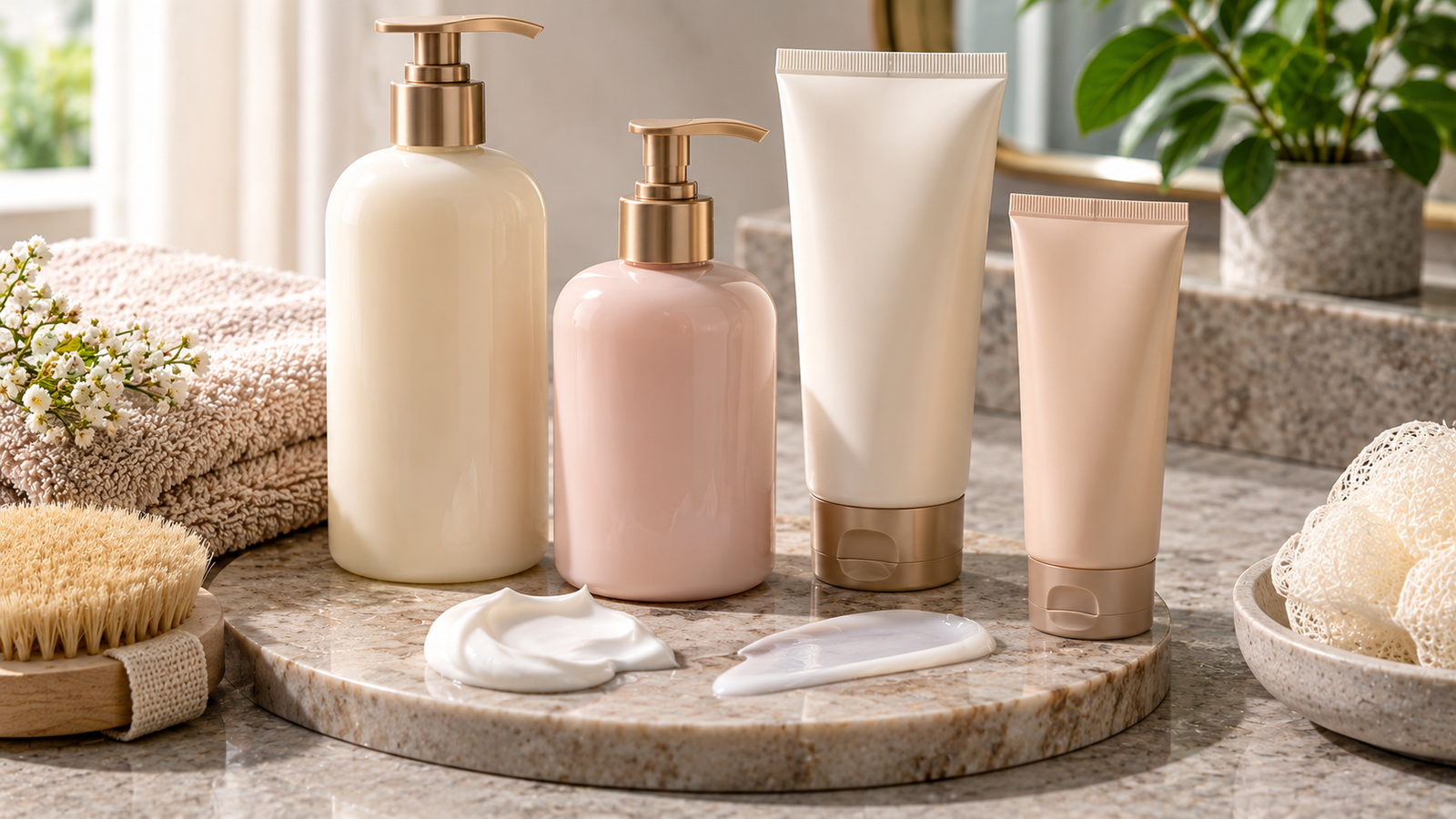
Pump Bottle vs Tube vs Jar
Pump Bottle
Advantages:
- convenient
- hygienic
- easy for daily use
Tube
Advantages:
- portable
- easy to control
- good for thicker creams
Jar
Advantages:
- works well for very thick formulas
Disadvantages:
- requires dipping fingers into the product
- less convenient for travel
Packaging matters less than formula quality, but convenience affects consistency.
A Simple Body-Care Routine for Dry Skin
You do not need a complicated routine.
A practical approach:
Morning
- shower if needed
- gentle cleanser
- body lotion
- sunscreen on exposed areas
Evening
- moisturise again if the skin feels dry
- use richer cream on rough areas
Consistency matters more than using many products.
When Dry Skin May Need Medical Attention
Seek appropriate professional evaluation if dryness is:
- severe
- painful
- cracked and bleeding
- persistently itchy
- associated with widespread rash
- not improving with basic care
Conditions such as eczema, psoriasis or other skin disorders may need more than over-the-counter moisturiser.
Frequently Asked Questions
What is the best body lotion for dry skin?
Look for a formula containing humectants such as glycerin plus emollient or occlusive ingredients such as ceramides, dimethicone or petrolatum.
What is best for sensitive skin?
A simple fragrance-free lotion or cream is often the safest starting point.
What is best for rough or bumpy skin?
Products containing urea, lactic acid or salicylic acid may help smooth rough texture when used appropriately.
Is body lotion better than body butter?
Neither is universally better. Lotion is lighter, while body butter is richer and more occlusive.
Should I use body lotion every day?
Daily use can be helpful if your skin is prone to dryness.
Can I use body lotion on my face?
Body lotions are formulated for body skin and may be heavier or more fragranced than facial products. A dedicated facial moisturiser is usually more appropriate.
Should I apply lotion immediately after showering?
Yes. Applying shortly after bathing while the skin is slightly damp can help reduce moisture loss.
Can exfoliating body lotion be used every day?
It depends on the ingredient concentration, formula and your skin tolerance. Follow the manufacturer’s directions and reduce use if irritation develops.
Final Takeaway
The best body lotion depends on the specific problem you are trying to solve.
Choose a lightweight lotion if you have mild dryness or prefer a fast-absorbing product.
Choose a richer cream if your skin is very dry, tight or flaky.
Choose a simple fragrance-free formula if your skin is sensitive.
Choose a product containing ingredients such as urea, lactic acid or salicylic acid if rough or bumpy texture is the main concern and your skin tolerates exfoliating ingredients.
For most people, the most important habits are:
- moisturising consistently
- applying lotion soon after bathing
- avoiding excessively hot showers
- using richer products only where needed
- not over-exfoliating rough skin
If you are comparing specific options, continue to our Top 5 Body Lotions in India guide, where we compare body lotions for dry, sensitive and rough skin across different textures and moisturising needs.