Why Sunscreen Pills Under Makeup and How to Troubleshoot It
You finish your morning skincare routine, apply sunscreen, and start blending your foundation. Suddenly, tiny flakes begin forming around your cheeks, nose or forehead.
Your sunscreen appears to be rubbing off in small rolls, making your makeup look uneven.
This frustrating problem is called sunscreen pilling, and it can happen even when you are using good-quality skincare products.
Pilling does not necessarily mean your sunscreen is defective or unsuitable for your skin. It can result from product layering, application technique, formulation differences and the condition of your skin.
Understanding why it happens can help you maintain a smoother makeup finish without compromising sun protection.
1. What Is Sunscreen Pilling?
Sunscreen pilling occurs when a product forms small visible rolls, flakes or crumbs on the skin during or after application.
You might notice:
- Small white or translucent flakes appearing while blending sunscreen.
- Foundation rolling into tiny particles over sunscreen.
- Products gathering around the nose, eyebrows or hairline.
- A patchy finish when primer is applied.
- Sunscreen lifting away when you rub your face.
These particles are generally associated with product material collecting and rolling on the skin’s surface.
Pilling should not automatically be confused with dry skin flakes or normal skin peeling.
Is sunscreen pilling common?
A 2024 study published in Skin Research and Technology examined skincare pilling in 528 adult women.
Researchers observed pilling in 217 participants during the tested application procedures.
The study also found that application technique and skin characteristics were associated with differences in pilling.
These findings help explain the phenomenon, although they do not establish that every sunscreen or makeup combination behaves identically.
2. Why Does Sunscreen Pill?
Several factors may contribute to sunscreen pilling.
Too many skincare layers
A complicated morning routine might include:
- Hydrating toner.
- Hyaluronic acid serum.
- Niacinamide serum.
- Gel moisturizer.
- Sunscreen.
- Makeup primer.
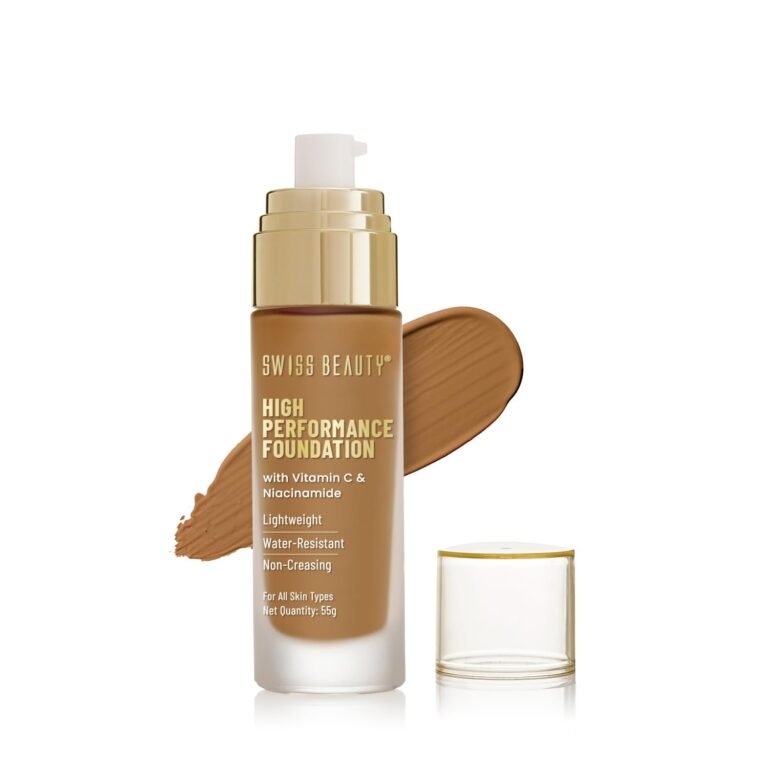
- Liquid foundation.
Each product introduces a different combination of ingredients and textures.
When multiple layers are applied, they may interact in ways that encourage product buildup or rolling.
This does not mean layering skincare products is inherently harmful.
However, simplifying your routine can make troubleshooting much easier.
Product formulation differences
Cosmetic products contain different mixtures of water, oils, silicones, thickeners, film-forming agents and other ingredients.
Some combinations may not layer smoothly.
For example, a particular silicone-rich primer may not work comfortably over a certain sunscreen formulation.
But there is no universal rule that water-based products cannot be used with silicone-based products.
The complete formulation matters more than any single ingredient label.
Excessive rubbing
Friction is another important factor.
Repeatedly rubbing sunscreen or foundation across your face can encourage product material to roll into visible particles.
The 2024 pilling study found that rubbing techniques were associated with more pilling events than some alternative application methods.
Skin dryness and surface characteristics
Skin condition may also affect how products behave.
In the same study, participants who experienced pilling under certain conditions had differences in skin hydration, oiliness, surface texture and pH.
This does not mean dry skin always causes sunscreen pilling.
It means the skin surface itself can influence product application.
3. Does Applying Too Much Sunscreen Cause Pilling?
Applying a large amount of sunscreen all at once can sometimes make spreading and layering more difficult.
However, reducing sunscreen below the amount needed for adequate protection is not a good solution.
Sunscreen SPF testing is performed using a defined application amount. Applying substantially less than that amount can reduce the protection achieved.
The American Academy of Dermatology recommends choosing a broad-spectrum sunscreen with SPF 30 or higher.
For exposed skin, sufficient and even application is important.
A better approach
If your sunscreen is difficult to spread evenly:
- Apply the appropriate amount in manageable sections.
- Distribute it gently across the intended area.
- Avoid repeatedly rubbing the same spot.
- Follow the manufacturer’s application instructions.
- Allow the sunscreen film to settle before adding makeup.
Dividing the application into smaller sections may make coverage easier, but it should not reduce the total quantity required.
If a sunscreen consistently pills when applied at the proper amount, consider a different formulation rather than underapplying it.
4. How Long Should You Wait Before Applying Makeup?
One common suggestion is to wait several minutes between sunscreen and makeup.
A short settling period may help some products layer more comfortably.
However, there is no scientifically established universal waiting time that prevents pilling for every sunscreen and foundation combination.
Practical application sequence
Step 1: Finish cleansing and any necessary moisturizing steps.
Step 2: Allow the moisturizer to settle enough that your face no longer feels excessively wet or slippery.
Step 3: Apply sunscreen thoroughly and evenly.
Step 4: Follow the sunscreen’s directions, including any recommended time before sun exposure.
Step 5: Once the sunscreen has settled, apply makeup gently.
If your sunscreen label instructs you to apply it 15 minutes before sun exposure, follow that guidance.
Waiting between products may help the makeup finish, but it does not substitute for sufficient sunscreen application.
5. Sunscreen Before or After Primer?
For a typical skincare and makeup routine, sunscreen should be applied before conventional makeup primer.
A practical sequence is:
| Step | Product | Purpose |
|---|---|---|
| 1 | Gentle cleanser | Cleans the skin |
| 2 | Optional serum | Addresses a chosen skincare goal |
| 3 | Moisturizer | Supports hydration and comfort |
| 4 | Sunscreen | Provides UV protection |
| 5 | Makeup primer | Prepares the surface for makeup |
| 6 | Foundation | Provides cosmetic coverage |
If your sunscreen consistently pills beneath primer, try temporarily omitting the primer.
Some sunscreen formulations provide a sufficiently smooth base for foundation without another layer.
You may also need to reconsider your moisturizer or foundation combination.
Avoid mixing sunscreen directly into primer, foundation or moisturizer unless the product manufacturer specifically instructs you to do so.
Mixing products can alter sunscreen application and make reliable coverage difficult.
6. Why Does Sunscreen Pill Under Foundation?
Foundation introduces another layer that can interact with sunscreen.
Pilling may occur because of:
- Repeated blending movements.
- Too much friction during makeup application.
- A combination of products that does not layer smoothly.
- Product buildup around textured areas.
- Skin surface dryness or an uneven underlying layer.
Interestingly, the 2024 study observed that foundation reduced visible sunscreen-induced pilling in many of its tested conditions.
This demonstrates why the issue cannot always be explained by simply blaming foundation.
The result depends on the products, the skin and the method of application.
How to apply foundation more gently
Try distributing small amounts of foundation across the face and blending with minimal friction.
A soft makeup sponge or gentle pressing technique may be preferable to aggressive circular rubbing for some product combinations.
Avoid repeatedly dragging tools across the same area.
When applying foundation over sunscreen, the priority is to avoid unnecessarily disturbing the sunscreen layer.
7. Does Mineral Sunscreen Pill More Than Chemical Sunscreen?
Mineral sunscreens commonly use zinc oxide, titanium dioxide or both as UV filters.
Other sunscreen formulations use different approved UV filters or combinations of filters.
It is tempting to assume that mineral sunscreens always pill more because they contain particulate ingredients.
However, sunscreen type alone cannot reliably predict pilling.
The entire formulation influences application properties, including:
- Powder and pigment dispersion.
- Film-forming ingredients.
- Emollients and silicones.
- Product viscosity.
- Compatibility with other skincare layers.
A well-formulated mineral sunscreen may layer smoothly.
Likewise, a sunscreen using organic UV filters can still pill when combined with certain moisturizers or makeup products.
Choose sunscreen based on appropriate UV protection, skin tolerance and your ability to apply it consistently—not solely on whether it is marketed as mineral or chemical.
8. How to Stop Sunscreen Pilling: A Practical Troubleshooting Method
Instead of replacing your entire skincare routine, identify which step is creating the problem.
Test 1: Apply sunscreen on clean skin
On a suitable day, follow the directions for your sunscreen and try applying it without your usual serum, moisturizer or primer, provided omitting those products is comfortable and appropriate for your skin.
If the sunscreen applies smoothly, another layer may be contributing to the issue.
If pilling continues, the sunscreen formulation, skin surface or application technique may be involved.
Test 2: Reintroduce moisturizer
On another day, apply your usual moisturizer before sunscreen.
Observe whether pilling develops.
If it does, try adjusting the moisturizer amount, allowing it to settle, or using a different appropriate formulation.
Test 3: Test your primer separately
Apply sunscreen and then primer, without foundation.
If flakes appear during the primer step, that combination may be unsuitable.
Consider omitting primer if your makeup performs adequately without it.
Test 4: Test foundation with gentle application
Apply foundation over properly settled sunscreen using light pressing movements.
If pilling appears only with repeated blending, reduce friction.
Test 5: Evaluate the sunscreen itself
If the sunscreen repeatedly pills when used correctly with a minimal routine, consider switching to a different broad-spectrum product.
Do not sacrifice adequate sunscreen coverage simply to make the formulation look smoother.
9. Can You Fix Pilling Without Removing Your Sunscreen?
Minor cosmetic pilling may sometimes be improved by carefully removing loose particles without excessive rubbing.
However, there is an important limitation.
If sunscreen visibly rolls off or is disturbed, you cannot assume that the remaining layer provides even protection.
If significant pilling occurs, the safer approach is to remove the affected makeup and sunscreen and reapply sunscreen properly before rebuilding the makeup layer.
Avoid trying to solve the problem by brushing away large amounts of sunscreen residue and assuming protection remains unchanged.
10. Sunscreen Reapplication Over Makeup
Preventing pilling during the morning routine is only part of sun protection.
Sunscreen also needs appropriate reapplication.
The American Academy of Dermatology recommends reapplying approximately every two hours when outdoors and after swimming or sweating, according to the product’s directions.
What if you are wearing foundation?
You may need to adjust your makeup routine to make adequate sunscreen reapplication possible.
Consider:
- Gently removing excess oil before reapplication.
- Using an appropriate sunscreen format that can be applied at the required amount.
- Reapplying foundation afterward if desired.
- Choosing makeup that is easier to refresh during the day.
Sunscreen powders, sprays and cosmetic SPF products may be convenient, but they should not automatically be assumed to provide full labeled protection when applied in small cosmetic amounts.
11. Common Sunscreen Pilling Mistakes
Mistake 1: Using less sunscreen to avoid flakes
This may compromise UV protection.
Choose a more workable sunscreen formula instead.
Mistake 2: Applying every skincare product at once
A complex routine can make identifying the problem more difficult.
Use only the layers your skin needs.
Mistake 3: Rubbing foundation aggressively
Excessive friction can disturb previously applied products.
Use gentler blending techniques.
Mistake 4: Assuming expensive sunscreen cannot pill
Price does not guarantee compatibility with other skincare or makeup products.
Mistake 5: Blaming one specific ingredient
A single ingredient rarely explains every layering problem.
The complete formula and application method are important.
Mistake 6: Treating pilling as proof of an allergic reaction
Pilling is primarily a product-application phenomenon.
Burning, itching, persistent redness, swelling or a rash are different concerns that may indicate irritation or another skin reaction.
Stop using a suspected irritant and seek appropriate medical advice if symptoms are significant or persistent.
12. Frequently Asked Questions
Why does my sunscreen pill even without makeup?
Possible reasons include the sunscreen’s formulation, how it interacts with your skin, the amount applied and rubbing during application.
Try applying it according to the label on clean skin and evaluate whether the problem continues.
Can hyaluronic acid serum cause sunscreen pilling?
A particular serum and sunscreen combination may pill, but hyaluronic acid itself is not universally responsible.
Check the complete products and how they are layered.
Should I skip moisturizer before sunscreen?
Not necessarily.
If your sunscreen already provides sufficient moisturization for your skin, an additional moisturizer may be optional.
People with dry skin may still benefit from a separate moisturizer.
Does sunscreen pilling mean it is not working?
Not automatically. However, visibly displaced sunscreen can create uncertainty about even coverage.
If significant pilling occurs, remove the disturbed product and reapply sunscreen properly.
Can I use a makeup sponge over sunscreen?
Yes, but apply makeup gently and avoid repeatedly rubbing or lifting the sunscreen film.
A makeup sponge is not guaranteed to prevent pilling in every situation.
Should I choose gel sunscreen for oily skin?
A lightweight gel or fluid may feel comfortable on oily skin, but the full formulation and your preferences matter.
Gel sunscreens are not universally free from pilling.
Can primer replace moisturizer or sunscreen?
A conventional makeup primer is not a replacement for sunscreen.
Whether it can provide sufficient moisturization depends on the specific formulation and your skin’s needs.
13. Final Takeaway
Sunscreen pilling is usually a product-layering or application issue rather than proof that your sunscreen is low quality.
The most useful troubleshooting approach is to simplify your morning routine, test products individually and reduce excessive rubbing.
Never solve sunscreen pilling by deliberately applying too little sunscreen.
Instead, select a comfortable broad-spectrum formulation that allows you to apply the required quantity consistently.
Smooth makeup is desirable, but maintaining reliable sun protection should remain the priority.
References and Further Reading
- Lua et al. (2024). Understanding the Causes of Skincare Product Pilling. Skin Research and Technology, 30(8).
- American Academy of Dermatology — How to Select a Sunscreen
- American Academy of Dermatology — Sunscreen FAQs
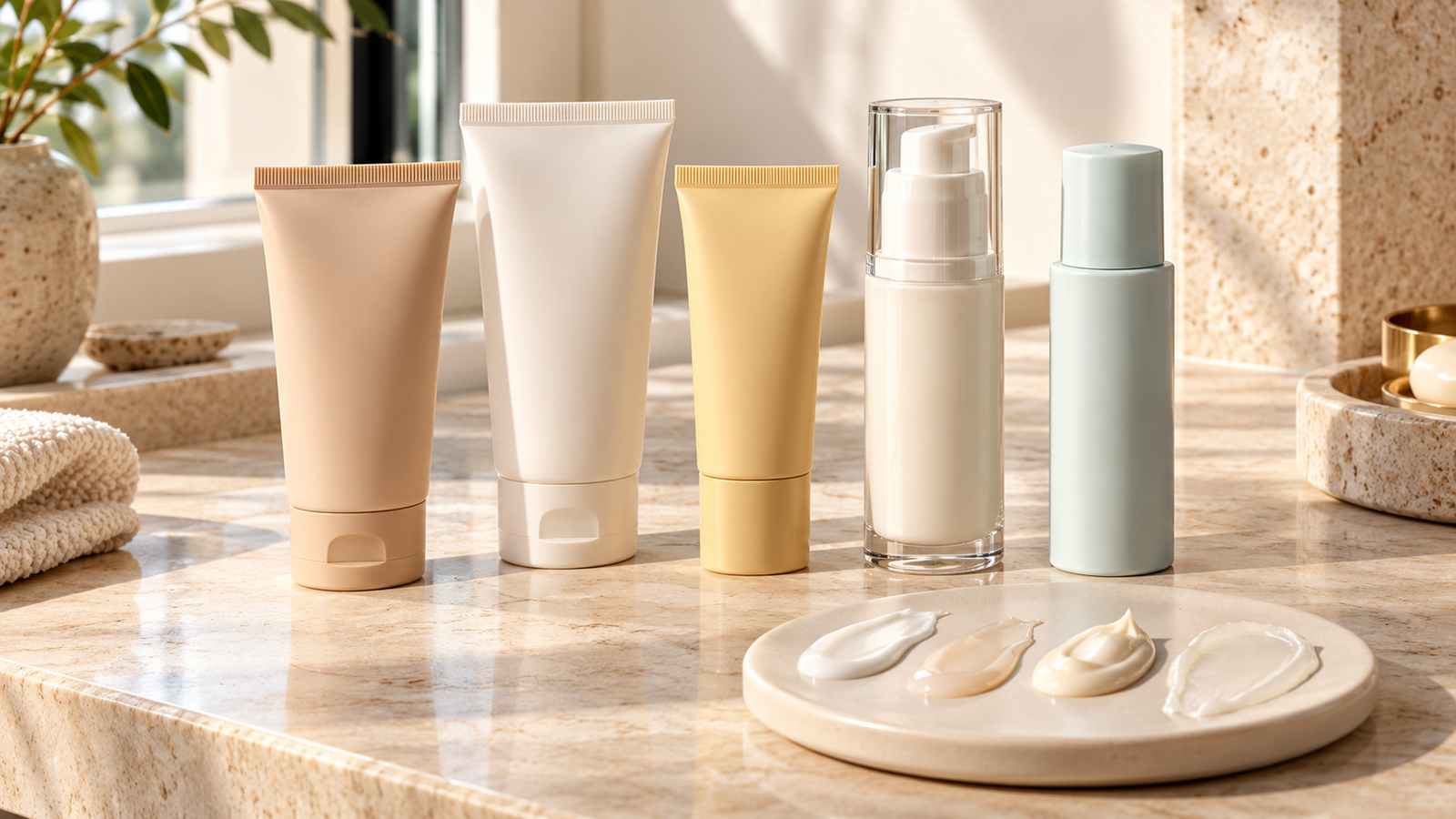
Editorial note: This article is for general skincare education and does not represent independent testing of specific sunscreen or makeup products. The featured image is illustrative. Individual product suitability and application instructions may vary.