Wash-Off vs Leave-On Skincare Actives: Why Contact Time Matters
You buy a face wash containing 2% salicylic acid. A few days later, you discover a serum containing the same 2% salicylic acid.
Both products highlight the same active ingredient and concentration. But do they actually work the same way?
Not necessarily. The amount of time an ingredient remains on your skin can influence its effects, tolerability and intended use.
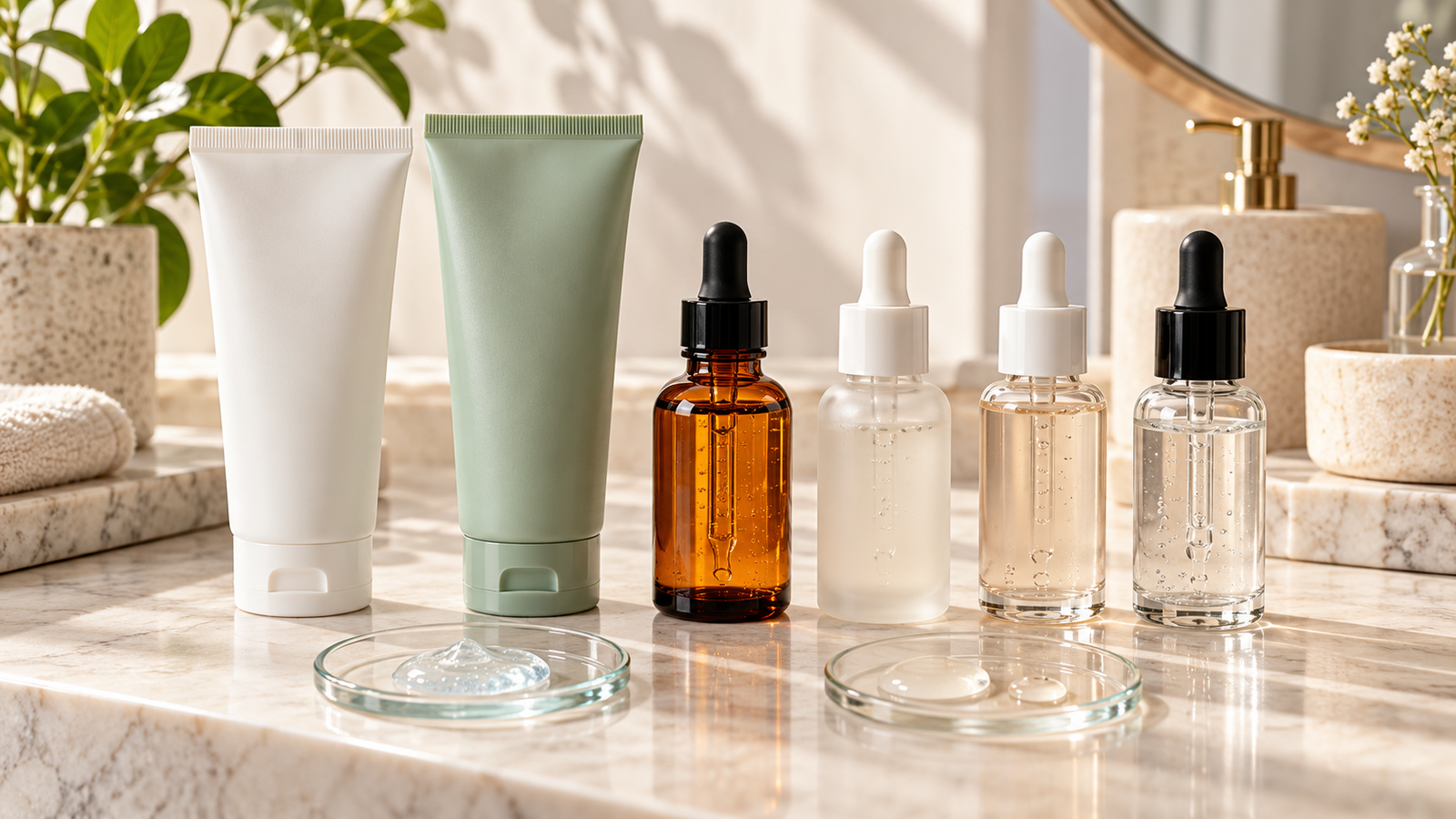
A face wash is designed to be rinsed away, while a leave-on serum remains on the skin after application.
However, contact time is only one part of the story. Ingredient concentration, pH, formulation, application frequency and individual skin sensitivity also matter.
Understanding these differences can help you choose skincare products more carefully and avoid unnecessary irritation.
1. What Are Wash-Off and Leave-On Skincare Products?
Skincare products can be divided into two broad categories based on how they are intended to be used.
Wash-off skincare products
Wash-off products are designed to be removed after a relatively short period of contact with the skin.
Common examples include:
- Facial cleansers
- Medicated face washes
- Rinse-off exfoliating masks
- Some acne-treatment cleansers
- Shampoos and cleansing treatments
Their primary purpose may be cleansing, but some also contain active ingredients intended to provide additional benefits.
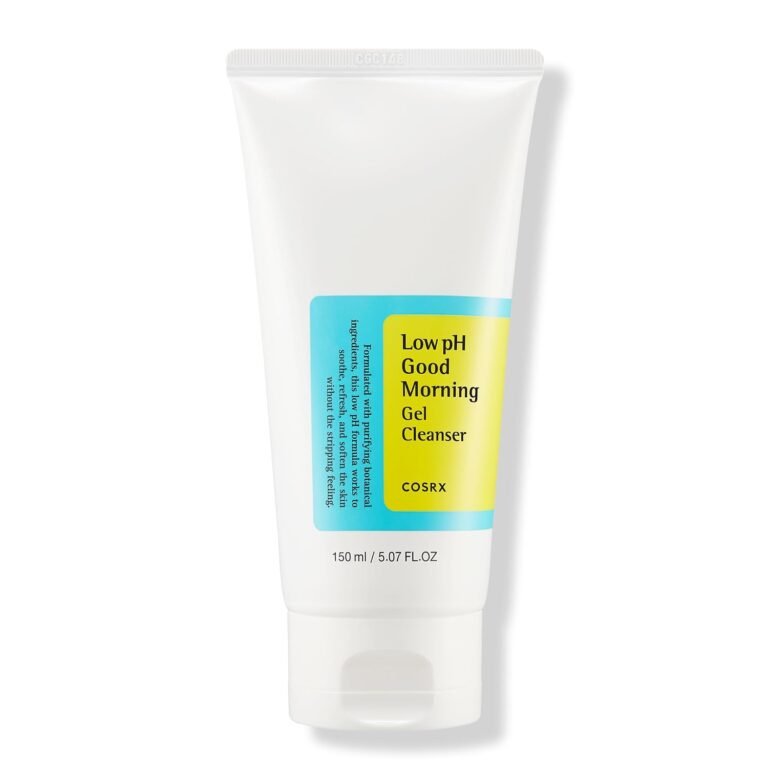
For example, a salicylic acid face wash combines cleansing ingredients with salicylic acid.
Leave-on skincare products
Leave-on products are designed to remain on the skin rather than being rinsed away immediately.
Examples include:
- Face serums
- Moisturizers
- Treatment creams
- Leave-on exfoliants
- Some acne medications
- Hydrating lotions
These formulations allow ingredients to remain in contact with the skin for longer.
However, longer exposure is not automatically better.
A product should always be used according to its intended application method.
2. Why Does Contact Time Matter?
Contact time refers to how long a product remains in contact with your skin before it is removed.
Consider two hypothetical products:
Product A: A salicylic acid cleanser applied briefly and rinsed away.
Product B: A salicylic acid serum applied after cleansing and left on the skin.
Even if both list the same percentage of salicylic acid, the amount of ingredient available to interact with the skin may differ.
This happens because topical delivery depends on several factors.
Ingredient availability
An ingredient must be available within the formulation to interact with the skin.
A rinse-off product may remove much of the formula during washing, although some ingredient exposure can occur before rinsing.
Formulation characteristics
Different formulations contain different combinations of solvents, emulsifiers, thickeners and other ingredients.
These can influence how ingredients are delivered.
Skin characteristics
Skin condition, hydration and barrier integrity may affect how a product behaves.
Irritated or damaged skin may respond differently from healthy skin.
Exposure duration
A product remaining on the skin may provide a longer opportunity for ingredient interaction.
But contact time alone cannot establish which product will be more effective.
A well-formulated rinse-off treatment may be useful, while a poorly tolerated leave-on product may cause unnecessary dryness.
3. Salicylic Acid Face Wash vs Salicylic Acid Serum
Salicylic acid is a beta-hydroxy acid commonly used in acne-related skincare.
It has keratolytic and comedolytic properties, meaning it can help influence the shedding of skin cells and the formation of clogged pores.
In the United States, the FDA’s over-the-counter acne monograph recognizes salicylic acid concentrations of 0.5% to 2% for qualifying acne-treatment products.
However, product claims and regulatory requirements may differ by country.
How a salicylic acid face wash works
A salicylic acid cleanser typically combines cleansing agents with the active ingredient.
During washing, the formula contacts the skin while helping remove oil, dirt and surface residue.
The product is then rinsed away.
Its tolerability and effect depend on the formulation and how it is used.
How a salicylic acid serum works
A leave-on salicylic acid serum is formulated to remain on the skin after application.
Because it is not immediately washed away, the ingredient may have a different exposure profile.
However, this does not mean the serum is automatically more suitable or effective for every person.
Key differences
| Feature | Salicylic acid face wash | Salicylic acid serum |
|---|---|---|
| Product format | Rinse-off cleanser | Leave-on treatment |
| Contact duration | Shorter | Generally longer |
| Primary routine step | Cleansing | Treatment |
| Additional function | Removes surface dirt and oil | Depends on treatment formulation |
| Irritation potential | Possible | Possible |
| Application frequency | Follow product directions | Follow product directions |
Both formats can contribute to a skincare routine, but they should not be treated as interchangeable simply because their ingredient percentages match.
4. Does 2% Salicylic Acid Mean the Same Thing in Every Product?
No.
A concentration of 2% indicates how much salicylic acid is present in the product formulation.
It does not independently tell you how much reaches a particular part of the skin or how effectively the final product performs.
Several factors are relevant.
The product’s pH
The pH of a skincare formulation can influence the chemical form and availability of certain acids.
However, consumers cannot reliably determine performance from the ingredient percentage and pH alone.
The delivery system
Serums, gels, creams and cleansers have different formulation characteristics.
The way an ingredient is incorporated can influence its availability and stability.
Other ingredients
Moisturizing agents, surfactants, solvents and other formulation components can change how a product feels and behaves.
Individual tolerance
A product that feels comfortable for one person may cause dryness or irritation for another.
The most important lesson is that identical active-ingredient percentages do not guarantee identical performance or skin tolerance.
5. Should You Leave Salicylic Acid Face Wash on Your Skin Longer?
Not unless the manufacturer specifically instructs you to do so.
A common skincare suggestion is to leave medicated cleansers on the face for an extra minute or two to make them more effective.
However, there is no universal contact-time recommendation that applies to every salicylic acid cleanser.
Different products may have different instructions.
Leaving a rinse-off cleanser on longer than recommended can increase exposure to cleansing agents and potentially worsen irritation or dryness.
A safer application method
- Wet your face if the product instructions require it.
- Apply the recommended amount of cleanser.
- Massage gently using your fingertips.
- Follow any stated contact-time directions.
- Rinse thoroughly.
- Pat your skin dry.
- Apply a suitable moisturizer.
Do not turn a regular face wash into a leave-on mask unless the product is specifically intended for that purpose.
6. Are Leave-On Actives Always Stronger?
No.
It is tempting to think that a longer application automatically produces a stronger effect.
However, different skincare ingredients have different mechanisms of action.
Some rinse-off products are formulated to provide benefits during short contact periods.
Other products are designed for continued exposure.
The outcome depends on the active ingredient, concentration, formulation and intended use.
Example: Benzoyl peroxide
Benzoyl peroxide is another ingredient used in acne treatment.
It is available in both wash-off and leave-on preparations.
Some people may prefer a wash-off format because it fits their routine or is better tolerated, but neither format guarantees freedom from irritation.
Benzoyl peroxide can also bleach fabrics, towels and clothing.
Example: Hydrating cleansers
A cleanser containing glycerin or other moisturizing ingredients may help reduce the tight feeling associated with washing.
This does not mean it replaces a moisturizer when your skin needs additional hydration.
Example: Treatment serums
A leave-on serum may contain ingredients intended for extended contact with the skin.
But keeping a poorly tolerated treatment on your face longer does not guarantee better results.
7. Salicylic Acid vs Alpha Arbutin: Why Ingredient Purpose Matters
Contact time should not be considered separately from ingredient function.
For example, salicylic acid and alpha arbutin are frequently included in face serums, but they serve different skincare purposes.
Salicylic acid
Salicylic acid is commonly used in products intended to address clogged pores and acne-related concerns.
It works through mechanisms associated with skin-cell shedding and comedone formation.
Alpha arbutin
Alpha arbutin is used in cosmetic products targeting the appearance of uneven skin tone and pigmentation.
It is not an exfoliating acid like salicylic acid, despite the word “acid” appearing in discussions of other treatment ingredients.
Vitamin C
Vitamin C and its derivatives are frequently used in formulas intended to address uneven-looking tone and provide antioxidant benefits.
Their effects depend on the specific form and finished formulation.
Niacinamide
Niacinamide is commonly used for barrier-support, hydration and uneven-looking skin-tone concerns.
These ingredients should not be selected simply because one is marketed as stronger than another.
Their intended purposes differ.
8. Can You Use a Salicylic Acid Face Wash and Serum Together?
Some people may tolerate using both products, but combining them can increase cumulative exposure and the risk of irritation.
Using a salicylic acid cleanser followed immediately by a salicylic acid serum is not automatically necessary.
The same concern applies when layering multiple potentially irritating treatments.
For example:
- Salicylic acid cleanser plus salicylic acid serum
- Salicylic acid serum plus another exfoliating acid
- Exfoliating cleanser plus a topical retinoid
- Multiple acne-treatment products in the same routine
These combinations are not universally prohibited, but they require attention to product instructions and skin tolerance.
DermNet advises caution when combining salicylic acid preparations with other potentially irritating topical treatments.
What if your skin becomes dry?
Consider reducing or stopping the suspected irritating product.
Keep the rest of your routine gentle and use a suitable moisturizer.
If irritation is significant or persistent, seek advice from a dermatologist rather than continuing to add more treatments.
9. How to Choose Between Wash-Off and Leave-On Actives
Start with the skincare concern you want to address.
For a simple cleansing routine
A gentle cleanser may be sufficient.
You do not need an exfoliating active in every face wash.
For occasional clogged pores
A salicylic acid product may be worth considering if appropriate for your skin.
The choice between wash-off and leave-on formats depends on tolerability, convenience and the manufacturer’s directions.
For easily irritated skin
A gentle cleanser and moisturizer may be a better starting point than introducing several active ingredients together.
For persistent acne
Over-the-counter products may help some cases, but persistent, painful, scarring or widespread acne may need professional treatment.
The 2024 American Academy of Dermatology acne guidelines conditionally recommend salicylic acid, while several other acne treatments have stronger supporting evidence.
Do not assume that a higher-priced leave-on serum is automatically the better choice.
The most appropriate format is the one that addresses your concern without creating unnecessary irritation.
10. Building a Routine Without Overusing Actives
A routine does not need multiple exfoliating products to be effective.
Example morning routine
- Gentle cleanser.
- Optional well-tolerated treatment.
- Moisturizer.
- Broad-spectrum sunscreen, SPF 30 or higher.
Example evening routine
- Gentle cleanser.
- One appropriate leave-on treatment, if needed.
- Moisturizer.
For someone already using an exfoliating cleanser, adding a leave-on exfoliant should be a considered decision rather than an automatic step.
Introduce new products separately so that any irritation can be identified more easily.
Follow the manufacturer’s instructions regarding application frequency and usage.
11. Signs You May Be Overusing Active Ingredients
Your skin can become irritated when exposed to combinations or amounts of products it does not tolerate.
Possible warning signs include:
- Persistent burning or stinging
- Increasing redness
- Unusual dryness
- Flaking or peeling
- Tightness after cleansing
- Itching or discomfort
- Increased sensitivity to products that previously felt comfortable
These symptoms are not proof that a treatment is working.
Do not assume that burning or peeling is necessary for effective exfoliation.
If symptoms develop, stop the suspected irritant and simplify your routine.
Seek medical attention for severe swelling, blistering, significant pain or other concerning reactions.
12. Common Myths About Contact Time
Myth 1: The longer you leave an acid cleanser on, the better it works
Reality: Longer contact is not automatically beneficial. Follow the product’s directions.
Myth 2: A 2% salicylic acid cleanser is identical to a 2% serum
Reality: Formulation, exposure and intended use can differ substantially.
Myth 3: Leave-on serums are always more effective
Reality: Effectiveness depends on the ingredient, formulation, concern being addressed and available clinical evidence.
Myth 4: Rinse-off ingredients have no effect
Reality: Some rinse-off treatments can be useful during their intended contact period.
Myth 5: Skin irritation means an active ingredient is working
Reality: Irritation can indicate poor tolerability or excessive exposure. It should not be treated as a required sign of effectiveness.
13. Frequently Asked Questions
Can I use salicylic acid face wash every day?
Some products are intended for daily use, but suitability depends on the formulation, label directions and your skin’s tolerance. Reduce use or stop if irritation develops.
Is a salicylic acid serum better than a face wash for blackheads?
Not necessarily. Both formats may be used for acne-related concerns. Results depend on the product and individual response, and direct comparisons between specific formulas may be limited.
How long should I leave a salicylic acid cleanser on?
Follow the manufacturer’s instructions. There is no universally correct contact time for all salicylic acid cleansers.
Can I use alpha arbutin after a salicylic acid face wash?
Some routines include both ingredients, but compatibility depends on the specific products and skin tolerance. Introduce them separately and avoid continuing combinations that cause irritation.
Is a leave-on exfoliant necessary if I already use an exfoliating cleanser?
No. Additional exfoliation is not automatically beneficial. Consider whether your current routine is addressing your needs before adding another active treatment.
Why does my skin feel tight after using an active face wash?
Tightness can result from cleansing effects, dryness or irritation. A gentler cleanser, lower frequency or suitable moisturizer may help. Persistent discomfort deserves professional assessment.
Can I use salicylic acid with retinol?
Some dermatologists recommend routines containing both, but combining potentially irritating treatments may increase dryness and irritation. Ask a dermatologist for guidance if you use prescription retinoids or have sensitive skin.
How long does salicylic acid take to improve acne?
Visible improvement generally takes time, and results vary. The American Academy of Dermatology advises giving acne treatments several weeks to months rather than frequently switching products.
14. Final Takeaway
Wash-off and leave-on skincare products may contain the same ingredients, but they are not necessarily equivalent.
Contact time, formulation, concentration, skin condition and application frequency all influence how a product behaves.
A salicylic acid face wash is not automatically weaker than a salicylic acid serum, and a leave-on formula is not automatically the better choice.
Instead of selecting products solely by active-ingredient percentages, consider what each product is designed to do and whether your skin tolerates it.
A simple routine built around one appropriate treatment can be more practical than layering several exfoliating products without a clear purpose.
References and Further Reading
- American Academy of Dermatology — Guidelines of Care for the Management of Acne Vulgaris (2024)
- DermNet — Salicylic Acid
- American Academy of Dermatology — Acne: Tips for Managing
- U.S. FDA — Over-the-Counter Topical Acne Drug Products
Editorial note: This article provides general skincare education and does not constitute individualized medical advice. No products were independently tested for this article. Product-specific instructions and professional guidance should take priority when applicable.