Moisturizer Jar Hygiene: Clean Hands, Storage and Product Changes
A moisturizer is one of the simplest products in a skincare routine. You open the container, take out the amount you need, apply it to your skin and close the packaging.
But the way you handle a moisturizer can affect how well the product stays in its intended condition over time.
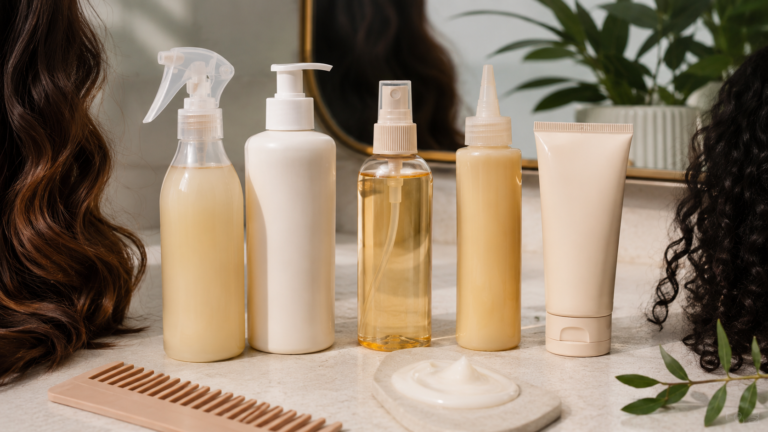
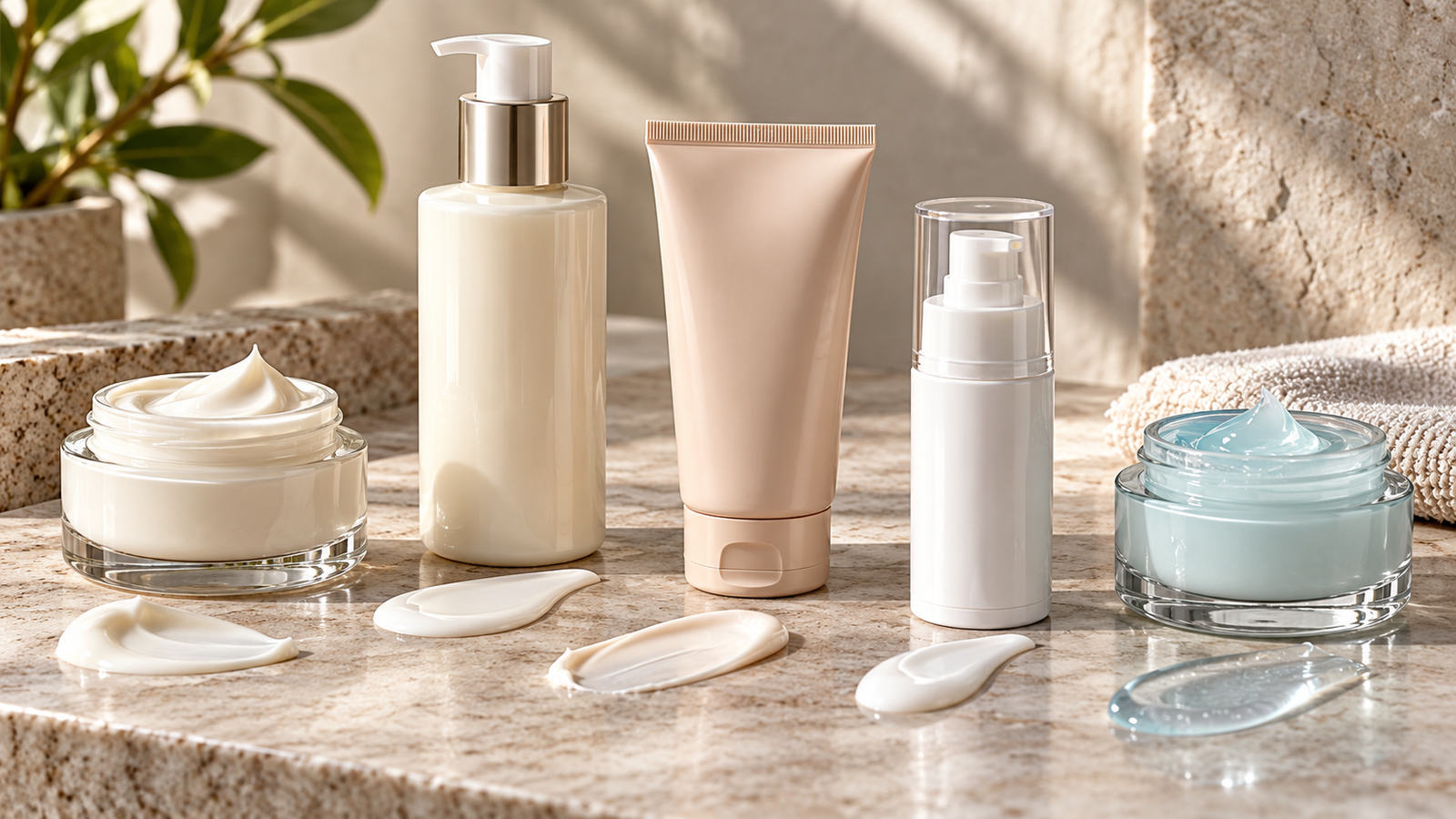
Face creams often come in wide-mouth jars, while hydrating lotions and lightweight moisturizers may come in pump bottles or squeeze tubes. Each type of packaging has practical advantages, but each also needs appropriate handling.
For example, repeatedly dipping unwashed fingers into a moisturizer jar can introduce microorganisms. Leaving the lid open in a humid bathroom, storing a bottle in excessive heat or mixing water into a cream can create additional problems.
This does not mean that jar moisturizers are inherently unsafe or that pump bottles are completely protected from contamination.
It means that clean handling, suitable storage and attention to product changes are important for every moisturizer format.
This guide explains how to use moisturizer jars hygienically, when a clean spatula is helpful, how to maintain pumps and tubes, what changes to watch for, and when an older product should be replaced.
Why Moisturizer Packaging and Repeated Handling Matter
Most moisturizers contain a combination of ingredients designed to help maintain skin hydration and reduce moisture loss.
Depending on the formulation, these may include water, oils, humectants, emollients, occlusive ingredients, preservatives and texture-modifying agents.
The combination determines how the moisturizer looks, spreads and feels on the skin.
Many conventional water-containing moisturizers also include preservation systems designed to help control microbial contamination during their intended shelf life.
However, preservatives do not make a product immune to every possible storage or handling problem.
The US Food and Drug Administration identifies consumer handling, including dipping fingers into containers, as one possible source of microorganisms in cosmetics.
Additional factors include packaging, manufacturing conditions and unsuitable storage environments.
What happens when fingers enter a moisturizer jar?
Hands naturally carry microorganisms, even when they appear clean.
When fingers come into contact with a cream, some of those microorganisms may be transferred to the product.
Repeated handling increases the opportunities for contamination.
Whether contamination becomes a meaningful problem depends on the formulation, preservation system, packaging and other conditions.
It would be inaccurate to assume that every jar becomes unsafe after a certain number of uses.
But reducing unnecessary contact with the product is a practical precaution.
Are pump moisturizers automatically safer?
Pump bottles may reduce direct contact between fingers and the bulk of the product.
This can make them convenient for frequently used moisturizers, particularly when several people might otherwise handle the same container.
However, pump nozzles can still become dirty. Packaging can leak, and a defective closure may expose the product to unwanted conditions.
A pump is a helpful packaging feature, not a guarantee that a moisturizer cannot become contaminated.
Why formulation quality still matters
The package is only one part of product safety.
The manufacturer’s formulation, stability testing, preservation system and quality-control procedures are also important.
A well-formulated jar cream used hygienically may remain suitable throughout its intended period of use.
Conversely, a poorly stored product in a pump bottle can still deteriorate.
The useful habit is to handle the packaging correctly rather than judge safety from packaging style alone.
Clean Hands and Spatulas: A Realistic Moisturizer Routine
Good moisturizer hygiene does not require an elaborate collection of skincare tools.
A consistent, simple approach is usually sufficient.
Step 1: Wash and dry your hands
Before applying skincare, wash your hands with soap and water, particularly after handling phones, money, door handles or other frequently touched surfaces.
Dry them using a clean towel.
This helps reduce the amount of dirt and microorganisms transferred to your face or moisturizer container.
Avoid opening a cream jar immediately after handling unclean objects.
Step 2: Use a clean applicator when practical
If your moisturizer comes in a wide-mouth jar, a clean spatula or small dedicated spoon can reduce repeated finger contact with the contents.
The NHS recommends using a clean spoon or spatula when taking emollients from pots or tubs.
For an everyday cosmetic face cream, this is a practical precaution rather than proof that direct finger contact will necessarily cause an infection.
Choose an applicator with a smooth surface that is easy to clean.
Avoid objects with rough edges that could damage the packaging or leave material inside the moisturizer.
Step 3: Take out only the amount needed
Use the applicator to remove the quantity you intend to apply.
Transfer it to clean fingertips or your palm, then apply it as directed.
Do not repeatedly move unused product between your hands and the jar.
Once cream has been removed and exposed to your skin or other surfaces, avoid returning the remainder to the container.
This reduces unnecessary contact between used product and the unused contents.
Step 4: Clean and dry the applicator
After use, wash a reusable spatula according to its material and manufacturer’s care instructions.
Allow it to dry completely before storing it in a clean location.
Do not leave a damp spatula sitting inside the cream unless the product manufacturer specifically designed and instructed it for that purpose.
A clean applicator can be helpful; a neglected applicator can introduce its own hygiene problems.
Step 5: Close the jar properly
Replace the lid promptly after dispensing the moisturizer.
Make sure the container is closed securely without forcing or damaging the threads.
Do not leave the jar open throughout your entire skincare routine.
Closing the product after use helps limit exposure to dust, moisture and accidental contamination.
How to Keep Jar Lids, Pumps and Tube Openings Clean
Different containers need slightly different care.
There is no universal rule that one type of package is always the best choice for every product.
Instead, understand how to maintain the type you already use.
Wide-mouth moisturizer jars
Jars make it easy to access thicker creams and observe how much product remains.
They may also make it easier to remove the last portion without cutting or squeezing the package.
The main hygiene consideration is that the cream’s exposed surface can come into direct contact with fingers or applicators.
To use jars more carefully:
- Keep hands and applicators clean.
- Avoid touching the inner lid or product with unclean surfaces.
- Close the jar promptly after use.
- Keep the lid and outer rim free of accumulated product residue.
If residue collects around the outer rim, wipe it carefully with a clean, dry tissue or cloth.
Avoid pushing dirt or cleaning liquid into the cream.
Pump bottles
Pump packaging is convenient for body lotions and everyday face moisturizers.
It allows product to be dispensed without repeatedly opening the main container.
However, lotion residue can accumulate around the nozzle.
Wipe the outside of the dispenser when necessary, taking care not to introduce water or cleaning chemicals into the product.
Avoid touching the nozzle directly against inflamed, irritated or unclean skin.
If the pump becomes blocked, follow the manufacturer’s instructions rather than inserting sharp objects or adding water to the lotion.
Squeeze tubes
Tubes often work well for creams and lotions because they allow controlled dispensing.
Keep the opening clean and close the cap after use.
Avoid pressing the nozzle directly against the skin if that could transfer material back onto the opening.
If the cap cracks, the tube begins leaking or the seal becomes unreliable, consider whether the product can still be stored according to its instructions.
Do not assume that a damaged package can protect the contents adequately.
Airless pump packaging
Some skincare products use airless dispensing systems designed to limit product exposure during normal use.
These systems may offer packaging advantages, but performance depends on the specific design.
An airless label does not establish that the formula never deteriorates or that expiry dates can be ignored.
Avoid trying to dismantle or refill such containers unless the product is specifically designed for refilling.
Bathroom Humidity, Heat and Moisturizer Storage
Bathrooms are convenient places to keep skincare products, but their conditions can vary substantially.
A well-ventilated cabinet away from direct sunlight may be suitable for many moisturizers.
A shelf beside a hot shower or a window receiving strong sunlight may be less appropriate.
Why moisture matters
Warm, damp environments may make it easier for some microorganisms to grow if they enter a cosmetic product.
Moisture can also accumulate on lids and around dispensing areas.
For this reason, try to prevent shower water, splashes and condensation from entering moisturizer containers.
Do not store an open jar where it may be exposed to water droplets.
If you notice water has entered the cream, do not simply stir it back into the product.
Can you keep moisturizer beside the sink?
Yes, provided the storage conditions suit the manufacturer’s instructions and the product is protected from splashes, excessive heat and unnecessary moisture.
Keep it on a clean, stable surface where the package is unlikely to fall into water.
A closed cabinet may offer better protection than an exposed shelf in some bathrooms.
Is refrigeration necessary?
Most conventional moisturizers do not require refrigeration unless the manufacturer specifically recommends it.
Cool storage can feel pleasant for certain products, but keeping a moisturizer in the refrigerator does not automatically extend its approved shelf life.
Some formulations may also be sensitive to unusually low temperatures or repeated temperature changes.
Follow the product label rather than assuming colder storage is always better.
What about Indian summer temperatures?
High outdoor temperatures, direct sunlight and hot vehicle interiors can create unsuitable conditions for cosmetics.
Avoid leaving moisturizer containers in a parked car for prolonged periods.
Store them away from windows, heating appliances and other sources of excessive heat.
For travel, a shaded compartment in a bag is usually more practical than placing products directly in the sun.
A product that looks normal after heat exposure has not necessarily been proven stable. When storage conditions have been significantly outside the manufacturer’s instructions, seek guidance or replace the product if its condition is uncertain.
When Smell, Texture or Colour Changes Require Caution
You may become familiar with the appearance and consistency of a moisturizer you use every day.
That makes it easier to notice unexpected changes.
Not every change proves microbial contamination, but unusual changes should be taken seriously.
Unexpected changes in smell
A cream that develops a distinctly sour, rancid or otherwise unusual odor may have deteriorated.
Changes in fragrance can occur for different reasons, including formulation changes over time.
If the smell is substantially different from when the product was opened, stop using it until the cause is clear.
Do not attempt to mask the smell by adding perfume or essential oils.
Separation of ingredients
Many creams and lotions are emulsions containing water-based and oil-based components.
Their stability depends partly on those components remaining properly combined.
Unexpected separation can appear as a watery layer, oily pooling or a cream that no longer has a consistent texture.
Some products naturally require shaking before use. Follow the instructions when this is part of the intended design.
However, an ordinary jar cream that develops persistent, unusual separation should not simply be mixed and assumed to be restored.
Colour changes
Noticeable discoloration can be another warning sign.
Some products have naturally tinted formulations or undergo expected changes described by the manufacturer.
But unexpected darkening, unusual patches or visible foreign material may indicate a problem.
Do not scrape off a suspicious section and continue using the rest.
New lumps or unusual consistency
A moisturizer that becomes grainy, stringy, unusually watery or lumpy may no longer have its intended texture.
The appearance of visible growth or unexplained particles is a particularly strong reason to discard the product.
However, microorganisms are often invisible.
Normal appearance does not guarantee that a product is free of contamination or suitable for use beyond its expiry.
Skin reactions after application
If a moisturizer causes new or persistent burning, itching, redness or irritation, stop using it.
A reaction does not necessarily prove that the product is contaminated. Ingredients, damaged skin barriers, allergies and other factors can also be involved.
If symptoms are significant, persistent or worsening, seek advice from an appropriate healthcare professional.
Understanding Expiry Dates and Period-After-Opening Instructions
Moisturizers do not all have the same shelf life.
Their usable life depends on formulation, packaging, manufacturing and storage conditions.
Check the label for the expiry date and any period-after-opening instructions.
A period-after-opening symbol may show a small open jar with markings such as 6M or 12M.
This typically indicates a recommended use period after opening where the labeling system applies.
Do not assume that every skincare product is usable for exactly twelve months once opened.
If the manufacturer provides both an expiry date and an after-opening limit, follow the instructions and replace the product when the earlier applicable limit is reached.
How to keep track of opening dates
If you frequently switch between several creams, remembering when each was opened can be difficult.
A simple approach is to note the opening month and year on the outer container or in your phone.
Avoid covering mandatory product information or damaging the packaging.
This is particularly helpful for travel products, occasional-use creams and larger tubs that take longer to finish.
Can you use an unopened moisturizer after its expiry date?
An unopened seal does not override the manufacturer’s expiry date.
The stated shelf life depends on testing and specified storage conditions.
If the expiry date has passed, replace the product rather than relying on the intact seal or normal appearance.
Keeping Travel Containers and Shared Products Hygienic
Travelling often involves smaller bags, changing storage temperatures and limited access to clean surfaces.
These conditions make simple moisturizer hygiene especially useful.
Travel with original packaging when possible
An original travel-size tube or pump bottle is often the easiest option.
The original container typically retains important product information such as the brand, ingredients, batch details and expiry date.
Moving moisturizer into a different container can introduce contamination, create labeling confusion or expose the formula to unsuitable packaging materials.
If decanting is necessary and permitted by the manufacturer, use a clean, completely dry, suitable container and avoid storing it longer than appropriate.
Never assume that a newly filled travel jar has a new shelf life.
Avoid adding water to thick moisturizer
A cream can become difficult to remove when the container is nearly empty.
It may be tempting to add water to make the last portion easier to spread.
Do not do this.
Adding water may introduce microorganisms and can change the balance of the formulation and its preservation system.
If the product becomes dry, unusually thick or difficult to dispense, follow manufacturer guidance rather than trying to repair the formulation at home.
Should family members share moisturizer?
Sharing a moisturizer is not automatically dangerous, but repeated contact between multiple users and the same open container can increase opportunities for contamination.
For a shared jar, avoid having several people dip their fingers directly into the product.
A clean dispensing utensil or pump format can make shared handling more controlled.
Avoid sharing skincare products when an individual has an active skin infection or when the product’s hygiene cannot be assured.
For medicated creams or products prescribed to one person, follow medical instructions instead of treating them as ordinary shared cosmetics.
How to carry moisturizer in a gym bag
A gym bag often contains damp clothing, towels, footwear and frequently handled accessories.
Keep moisturizer in a separate clean compartment or pouch.
Close the product securely to prevent leaks.
Avoid resting an open cream jar on changing-room benches or other shared surfaces.
Wash your hands before applying the product, particularly after handling exercise equipment.
Jar vs Pump vs Tube: Which Packaging Fits Your Routine?
Different moisturizer containers can suit different preferences.
The comparison should focus on practical use rather than assuming that one package guarantees better product quality.
| Packaging | Practical advantage | Hygiene consideration |
|---|---|---|
| Wide-mouth jar | Easy access to thick creams | Avoid repeated contact with unclean fingers |
| Pump bottle | Convenient controlled dispensing | Keep the nozzle clean |
| Squeeze tube | Portable and easy to close | Protect the opening and cap |
| Airless pump | Designed to limit product exposure during dispensing | Follow intended use; do not dismantle or refill casually |
A jar may be a practical choice for a rich facial cream.
A pump may suit someone who uses body lotion repeatedly throughout the day.
A compact tube may be more convenient for travel.
Your choice should reflect the formula, instructions, ease of use and storage conditions.
For a closer look at how moisturizing textures differ, see Physical Glow’s comparison article Face Cream vs Hydrating Lotion vs Oil-Free Moisturizer: Texture Differences.
That guide explains product textures and routine suitability. Packaging hygiene is a separate consideration that applies to all three formats.
A Simple Daily Moisturizer Hygiene Checklist
A complicated cleaning routine is unnecessary for most everyday skincare products.
Instead, use these consistent habits:
- Wash and dry your hands before applying moisturizer.
- Use a clean spatula when taking product from a shared or frequently handled jar.
- Avoid returning removed cream to its original container.
- Keep lids, tube openings and pump nozzles clean.
- Close the package promptly after use.
- Store the product according to its label and away from excessive heat and moisture.
- Check expiry dates and watch for unusual changes.
These actions are simple enough to repeat without making an ordinary skincare routine inconvenient.
Frequently Asked Questions
Is it unhygienic to use moisturizer directly from a jar?
Not necessarily.
Jar moisturizers are designed for consumer use, and manufacturers should account for reasonably foreseeable handling.
However, touching the contents can introduce microorganisms. Using clean hands or a clean spatula is a sensible way to reduce unnecessary contamination.
Do I need a spatula for every face cream?
Not every product requires a spatula.
A clean applicator is especially useful for wide-mouth jars, frequently shared creams and products used by someone following specific hygiene instructions.
For tubes and pumps, normal hygienic dispensing is generally more practical.
Should I wash a moisturizer spatula after every use?
Yes, a reusable applicator should be kept clean.
Wash it according to its material and care instructions, then dry it thoroughly before storing it.
Do not leave a wet applicator sitting in the moisturizer.
Can bacteria grow in moisturizer even if it contains preservatives?
Preservation systems are intended to control microbial growth under suitable conditions.
However, contamination, product deterioration or unsuitable handling may create problems.
Preservatives do not make a product completely immune to contamination.
Can I add water if my moisturizer becomes too thick?
No. Adding water can introduce microorganisms and alter the product’s formulation.
If a moisturizer changes significantly from its normal condition, avoid using it until its suitability has been established.
Is a pump moisturizer better than a jar moisturizer?
A pump may reduce direct contact with the product and make dispensing convenient.
However, packaging alone does not determine quality, stability or skin suitability.
Both formats can be appropriate when correctly formulated, stored and handled.
Can I keep moisturizer in the bathroom?
Usually, provided the manufacturer permits the storage conditions and the container is protected from excessive moisture, heat and direct sunlight.
If the bathroom becomes very warm or humid, consider keeping the product in a drier location.
How do I know if my moisturizer has gone bad?
Check the expiry date and notice significant changes in smell, colour, texture, separation or visible contamination.
These changes are warning signs, but the absence of visible changes does not establish that an expired or improperly stored product is safe.
Is it safe to share a moisturizer jar with family members?
Shared use may increase opportunities for contamination, particularly when several users repeatedly dip their fingers into one jar.
Using a clean dispensing utensil or choosing a pump format can help reduce direct contact.
Avoid sharing products where infection or poor hygiene is a concern.
What should I do if a moisturizer causes irritation?
Stop using the product.
If irritation persists, worsens or becomes severe, consult a qualified healthcare professional.
The reaction may involve sensitivity to an ingredient, the condition of the skin or another cause; it cannot be diagnosed from the packaging alone.
Final Takeaway
Good moisturizer hygiene is mainly about consistent handling and sensible storage.
You do not have to avoid jar creams or replace all your skincare products with pumps.
Instead, keep your hands and applicators clean, avoid introducing unnecessary water or contaminants, close the container correctly and follow the manufacturer’s storage and expiry instructions.
Pay attention to unexpected changes in smell, texture or appearance, but remember that visual inspection is not a substitute for a valid expiry date or appropriate storage.
Whether you prefer a rich face cream, lightweight hydrating lotion or oil-free gel moisturizer, these habits help you use the product in the way it was intended.
Physical Glow’s editorial principle: Judge moisturizers by their formulation, suitability, packaging and evidence—not by unsupported claims that one container style is universally safer or more effective.