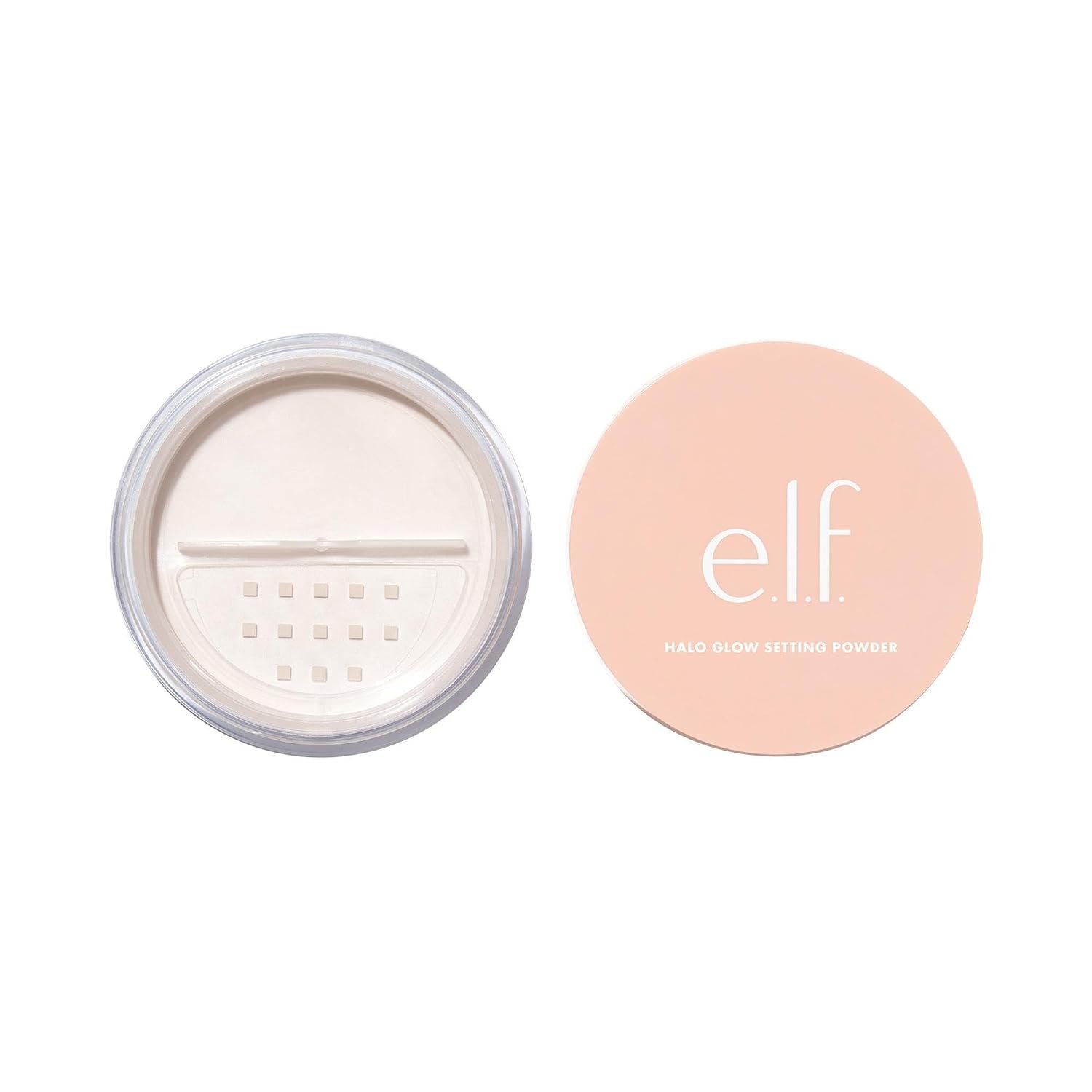
e.l.f. Halo Glow Setting Powder Light Review: A Soft-Focus Finish in a Weightless Formula
Setting powders have become a staple for those seeking to perfect their makeup look, and e.l.f. positions the Halo Glow Setting Powder Light as a loose powder designed to impart a soft-focus, radiant finish. With a promise of blurring fine lines and pores while leaving skin aglow, this powder aims to offer a modern alternative to traditional matte formulas. But how does it stack up based on the facts provided?
What Is the e.l.f. Halo Glow Setting Powder Light?
The e.l.f. Halo Glow Setting Powder Light is presented as a loose setting powder, packaged in a 6.8 g size and offered in the Light variant. The product is formulated to deliver a 'soft-focus glow' finish, which the brand describes as leaving the skin with a luminous, airbrushed effect. e.l.f. highlights its weightless texture, positioning it for those who want to set their makeup without a heavy or cakey feel.
Brand Positioning and Promised Effects
According to e.l.f., this powder is designed to lightly veil the skin, creating a dreamy, airbrushed finish. The brand further claims that it blurs the appearance of fine lines and pores, and leaves the skin aglow without imparting shine. The emphasis is on a smooth, soft-focus look rather than a flat matte effect, which may appeal to readers seeking a more radiant complexion.
Formulation and Finish
Based on the supplied specifications, the Halo Glow Setting Powder Light is a loose powder with a weightless texture. The finish is described as a soft-focus glow, a departure from the more common matte setting powders. This type of finish is often sought by those who wish to maintain a luminous look while still setting their makeup.
What’s Not Specified
There are notable gaps in the available information. The full ingredient list, usage directions, and any product-specific performance evidence are not supplied. Additionally, the intended user or suitability for particular skin types or concerns is not specified. These omissions mean that readers with sensitivities or specific preferences may not have all the details needed to make a fully informed decision.