How to Build a Simple Skincare Routine for Dry, Dehydrated Skin
Dry or dehydrated skin does not necessarily need a complicated routine.
In fact, adding too many cleansers, acids, serums and treatments at once can make it harder to work out what your skin actually needs.
A practical routine starts with the basics: gentle cleansing, hydration, moisturizer and daily sun protection.
Dry Skin and Dehydrated Skin Aren’t Exactly the Same
Dry skin generally refers to skin that produces less oil, while dehydration describes a lack of water in the skin.
You can therefore have oily skin that still feels dehydrated.
Both conditions can sometimes produce symptoms such as tightness, rough texture or discomfort, but the products that work best will depend on your individual skin.
Step 1: Start With Gentle Cleansing
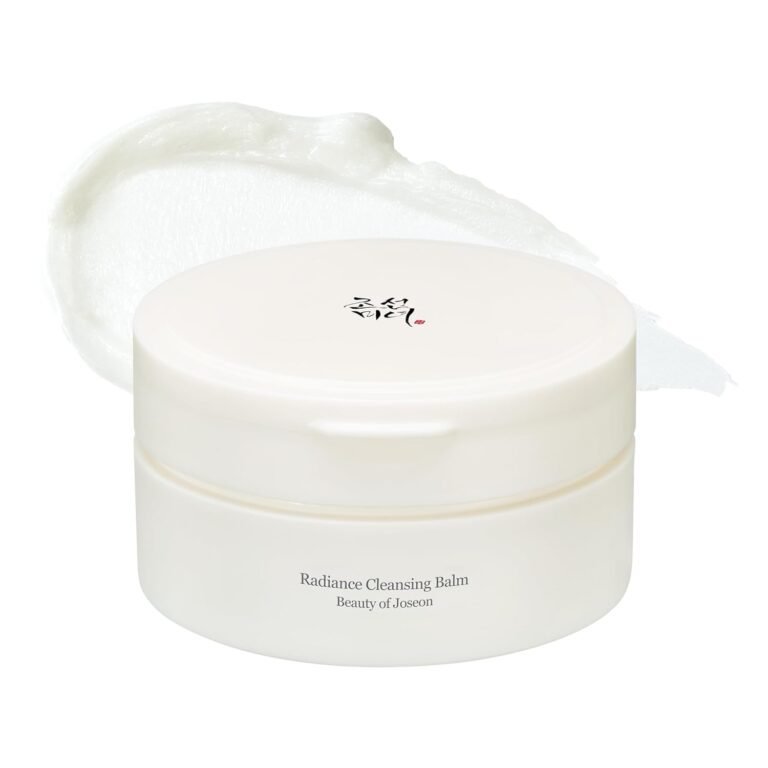
Cleansing should remove dirt, excess oil and other residue without making your skin feel unnecessarily tight.
For dry skin, a hydrating or non-stripping cleanser can make sense.
Products designed for normal-to-dry skin often combine cleansing agents with ingredients intended to support hydration and skin-barrier comfort.
Step 2: Add Hydration If Your Skin Needs It
This is where hydrating serums can fit into a routine.
Hyaluronic acid is widely used in skincare because of its ability to bind water and support skin hydration.
A hyaluronic-acid serum can therefore be a useful optional step, but it should not replace moisturizer.
Think of it as an additional hydration step rather than the entire routine.
Step 3: Use Moisturizer
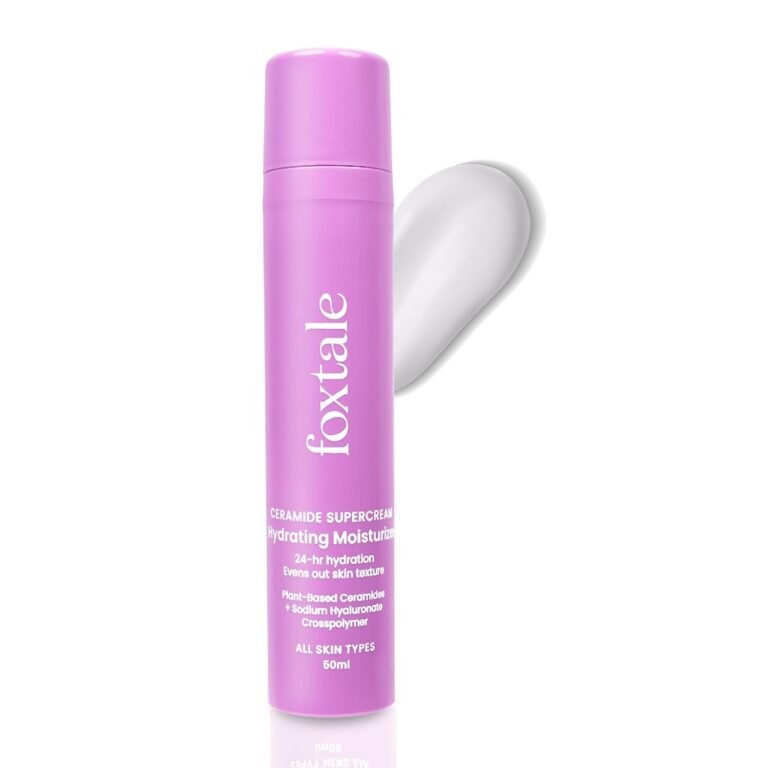
For genuinely dry skin, moisturizer is one of the most important parts of the routine.
Creams can help reduce water loss from the skin and improve comfort when dryness is a recurring concern.
The best moisturizer is generally one you can use consistently without causing irritation or congestion.
Step 4: Sunscreen in the Morning
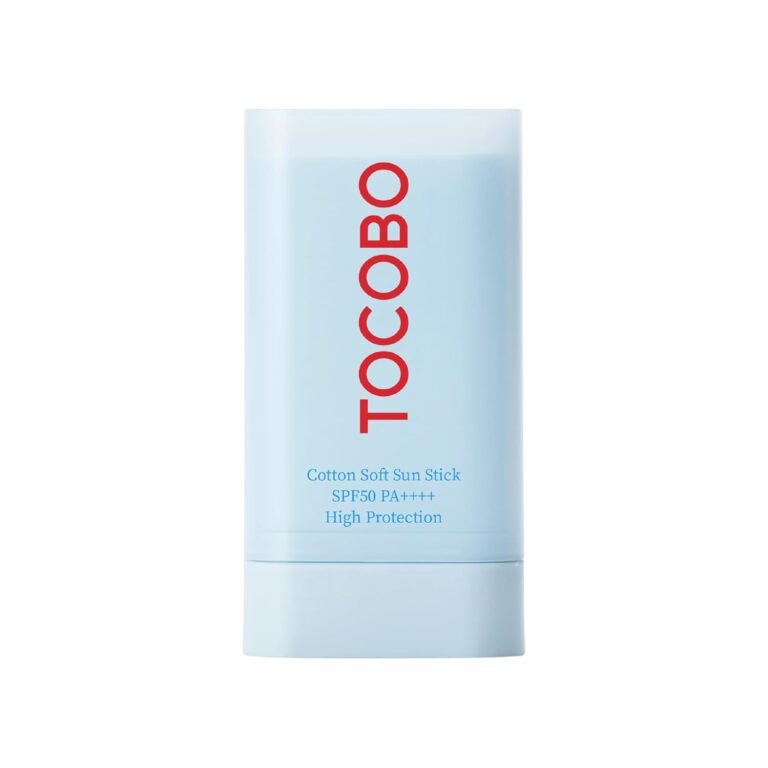
A morning skincare routine should finish with sun protection.
Choose a broad-spectrum sunscreen with at least SPF 30 and apply it as the final skincare step before makeup.
This step matters regardless of how many serums you use beforehand.
Where Does Vitamin C Fit?
Vitamin C is optional rather than essential for hydration.
Someone interested in concerns such as dullness or uneven-looking pigmentation may choose to add a vitamin C serum.
Vitamin C is commonly used in the morning after cleansing and before moisturizer and sunscreen.
That distinction matters: choose treatments according to the concern you are actually trying to address.
A Simple Morning Routine
For many people, a straightforward routine could look like:
- Gentle cleanser
- Hydrating serum, if needed
- Optional vitamin C treatment
- Moisturizer
- Broad-spectrum SPF 30+ sunscreen
You do not need every optional step.
A Simple Evening Routine
At night:
- Cleanser
- Hydrating serum, if desired
- Moisturizer
Additional treatments can be introduced later when there is a clear reason for using them.
Avoid Changing Everything at Once
When several new products are introduced simultaneously, it becomes difficult to identify which one is helping—or irritating—your skin.
A simpler routine also makes consistency easier.
Introduce new products gradually and pay attention to how your skin responds.
If dryness becomes severe, painful, cracked, persistently irritated or does not improve with basic care, professional evaluation may be appropriate.
Bottom Line
A good dry-skin routine does not need ten steps.
Start with:
gentle cleansing → hydration when useful → moisturizer → daytime sunscreen
Then add targeted products only when they serve a clear purpose.
That approach makes the routine easier to maintain and makes it easier to understand how your skin responds to each product.