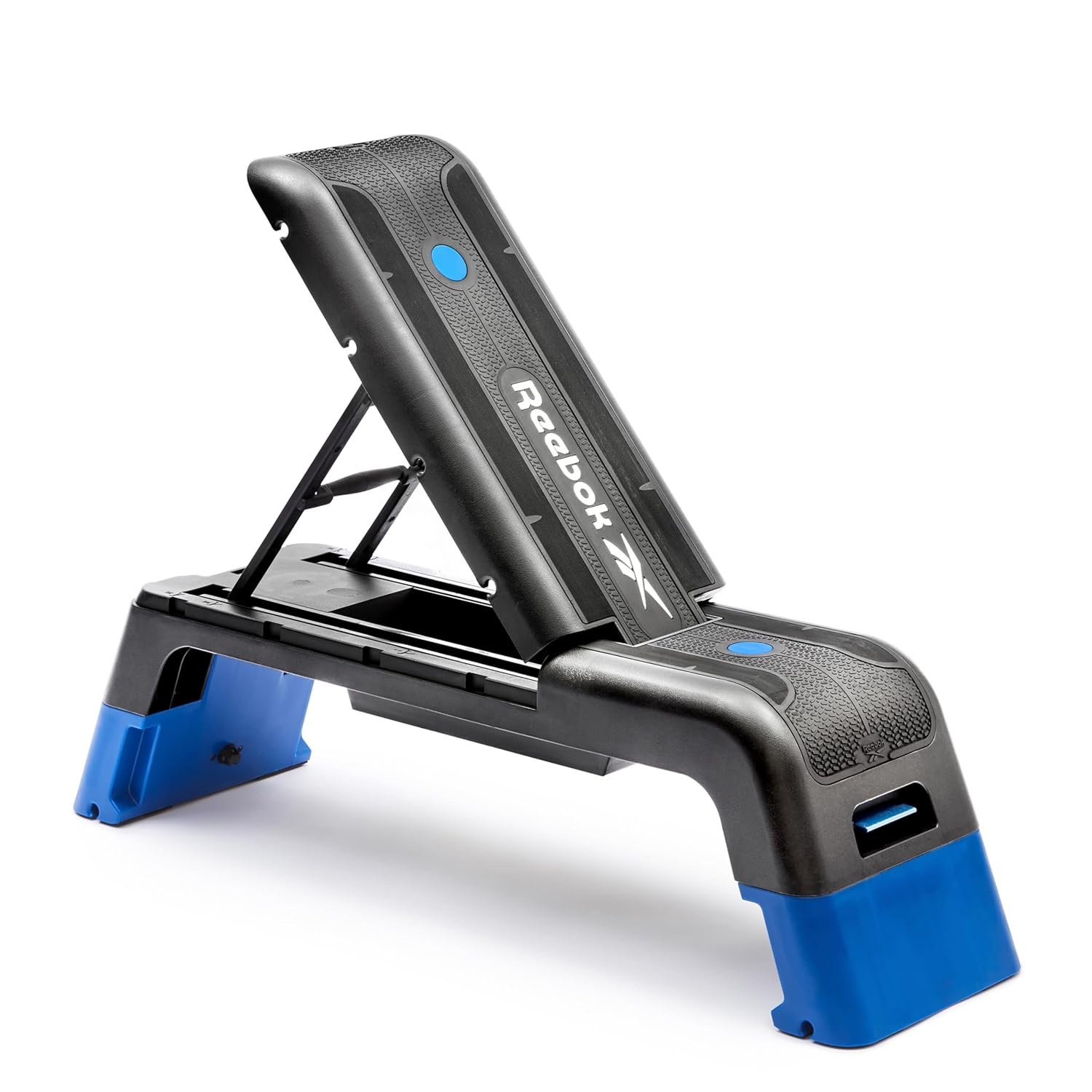
Reebok Deck 2.0 Step Platform: Adaptable Cardio and Strength Training Tool
Versatility is often the deciding factor when choosing home fitness equipment, and the Reebok Deck 2.0 Step Platform is positioned as a multi-purpose solution for those seeking to diversify their cardio and strength training routines. With its adjustable design and array of configurations, it aims to support a broad spectrum of exercises in a single, compact platform.
What the Reebok Deck 2.0 Is Designed to Do
Reebok positions the Deck 2.0 Step Platform as a completely adaptable piece of equipment intended for both aerobic and strength training. According to the manufacturer, its design supports more than 20 setup combinations, allowing users to switch between step, bench, and incline/decline formats. This adaptability is meant to enable a wide range of exercises, from classic step aerobics to bench presses and incline routines.
Key Features and Configurations
The platform offers two height settings—20 cm and 35 cm—using click-and-lock feet, which the brand states can increase workout intensity. The backrest is adjustable to four different positions, further expanding the exercise possibilities. With more than 20 possible configurations, the Deck 2.0 is engineered to transition between flat, incline, and decline setups. The surface itself is multi-textured and cushioned, which Reebok claims enhances grip and comfort during use.
Practical Considerations for Home Workouts
For those seeking a single piece of equipment that can adapt to various workout styles, the Deck 2.0’s modularity is its main appeal. The ability to quickly change height and backrest positions may be especially relevant for users who alternate between cardio sessions and strength-based routines. The multi-textured surface is a detail that could be important for maintaining stability during fast-paced or high-intensity movements.
Limitations and What’s Not Specified
While the Deck 2.0’s versatility is well-documented in the supplied information, there are notable gaps: there is no product-specific performance evidence, no usage directions, and no explicit details about who it is best suited for. Readers looking for guidance on maximum weight capacity, assembly requirements, or specific exercise recommendations will not find those details here. As with any adaptable equipment, actual workout experience will depend on how well the platform fits an individual’s space, needs, and preferences.