Philips HF3520 Wake-Up Light Review: Simulated Sunrises for Gentler Mornings
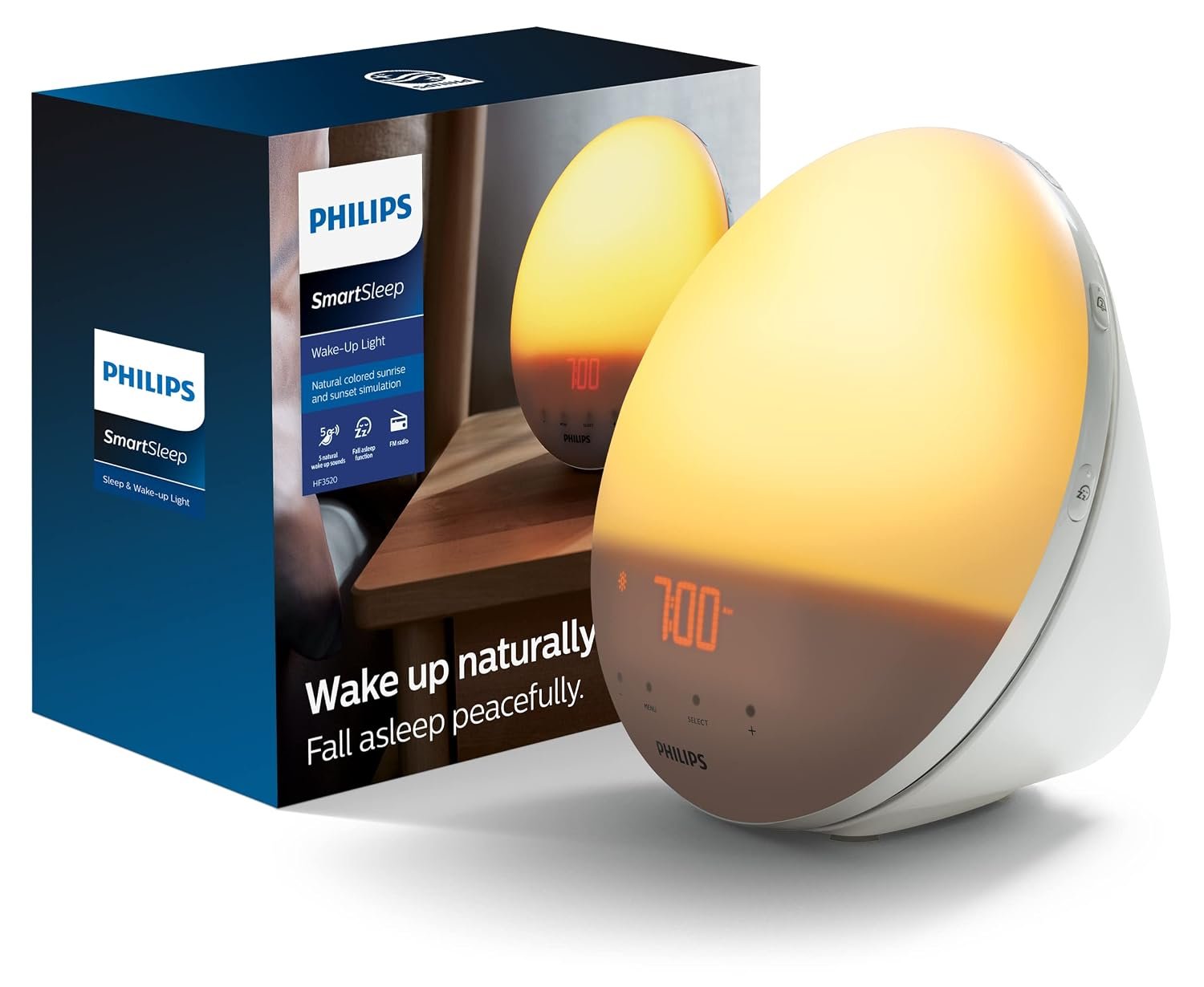
Waking up can be a struggle, especially for those who dread the blare of a traditional alarm clock. The Philips HF3520 Coloured Sunrise Wake-Up Light Alarm Clock is positioned as an alternative, aiming to ease users into their day with a gradual, colored sunrise simulation and gentle sounds. For anyone hoping to make mornings less abrupt—and perhaps even enjoyable—this bedside device makes a compelling case.
What the Philips HF3520 Is Designed to Do
Philips positions the HF3520 as a wake-up light alarm clock intended to help users rise more easily and pleasantly by simulating a natural sunrise. The device gradually increases both light intensity and color, aiming to mimic dawn and gently rouse sleepers. According to the manufacturer, this process can improve overall mood and energy in the morning, making it particularly relevant for adults and children (with supervision if needed), as well as anyone who finds waking up difficult or unpleasant.
Key Features and Customization
The HF3520 is a bedside tabletop lamp with a colored sunrise simulation and integrated alarm clock. It offers 20 brightness levels, allowing users to tailor the intensity to their comfort. The sunrise simulation duration is adjustable between 20 and 40 minutes, providing flexibility for different preferences. For auditory cues, there are five natural wake-up sounds and an FM radio option. The device supports two separate alarms, which can be helpful for households with different schedules. The maximum light output is 300 lux, and the lamp is powered by a corded electric source. Connectivity via USB is also available, and the device weighs 1113 grams.
How It Works in Practice
To use the HF3520, Philips recommends placing the lamp 16–20 inches (40–50 cm) from your head, such as on a bedside table. Users can set the clock time, choose their wake-up profile—including time, sunrise simulation, and sound—and adjust both light intensity and sound level. The device is designed for indoor use only and should not be used in wet environments. While the light and sound features are intended to make waking up more pleasant, Philips notes that if you often wake up too early or with a headache, you should reduce the set light intensity or sunrise simulation time. Conversely, if you find yourself waking up to the alarm sound rather than the light, increasing these settings may help.
Science and Testing Behind the Device
Philips’s product development team reports that the HF3520 is tested to last for seven years with regular use, providing some reassurance about its durability. While the device’s sunrise simulation is designed to feel more natural, general scientific research suggests that warm, gradual light can be more effective at shifting the internal circadian clock than abrupt, artificial lighting. However, these findings are based on animal studies and general principles, not direct clinical trials of this device.
Practical Considerations and Limitations
The HF3520 is suitable for adults and children (with supervision if reduced capabilities), and is positioned for those seeking a more natural or pleasant wake-up experience. However, there are several practical limitations to consider. The device is for indoor use only and should not be used in wet environments such as bathrooms or near pools. It is not intended for unsupervised use by individuals with reduced physical, sensory, or mental capabilities. Philips also advises consulting a doctor before use if you have suffered from or are suffering from depression. Additionally, if you share a bedroom, be aware that others may be disturbed by the light due to differing sensitivities.