Micellar Water and Waterproof Makeup: When a Second Cleanse Helps
Micellar water is one of the most convenient ways to remove everyday makeup, sunscreen and surface impurities. It requires minimal effort, works without elaborate equipment and comes in formulas designed for different skin types.
However, not all makeup is equally easy to remove.
A lightweight foundation may lift off with a few gentle passes of micellar water, while waterproof mascara, long-wear lipstick and water-resistant sunscreen can be much more stubborn.
This raises an important question: Is micellar water enough to cleanse your face, or do you need a second cleanser?
The answer depends on the products you wear, the micellar water formula, your skin’s sensitivity and how effectively the first cleansing step removes residue.
What Is Micellar Water and How Does It Work?
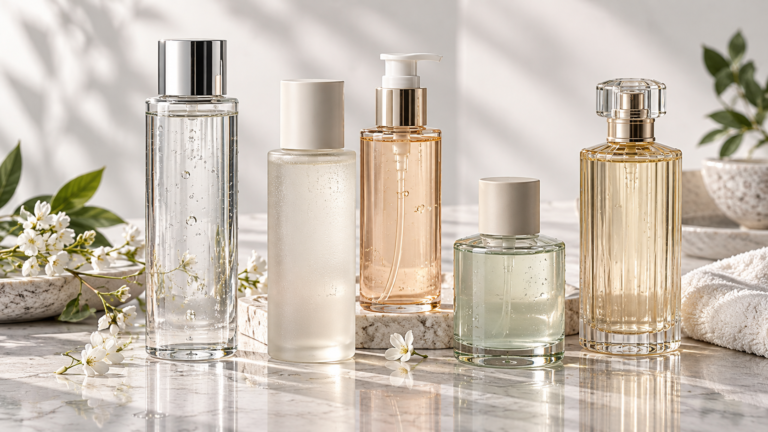
Micellar water is a water-based cleansing formulation containing surfactants—ingredients that help loosen oils, makeup and other impurities so they can be wiped away.
Surfactant molecules have two important properties: one part interacts with water, while another interacts with oils and greasy substances. Above certain concentrations, these molecules can assemble into structures called micelles.
This helps explain why micellar water can remove makeup without requiring the same lathering process as a conventional facial cleanser.
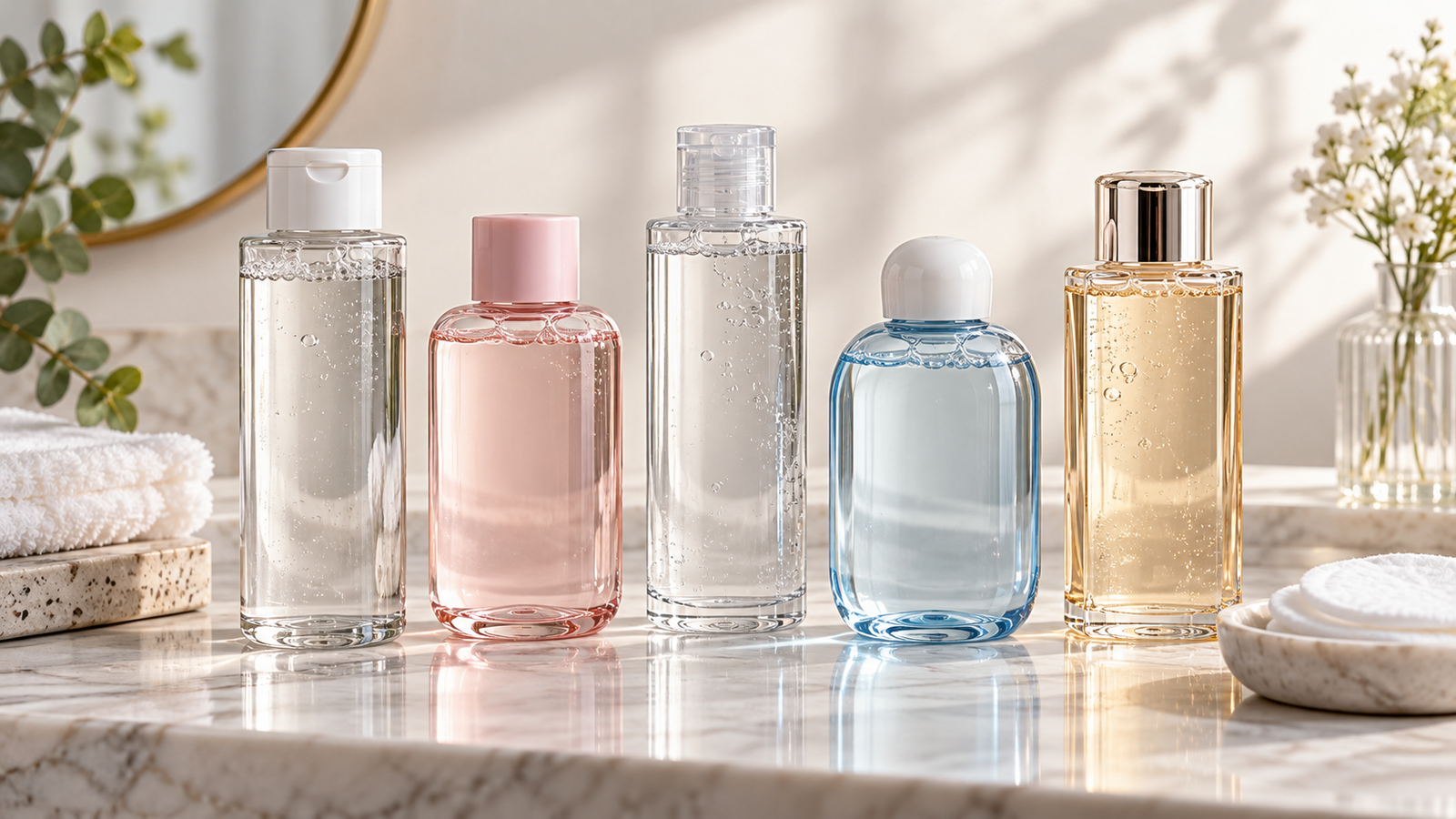
Micellar waters are available in several formulations, including:
- Classic micellar water: Suitable for removing many lightweight makeup products and everyday impurities.
- Hydrating micellar water: Often includes humectants to improve comfort during cleansing.
- Oil-infused micellar water: Combines water-based cleansing with an oil phase, which may improve removal of certain long-wear products.
- Sensitive-skin micellar water: Typically emphasizes mild cleansing and reduced potential for irritation.
The formula matters more than the product’s marketing category. Two products labeled micellar water can perform differently because of their surfactant systems and other ingredients.
Why Waterproof Makeup Is More Difficult to Remove
Waterproof mascara, eyeliner and long-wear lipstick are specifically formulated to resist moisture and remain in place.
They may contain film-forming polymers, waxes, oils and pigments designed to adhere to the skin, eyelashes or lips.
These ingredients can resist removal by water alone.
A standard micellar water may remove part of the product while leaving some pigment or film behind. Repeated rubbing might eventually remove more, but that can also irritate the delicate skin around the eyes.
This is why the ability to dissolve or loosen a product matters more than how vigorously you wipe it away.
Oil-containing makeup removers and suitable dual-phase micellar formulas may work better for certain waterproof products.
Micellar Water vs Oil-Based Makeup Remover
| Feature | Standard micellar water | Oil-infused micellar water or suitable oil-based remover |
|---|---|---|
| Lightweight makeup | Often effective | Usually effective |
| Waterproof mascara | Performance varies | Often easier to remove |
| Long-wear lipstick | May require repeated passes | May dissolve stubborn films more readily |
| Finish | Usually lightweight | May leave an oily or emollient feel |
| Sensitive skin | Depends on formulation | Depends on formulation |
| Second cleanse | Depends on residue and product directions | May be useful if residue remains |
Neither cleansing format is automatically superior for everyone.
A gentle, effective cleanser that removes makeup without excessive friction is generally preferable to a more aggressive routine that leaves the skin uncomfortable.
What Is Double Cleansing?
Double cleansing means using two cleansing steps, commonly:
- A makeup-removal step using micellar water, cleansing oil or cleansing balm.
- A water-based facial cleanser to remove remaining residue and refresh the skin.
The first step focuses on loosening makeup, sunscreen and oily deposits.
The second step helps remove remaining cleansing product, loosened impurities and other residue.
Importantly, double cleansing is a technique—not a requirement for healthy skin.
Someone wearing minimal skincare products may find that one appropriately formulated cleanser is sufficient.
Someone wearing substantial waterproof makeup or multiple layers of water-resistant sunscreen may benefit from a separate removal step.
When Should You Use a Second Cleanser?
A second cleanse can be useful in the following situations.
1. You Wear Waterproof Eye Makeup
Waterproof mascara and eyeliner can cling to eyelashes and the lash line.
A dedicated eye-makeup remover or suitable oil-infused micellar product may help loosen the makeup.
Afterward, a gentle facial cleanser can remove residue from the surrounding skin if needed.
Avoid rubbing the eyes repeatedly or pulling on the eyelashes.
2. You Wear Water-Resistant Sunscreen
Many sunscreens are designed to form a durable film on the skin.
A suitable facial cleanser can often remove sunscreen effectively, but heavier or more water-resistant formulas may benefit from an initial cleansing step.
If you notice persistent residue after a normal wash, consider adjusting your cleansing method rather than automatically increasing the amount of cleanser.
3. You Use Long-Wear Foundation or Lipstick
Long-lasting makeup may contain film-forming ingredients that do not lift off easily with a single wipe.
A compatible makeup-removal product can reduce the amount of friction required.
4. Your Micellar Water Leaves Residue
Some formulas leave a noticeable film or a slightly sticky feeling.
A gentle rinse or second cleanser may improve comfort, depending on the product’s directions and your skin’s response.
However, a sensation of tightness after cleansing is not proof that the skin is cleaner.
When Is Double Cleansing Unnecessary?
Double cleansing may not provide much additional benefit when:
- You wear little or no makeup.
- Your regular cleanser adequately removes your sunscreen.
- Your skin becomes dry or irritated with repeated cleansing.
- You already use a gentle cleanser that removes the day’s products effectively.
People with very dry, sensitive or compromised skin may find excessive cleansing uncomfortable.
The goal is effective cleansing while preserving skin comfort—not achieving a squeaky-clean sensation.
How to Remove Waterproof Makeup Without Excessive Rubbing
A careful technique can make more difference than adding several cleansing products.
Step 1: Choose an Appropriate Remover
For stubborn eye or lip makeup, select a remover specifically suitable for that area and type of makeup.
Avoid using products near the eyes unless their directions indicate that they are appropriate for eye makeup removal.
Step 2: Saturate a Soft Cotton Pad
Apply enough product to moisten the cotton pad adequately.
An almost-dry pad may increase friction against the skin.
Step 3: Hold Before Wiping
For eye makeup, gently hold the soaked pad against the closed eyelid for several seconds, following the remover’s directions.
This allows the formula time to loosen makeup.
Step 4: Wipe Gently
Use light downward or outward movements without dragging the delicate skin.
Repeat gently with a fresh section of the pad if necessary.
Avoid getting the remover into your eyes.
Step 5: Cleanse or Rinse as Needed
Use a gentle facial cleanser or rinse according to the product instructions and your skin’s needs.
Step 6: Apply Moisturizer
After cleansing, apply a suitable moisturizer while the skin is still comfortable and slightly hydrated.
This is especially useful if your skin tends to feel dry after makeup removal.
Common Micellar Water Mistakes
Scrubbing Until the Cotton Pad Looks Perfectly Clean
Repeated wiping can increase irritation, particularly around the eyes.
If makeup is not coming off, change the remover rather than increasing pressure.
Assuming Every Micellar Water Removes Waterproof Makeup
Different formulations have different capabilities.
Check the label and usage instructions rather than assuming all micellar waters work identically.
Using the Same Cotton Pad Repeatedly
A heavily soiled pad can spread removed makeup around the face.
Use a clean section or a fresh pad when needed.
Ignoring Persistent Stinging
Burning, persistent redness or eye irritation should not be considered normal parts of cleansing.
Stop using a product that causes irritation. Seek medical advice for significant or persistent symptoms, especially eye symptoms.
Over-Cleansing After Makeup Removal
Using several strong cleansers or exfoliating products in the same routine can be unnecessarily harsh.
Choose gentle products and limit the routine to what your skin actually needs.
How to Choose a Micellar Water for Your Routine
The right choice depends on your makeup habits and skin comfort.
| Your situation | What to look for |
|---|---|
| Minimal everyday makeup | Gentle classic micellar water |
| Waterproof eye makeup | Eye-safe waterproof makeup remover or suitable dual-phase formula |
| Dry or dehydrated skin | Mild formula with hydrating ingredients |
| Sensitive skin | Fragrance-free or otherwise well-tolerated gentle formulation |
| Heavy long-wear makeup | Effective first-step remover followed by a gentle cleanser if needed |
| Quick occasional cleansing | Convenient micellar formula that works for the products worn |
Rather than selecting a formula solely because it promises hydration, brightness or deep cleansing, consider whether it removes your actual makeup comfortably.
For a product-focused comparison, explore our Top 5 Micellar Waters in India buying guide, which compares cleansing formats and different everyday needs.
Frequently Asked Questions
Can micellar water remove waterproof mascara?
Some oil-infused or waterproof-makeup-specific formulas can remove it effectively. Standard micellar water may struggle with stubborn waterproof films. Always choose a product appropriate for use around the eyes.
Is it necessary to wash your face after micellar water?
Not always. Follow the product instructions and consider your skin’s response. A gentle second cleanse may be useful when makeup or cleanser residue remains.
Can I use micellar water every day?
Many micellar waters are intended for daily use. The important factors are the formula, application technique and whether your skin tolerates it comfortably.
Does micellar water replace face wash?
It can serve as a cleansing step, but whether it replaces your usual cleanser depends on the products you wear and how effectively it cleanses your skin.
Is double cleansing suitable for sensitive skin?
It can be, provided both products are gentle and the additional cleansing step is genuinely useful. Excessive wiping or repeated washing may worsen dryness or irritation.
Final Verdict
Micellar water is a practical and effective makeup-removal option for many everyday routines, but it is not equally effective against every waterproof or long-wear formula.
For lightweight makeup, one suitable cleansing step may be enough.
For stubborn waterproof makeup or persistent sunscreen residue, a compatible first-step remover followed by a gentle cleanser can be useful.
The best cleansing routine is the simplest one that reliably removes your products without leaving your skin uncomfortable.
Physical Glow Editorial Note: This article is educational and is not a substitute for personalized dermatological advice. Product suitability and individual skin responses vary.