How to Use Dry Shampoo Without Buildup or White Cast
Dry shampoo can be useful when your roots look oily but you are not ready for a full wash. It can absorb some surface oil, refresh the appearance of the roots and add temporary texture between wash days.
Problems usually begin when too much product is applied, it is sprayed too close to the scalp or it is not given enough time to absorb oil before brushing through. Those mistakes can leave visible white residue, powdery buildup or a heavy scalp feel.
This guide explains how to use dry shampoo more effectively, how powder, mist and aerosol formats differ, how to reduce white cast and why dry shampoo should remain a between-wash product rather than a replacement for normal cleansing.
What Does Dry Shampoo Actually Do?
Dry shampoo is designed to reduce the appearance of oil at the roots without using water.
Most formulas contain absorbent powders or starches that bind to some of the oil on the hair and scalp surface. Once the product has had time to work, brushing or massaging helps distribute and remove some of the visible residue.
The result can make roots look fresher and less greasy for a period of time.
Dry shampoo does not clean the scalp in the same way as shampoo and water. Sweat, styling products, environmental residue and accumulated dry shampoo still need to be washed away normally.
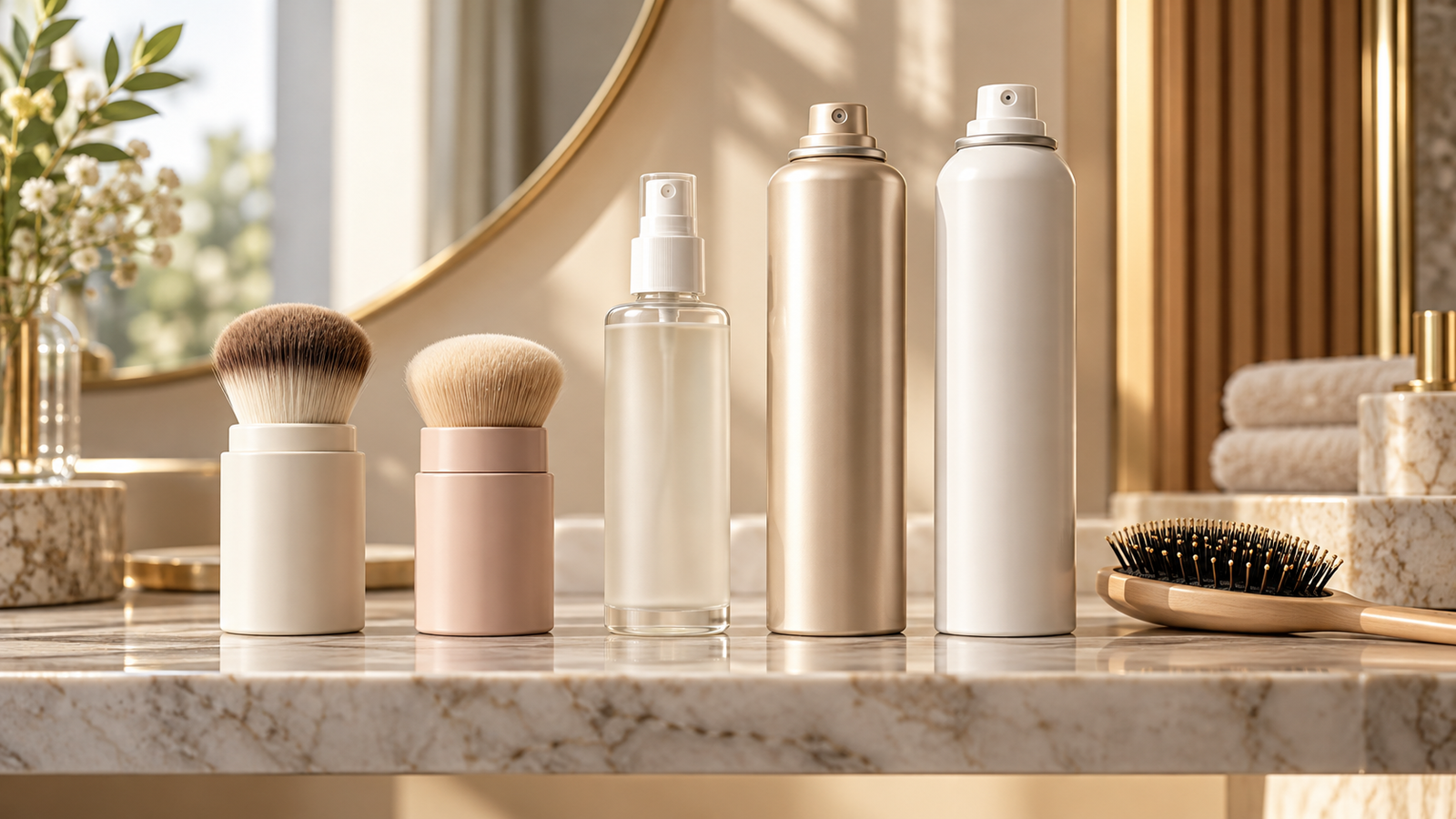
Powder vs Mist vs Aerosol Dry Shampoo
| Format | How It Applies | Main Advantage | Main Watch-Out |
|---|---|---|---|
| Loose or pump powder | Applied directly to targeted roots | Precise application and no aerosol propellant | Easy to over-apply in one spot |
| Mist | Fine liquid spray | Can feel lighter and distribute evenly | Needs drying time before judging the result |
| Aerosol spray | Wide, fast spray pattern | Quick coverage over larger root areas | Can create visible residue if sprayed too closely |
The best format is mostly a matter of application preference. A powder may offer more control, while an aerosol can be faster when refreshing several sections of hair.
When Should You Use Dry Shampoo?
Dry shampoo is most useful when the hair is still generally clean but the roots have started to look oily.
Common situations include:
- The day after washing when the roots lose freshness quickly
- Before work or an event when there is no time for a full wash
- After a light workout when the scalp is only mildly oily
- Between wash days for people who do not shampoo daily
- When extra root texture is useful for styling
If the scalp feels sweaty, itchy, heavily coated or visibly dirty, normal washing is usually the better option.
How to Use Dry Shampoo Step by Step
1. Start with dry hair
Dry shampoo is intended for dry roots unless the specific product says otherwise.
Applying powder or aerosol dry shampoo to damp hair can create clumps and uneven residue.
2. Section the hair
Do not spray the entire top of your head from one position.
Divide the oily areas into small sections so the product reaches the roots where it is needed.
Useful areas to check include:
- Hairline
- Parting
- Crown
- Temples
- Areas around the fringe or bangs
3. Apply a small amount
Start conservatively.
With a powder, apply a light amount directly to the oily roots rather than coating the entire scalp.
With an aerosol, follow the recommended spraying distance on the container. Holding the can too close concentrates the powder in one area and increases the chance of white residue.
4. Let it sit
This is one of the most commonly skipped steps.
Give the absorbent ingredients time to interact with oil before you immediately brush them away.
The exact waiting time depends on the formula, but allowing the product to sit briefly can improve oil absorption and reduce the temptation to keep adding more.
5. Massage gently
Use clean fingertips to work the product lightly through the root area.
Avoid scratching aggressively with fingernails.
Gentle massage helps distribute powder away from concentrated patches.
6. Brush or comb through
Use a clean brush or comb to distribute remaining product and remove excess visible residue.
For curly or textured hair where brushing would disturb the style, fingers can be used instead.
How Much Dry Shampoo Should You Use?
There is no universal amount because hair density, oiliness and product format vary.
The safest approach is to start with less than you think you need.
Apply a small amount, wait and assess the roots before adding more.
Dry shampoo can continue absorbing oil after application, so judging the result immediately can lead to unnecessary over-application.
Why Does Dry Shampoo Leave a White Cast?
White cast usually comes from visible absorbent powder sitting on the hair surface.
It is more noticeable on dark hair, but poor application can create residue on any hair colour.
Common causes include:
- Applying too much product
- Spraying too close to the roots
- Failing to massage or brush the product through
- Applying repeatedly to the same section
- Using dry shampoo on very oily roots that need washing
How to Reduce White Cast
Use less product
The easiest fix is usually reducing the amount applied.
Increase spraying distance
For aerosol formulas, use the distance recommended by the manufacturer so the product spreads more evenly.
Wait before massaging
Allowing the powder to absorb oil first can make it easier to distribute afterward.
Work it through thoroughly
Massage the roots and use a clean brush where appropriate.
Apply in smaller sections
Targeted application is easier to control than covering the entire scalp at once.
Can You Use Dry Shampoo on Dark Hair?
Yes.
The main challenge is making sure the absorbent powder does not remain visible.
Use small amounts, apply from the correct distance and take extra time to massage the product into the roots.
Some tinted dry shampoos are designed for darker hair, although tinted formulas can transfer onto hands, clothing or bedding depending on the product.
Should You Use Dry Shampoo at Night?
Some people prefer applying dry shampoo before bed rather than in the morning.
This gives the absorbent ingredients several hours to sit at the roots while natural movement during sleep helps distribute the product.
By morning, less visible powder may remain.
This approach is optional rather than necessary. If your formula works well with a short daytime waiting period, there is no need to change your routine.
Can You Use Dry Shampoo After a Workout?
It depends on how sweaty your scalp is.
If the roots are only mildly oily, dry shampoo may provide a temporary refresh once the hair and scalp are fully dry.
If the scalp is very sweaty, applying absorbent powder on top can create a sticky mixture of sweat, oil and product.
In that situation, washing is generally more appropriate.
Dry Shampoo for Fine Hair
Fine hair often shows oil quickly because the strands provide less volume to disguise greasy roots.
Dry shampoo can help create temporary lift and texture.
However, fine hair can also become weighed down quickly by excess product.
Apply lightly and focus only on oily areas.
Dry Shampoo for Thick Hair
With dense hair, the main challenge is reaching the scalp evenly.
Section the hair thoroughly instead of applying only to the visible top layer.
This allows smaller amounts of product to reach multiple root areas rather than requiring one heavy application.
Dry Shampoo for Curly and Wavy Hair
Curly and wavy hair often benefits from less frequent manipulation, so aggressive brushing after dry shampoo may disturb the curl pattern.
Instead:
- Apply small amounts directly to oily roots
- Let the product sit
- Massage lightly with fingertips
- Avoid dragging a brush through the lengths unless your style allows it
Powder and mist formats can both work depending on the curl routine and how much root control you want.
What Causes Dry Shampoo Buildup?
Buildup happens when dry shampoo is repeatedly layered onto the scalp without enough normal cleansing between applications.
Dry shampoo residue can combine with:
- Sebum
- Sweat
- Hair spray
- Styling creams
- Environmental dust
- Other scalp products
Over time, this mixture can make the scalp feel coated or uncomfortable.
Signs You May Be Using Too Much Dry Shampoo
Possible signs include:
- Roots that feel powdery even after brushing
- Visible residue around the parting
- A dull or matte appearance through the hair
- Scalp itching or tightness
- Product flakes on the scalp
- Hair that feels heavier instead of fresher
These symptoms do not always come from dry shampoo, but repeated heavy application is worth considering if the problem appears after use.
How Often Can You Use Dry Shampoo?
There is no exact number of days that applies to everyone.
The important point is that dry shampoo should supplement regular washing rather than continually replace it.
If you repeatedly apply dry shampoo for several days while the scalp becomes progressively more oily, washing is likely the better next step.
Does Dry Shampoo Clean Your Hair?
No.
Dry shampoo mainly absorbs some oil and changes how the roots look and feel temporarily.
It does not rinse away:
- Sweat
- Dead skin
- Accumulated sebum
- Environmental residue
- Styling-product buildup
Water and shampoo are still necessary for proper scalp cleansing.
Can Dry Shampoo Damage Hair?
Occasional appropriate use is different from repeatedly coating the scalp without washing.
The larger concern is usually buildup and scalp irritation rather than dry shampoo directly damaging each hair strand.
Problems can be more likely when:
- Too much product is used
- The scalp is already irritated
- Applications are repeated for several days
- Normal washing is delayed for too long
- The scalp is scratched aggressively
Does Dry Shampoo Cause Hair Loss?
Dry shampoo should not automatically be assumed to cause hair loss.
However, persistent scalp irritation, heavy buildup and aggressive scratching are not healthy habits.
If you experience unusual shedding, thinning, scalp pain or persistent irritation, stop experimenting with cosmetic products and seek appropriate professional advice.
Dry Shampoo vs Regular Shampoo
| Feature | Dry Shampoo | Regular Shampoo |
|---|---|---|
| Requires water | No | Yes |
| Absorbs surface oil | Yes | Oil is washed away |
| Removes sweat and buildup | Limited | Yes, when used correctly |
| Useful between washes | Yes | Not applicable |
| Can replace normal washing | No | Normal cleansing method |
Powder Dry Shampoo vs Aerosol Dry Shampoo
Powder formats can provide greater control because you decide exactly where the product lands.
They also avoid aerosol propellants and can be packaged in compact containers.
Aerosol dry shampoos are generally faster to apply over larger sections and create a very fine distribution when used from the correct distance.
The trade-off is that it can be easier to overspray.
Neither format is universally better.
Dry Shampoo Mist vs Powder
A mist has a more liquid application than traditional powder or aerosol products.
It may initially make the roots feel slightly damp, so it usually needs time to dry before you assess the result.
People who dislike obvious powder may prefer a mist format, while those who want direct oil absorption and targeted control may prefer powder.
Can Dry Shampoo Add Volume?
Yes, some dry shampoos create temporary texture at the roots in addition to absorbing oil.
This can make fine or flat hair appear more lifted.
However, repeatedly adding product for volume can eventually create buildup.
If volume is your main goal rather than oil control, a dedicated styling product may be more suitable.
Should You Brush Dry Shampoo Out?
For straight or brushable hair, gently brushing after the product has had time to absorb oil can help remove excess powder and distribute the remaining product.
For curly hair, brushing may disrupt the curl pattern, so fingertip massage is often preferable.
Should Dry Shampoo Go on the Scalp or Hair?
Focus primarily on the oily root area rather than coating the mid-lengths and ends.
The ends of the hair usually produce no oil of their own and may already be drier than the scalp area.
Spraying the entire length wastes product and can make the hair feel dull or rough.
How to Refresh Hair Without Overusing Dry Shampoo
You do not have to add dry shampoo every time your hairstyle loses freshness.
Other options include:
- Changing the parting
- Using a clean brush to redistribute some root oil
- Restyling the front sections
- Using a loose hairstyle
- Washing only the fringe or hairline when practical
- Doing a normal shampoo when the scalp actually needs cleaning
Common Dry Shampoo Mistakes
Spraying too close
This concentrates powder in one area and makes white cast much more likely.
Using too much immediately
Start with a small amount and wait before deciding whether more is required.
Applying to wet roots
This can create clumps or a paste-like residue unless the formula is specifically designed for damp use.
Skipping the waiting period
The absorbent ingredients need some time to interact with oil.
Applying it every day without washing
Repeated layering increases the chance of scalp buildup.
Spraying the lengths
Dry shampoo is generally most useful at oily roots, not dry ends.
A Simple Dry Shampoo Routine
For a straightforward refresh:
- Make sure the roots are dry.
- Section the oily areas.
- Apply a small amount of dry shampoo.
- Follow the recommended spraying distance if using aerosol.
- Wait briefly.
- Massage gently with clean fingertips.
- Brush through if appropriate for your hair type.
- Add more only where necessary.
This approach usually works better than covering the entire scalp heavily in one application.
How to Choose a Dry Shampoo
Consider the following:
- Do you prefer powder, mist or aerosol?
- How oily do your roots usually become?
- Do you have dark hair where visible residue is a concern?
- Do you want a compact travel product or a larger home-use spray?
- Will you brush the product through or preserve curls?
- Do you want primarily oil control or additional styling texture?
For specific products and formats, see our Top 5 Dry Shampoos in India.
Frequently Asked Questions
How long should dry shampoo sit before brushing?
Follow the directions for your product. In general, giving the absorbent ingredients a short period to work before massaging or brushing can improve the result.
Can I use dry shampoo two days in a row?
Occasional repeated use may be practical, but avoid continually layering product onto an increasingly oily scalp. Wash when the scalp begins to feel coated or uncomfortable.
Why does dry shampoo make my hair look grey?
Visible absorbent powder has probably remained on the hair. Use less product, increase spraying distance and distribute it more thoroughly.
Can dry shampoo be used immediately after washing?
It can be used on clean hair for texture or preventative oil control, but it is not necessary unless that effect is useful to your styling routine.
Can I sleep with dry shampoo in my hair?
Yes, many people apply it before bed and brush or massage through in the morning. Follow the instructions for your particular formula.
Should I use dry shampoo before or after styling?
For oil absorption, it is usually most useful at the roots before finishing the hairstyle. If using it specifically as a texture product, the timing may depend on the style.
Final Takeaway
Dry shampoo works best when it is used as a light, targeted refresh rather than as a substitute for washing.
Apply it mainly to oily roots, use less than you think you need and give the absorbent ingredients time to work before massaging or brushing through.
Powders offer precise application, aerosols provide fast coverage and mists offer another option for people who dislike a traditional powdery spray.
If you regularly end up with white cast, the solution is usually better application rather than simply trying a larger amount.
And when the scalp feels sweaty, itchy or heavily coated, skip another layer of dry shampoo and wash normally.
Physical Glow publishes educational beauty, fitness and wellness content. This article is for general informational purposes and is not a substitute for professional dermatological or medical advice.