How to Choose Workout Gloves for Weight Training
Workout gloves can make strength training more comfortable, but they are not essential for everyone.
A good pair of gloves can help with:
- improving grip comfort
- reducing friction against the palms
- limiting callus buildup
- absorbing sweat
- making dumbbell and barbell work feel more secure
However, poorly fitting gloves can create new problems. They may bunch up, reduce bar feel, trap sweat or make gripping less comfortable.
The right pair should match:
- your training style
- the exercises you perform
- your hand size
- how much palm protection you want
- how much grip feedback you prefer
This guide explains how to choose workout gloves for weight training without adding unnecessary bulk between your hands and the equipment.
What Are Workout Gloves Used For?
Workout gloves are designed to create a protective layer between your hands and gym equipment.
They are commonly used during:
- dumbbell exercises
- barbell training
- cable exercises
- machine workouts
- pull-ups
- rowing movements
- kettlebell training
Their main purpose is usually comfort rather than increasing strength.
Gloves may reduce direct friction from:
- knurled barbells
- rough dumbbell handles
- cable attachments
- pull-up bars
They can also help manage sweaty palms during longer sessions.
Do You Need Workout Gloves?
Not necessarily.
Many people train effectively without gloves.
You may prefer gloves if:
- your palms become uncomfortable during lifting
- calluses bother you
- your hands sweat heavily
- gym handles feel rough
- you prefer additional cushioning
You may prefer training without gloves if:
- you want maximum bar feedback
- you already have comfortable grip strength
- you do not mind calluses
- gloves make the handle feel too thick
There is no rule that serious lifters must use or avoid gloves.
Choose based on comfort and performance.
Workout Gloves vs Bare-Hand Training
Both approaches have advantages.
Training With Gloves
Possible benefits:
- less palm friction
- improved comfort
- sweat absorption
- some protection against rough handles
- reduced direct pressure on callused areas
Possible disadvantages:
- thicker grip
- reduced tactile feedback
- heat buildup
- material can bunch under the palm
Training Bare-Handed
Possible benefits:
- direct bar contact
- better tactile feedback
- no extra bulk
- easier hand positioning
Possible disadvantages:
- more friction
- callus development
- discomfort from aggressive knurling
- sweaty hands may feel slippery
Neither option is automatically better.
The Main Types of Workout Gloves
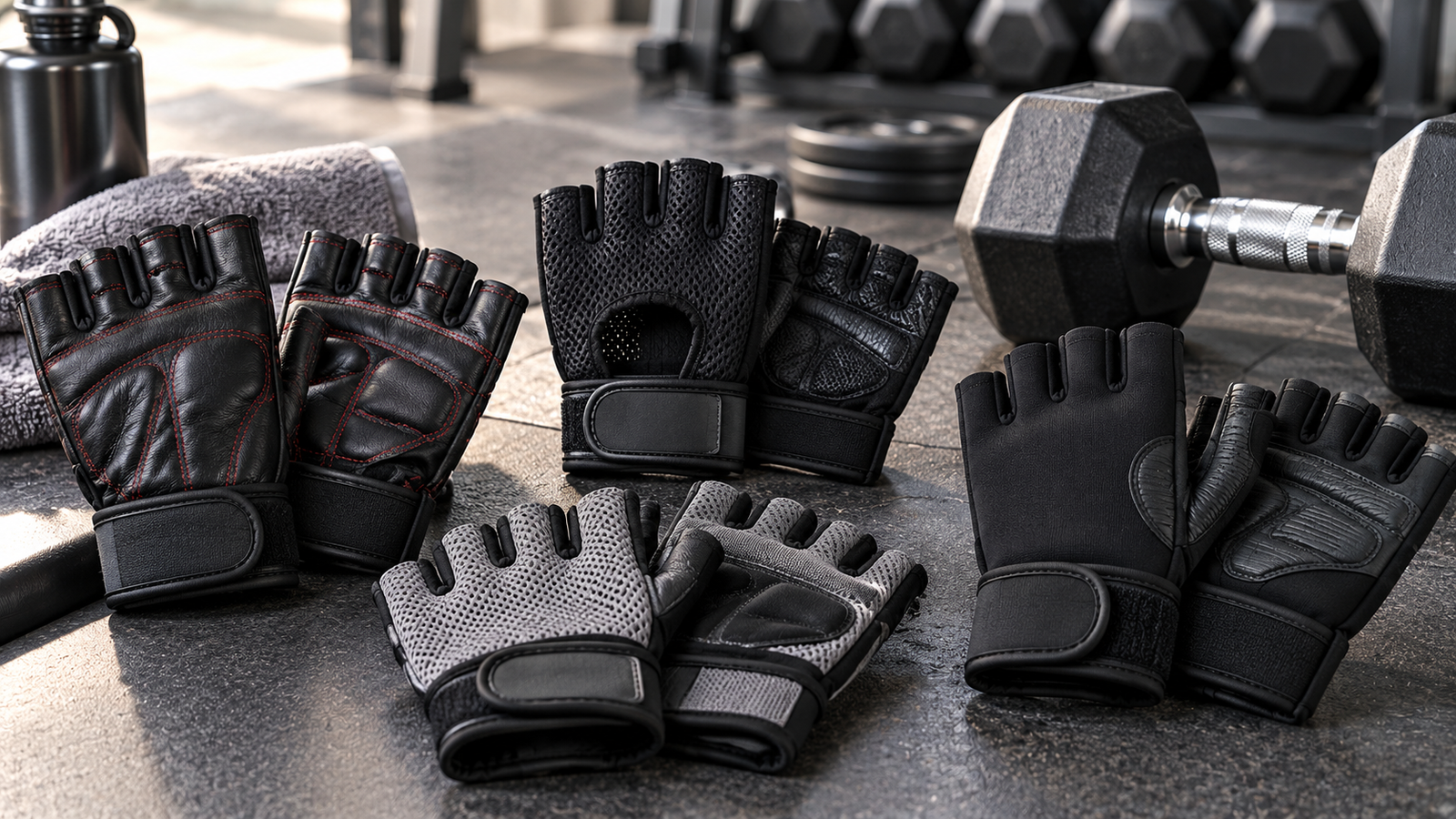
Basic Half-Finger Gloves
These are the most common gym gloves.
They cover:
- palm
- lower fingers
- back of the hand partially
while leaving fingertips exposed.
They provide a balance between:
- protection
- ventilation
- grip feedback
For general home or gym strength training, this is often the most practical design.
Full-Finger Workout Gloves
Full-finger gloves cover the entire hand.
They may be useful for:
- outdoor training
- colder environments
- rough equipment
- activities that need more complete skin coverage
However, they can feel warmer and bulkier during indoor weight training.
Minimal Grip Gloves
These use thinner materials and less padding.
They are suited to people who want:
- better bar feel
- light palm protection
- less bulk
They may be preferable for experienced lifters who dislike thick cushioning.
Heavily Padded Gloves
These include thicker padding across the palm.
They may improve comfort during:
- dumbbell pressing
- machine work
- general resistance training
However, excessive padding can make handles feel thicker and reduce control.
Gloves With Wrist Support
Some workout gloves include extended wrist straps.
They are designed to provide additional wrist compression or support.
This can be useful for some lifters, but wrist straps should not be treated as a substitute for:
- good technique
- appropriate loading
- proper wrist position
Not everyone needs built-in wrist support.
How Should Workout Gloves Fit?
Fit is one of the most important factors.
A good glove should feel:
- secure
- close-fitting
- comfortable
- flexible
It should not:
- slide around the palm
- bunch during gripping
- cut into the fingers
- restrict hand closure
If the glove moves independently of your hand, friction may actually increase.
Gloves That Are Too Loose
Loose gloves can:
- wrinkle under the palm
- move during pulling exercises
- reduce grip confidence
- create pressure points
A loose fit can be especially noticeable during:
- deadlifts
- rows
- pull-ups
Gloves That Are Too Tight
Overly tight gloves can:
- restrict finger movement
- feel uncomfortable during a closed grip
- dig into the webbing between fingers
- make longer sessions unpleasant
The glove should fit snugly without compressing the hand excessively.
How to Measure Your Hand for Workout Gloves
Manufacturers use different sizing systems, so always check the product’s size chart.
Measurements may include:
- palm circumference
- hand width
- hand length
A common method is to measure around the widest part of the palm, excluding the thumb.
Do not rely only on labels such as:
- Small
- Medium
- Large
Sizing can vary significantly between brands.
Palm Padding: How Much Do You Need?
More padding is not automatically better.
Light Padding
Best if you want:
- good bar feel
- less bulk
- basic friction protection
Medium Padding
Often a useful compromise for general gym training.
It can improve comfort without making the grip excessively thick.
Heavy Padding
Can be useful if:
- your palms are particularly sensitive
- you mainly use machines and dumbbells
- comfort is your top priority
But thick padding may reduce control during heavier barbell exercises.
Where Should the Padding Be?
Useful padding is usually concentrated around common pressure areas of the palm.
The glove should still allow the hand to bend naturally.
Padding that is too thick near the finger joints may bunch when gripping.
Look for a design that follows the shape of the hand rather than simply adding thick foam everywhere.
Leather vs Synthetic Workout Gloves
Material affects durability, flexibility and maintenance.
Leather Gloves
Possible advantages:
- durable
- strong grip feel
- moulds to the hand over time
Possible disadvantages:
- heavier
- may retain more heat
- requires more care
- often costs more
Synthetic Gloves
Common materials include:
- polyester
- nylon
- synthetic leather
- elastane
- mesh
Advantages may include:
- lighter weight
- quicker drying
- easier washing
- better ventilation
For general fitness use, synthetic gloves are often convenient.
Mesh Panels and Ventilation
Workout gloves can become warm quickly.
Ventilation features may include:
- mesh backs
- perforated palms
- breathable fabric panels
These can help reduce:
- sweat buildup
- heat
- dampness
If you train in warm or humid conditions, ventilation is especially useful.
Grip Material
Some gloves include grip-enhancing surfaces such as:
- silicone patterns
- rubberised sections
- textured synthetic material
These can improve friction between the glove and equipment.
However, grip material should not feel excessively sticky.
You still need to be able to:
- reposition your hand
- release equipment comfortably
- maintain natural movement
Workout Gloves for Dumbbell Training
For dumbbell training, look for:
- comfortable palm padding
- secure fit
- good ventilation
- moderate thickness
You usually do not need extremely heavy padding.
Too much material can make smaller dumbbell handles feel unusually thick.
Workout Gloves for Barbell Training
For barbell work, many lifters prefer thinner gloves.
Why?
Because barbell training often benefits from:
- direct feedback
- precise hand placement
- secure contact with knurling
Look for:
- thin palm protection
- good grip
- minimal bunching
If you lift heavy, excessive cushioning may feel unstable.
Workout Gloves for Deadlifts
Deadlifts place high demands on grip.
Workout gloves may help with comfort, but they do not necessarily improve grip strength.
Some thick gloves can actually make the bar effectively wider, making it harder to hold.
For deadlifts, consider:
- minimal padding
- secure fit
- high-friction palm material
Some lifters prefer alternatives such as lifting straps for specific heavy sets, but straps serve a different purpose from gloves.
Workout Gloves for Pull-Ups
Pull-ups create significant friction across the palms.
Gloves can help reduce:
- skin irritation
- callus discomfort
Look for:
- secure wrist closure
- non-slip palm
- minimal bunching
- suitable finger opening
Heavy padding may reduce your ability to wrap the hand comfortably around the bar.
Workout Gloves for Kettlebells
Kettlebells move differently from dumbbells.
During swings, cleans and snatches, the handle may rotate through the hand.
Thick gloves can sometimes interfere with this movement.
If you use gloves for kettlebells, choose:
- thin material
- good fit
- flexible palm
- minimal seams
Technique is especially important.
Gloves With Wrist Wraps: Do You Need Them?
Some gloves include long straps that wrap around the wrist.
They can provide:
- compression
- a more secure feeling
- limited external support
They may be useful for:
- pressing exercises
- users who prefer a firmer wrist feel
But built-in wrist wraps do not correct poor lifting technique.
If you experience ongoing wrist pain, increasing support without identifying the cause is not the best solution.
Persistent pain should be assessed appropriately.
Wrist Support vs Lifting Straps
These are different products.
Wrist Support
Designed primarily to support the wrist joint during pressing or lifting.
Lifting Straps
Wrap around the bar to help maintain grip during pulling exercises.
Workout Gloves
Primarily protect the palms and improve comfort.
Some products combine features, but understand what each part is designed to do.
Gloves vs Lifting Straps
Gloves and straps are not interchangeable.
Choose gloves if your main concern is:
- palm protection
- friction
- comfort
Choose lifting straps for selected pulling exercises if grip becomes the limiting factor and their use fits your training plan.
Straps can reduce the grip demand of an exercise, so they should be used deliberately rather than automatically.
What About Calluses?
Calluses are a common result of repeated friction during strength training.
Workout gloves may reduce friction but may not completely prevent calluses.
Callus formation also depends on:
- grip technique
- training volume
- bar texture
- skin characteristics
Even with gloves, basic hand care may still be useful.
Can Workout Gloves Improve Grip?
They can improve perceived grip in certain conditions, particularly when:
- hands are sweaty
- equipment surfaces are smooth
- palms are uncomfortable
However, they do not automatically increase actual grip strength.
Grip strength develops through training.
Gloves primarily change the interface between your hand and the equipment.
Sweat Management
Sweaty palms can make training uncomfortable.
Look for gloves with:
- breathable material
- sweat-wicking fabric
- ventilation panels
- secure grip surfaces
Gloves should also be washable or easy to clean.
Otherwise, absorbed sweat can create:
- odour
- material deterioration
- hygiene problems
How to Wash Workout Gloves
Follow the manufacturer’s instructions.
Depending on the material, gloves may require:
- hand washing
- gentle machine washing
- surface wiping only
After cleaning:
- air-dry completely
- avoid storing them while damp
Do not automatically use high heat because some synthetic materials, adhesives or padding can be damaged.
How Often Should You Clean Workout Gloves?
This depends on:
- training frequency
- sweat level
- material
If gloves become visibly damp or develop odour, they need cleaning.
Frequently used gloves should be allowed to dry fully between sessions.
Keeping them permanently inside a closed gym bag can encourage unpleasant odours.
Easy-Off Pull Tabs
Some gloves include small tabs on the fingers.
These help remove tight gloves after training.
They are especially useful because sweaty gloves can become difficult to pull off.
This is a small feature, but it can improve day-to-day convenience.
Wrist Closures
Common closure styles include:
- hook-and-loop straps
- elastic openings
- pull-on designs
Hook-and-loop closures provide more adjustment.
Elastic designs are simpler but may stretch over time.
Choose whichever feels secure without restricting wrist movement.
Seams Matter
Poorly positioned seams can create pressure points.
Check areas such as:
- base of the fingers
- centre of the palm
- thumb webbing
A seam that feels minor when the hand is open may become uncomfortable when gripping a heavy handle.
How Thick Should Workout Gloves Be?
For most general strength training, thin-to-medium thickness is a practical starting point.
Choose thinner gloves if you prioritise:
- bar feel
- deadlifting
- pull-ups
- kettlebells
Choose more padding if you prioritise:
- comfort
- machine work
- dumbbell pressing
- sensitive palms
Workout Gloves for Beginners
Beginners usually do not need highly specialised gloves.
Look for:
- comfortable fit
- moderate padding
- breathable material
- adjustable wrist closure
- easy washing
You can refine your preference as you gain training experience.
Workout Gloves for Heavy Lifters
More experienced lifters may prefer:
- thinner palms
- stronger materials
- reinforced high-wear areas
- precise fit
- minimal movement
Durability becomes more important as training load and frequency increase.
Should Women and Men Use Different Workout Gloves?
The important factors are:
- hand dimensions
- fit
- comfort
- training style
Products marketed specifically for men or women may use different sizing or aesthetics, but there is no fundamental need to choose based only on gender.
Use the size chart.
Common Workout Glove Buying Mistakes
Buying Without Measuring Your Hand
A poor fit can make even a high-quality glove uncomfortable.
Choosing Maximum Padding
Very thick padding can reduce bar feel.
Ignoring Ventilation
Hot, sweaty gloves become unpleasant quickly.
Buying Only for Appearance
Fit and material matter more than design.
Assuming Gloves Replace Grip Training
They do not.
Expecting Gloves to Prevent All Calluses
Friction can still occur.
Ignoring Washability
Gym gloves absorb sweat and need regular cleaning.
How to Test Workout Gloves
When you first try them:
- Close your hand into a fist.
- Grip a dumbbell or similar handle if possible.
- Check whether the palm material bunches.
- Make sure finger openings do not dig into the skin.
- Test wrist movement.
- Check whether the glove shifts during gripping.
The fit should feel natural when your hand is closed, not only when it is relaxed.
When Should You Replace Workout Gloves?
Replacement may be needed when:
- palm material tears
- grip surfaces wear smooth
- seams split
- wrist closures stop holding
- padding becomes permanently compressed
- the gloves retain persistent odour despite cleaning
Worn gloves can become less comfortable and less secure.
How Much Should You Spend on Workout Gloves?
You do not need the most expensive pair.
Prioritise:
- correct fit
- suitable padding
- grip
- breathability
- durable stitching
- washability
A moderately priced glove that fits correctly is usually more useful than an expensive pair with poor sizing.
Workout Glove Selection by Training Style
| Training style | What to prioritise |
|---|---|
| General gym workouts | Medium padding and breathability |
| Dumbbell training | Comfortable palm protection |
| Heavy barbell work | Thin padding and strong grip |
| Deadlifts | Minimal bulk |
| Pull-ups | Grip and palm protection |
| Kettlebells | Thin, flexible material |
| Machine training | Comfort and cushioning |
| Long sessions | Breathability and sweat management |
Simple Buying Checklist
Before buying workout gloves, check:
Fit
Does the size match your palm measurements?
Padding
Is there enough protection without excessive bulk?
Grip
Does the palm provide secure friction?
Ventilation
Can heat and sweat escape?
Wrist Design
Do you need a simple closure or extra wrist support?
Material
Is it appropriate for your training frequency?
Cleaning
Can the gloves be washed easily?
Training Style
Will the glove work for your main exercises?
Do Gloves Make Lifting Safer?
Gloves may make the grip feel more comfortable or secure, but they do not replace safe lifting practices.
You still need:
- proper technique
- appropriate weights
- controlled repetitions
- secure equipment
- correct hand positioning
Do not lift beyond your ability because gloves make your hands feel more protected.
What If Your Hands Still Hurt While Using Gloves?
Discomfort from normal friction is different from persistent pain.
If you experience:
- sharp hand pain
- numbness
- persistent tingling
- wrist pain
- reduced grip strength
do not assume thicker gloves will solve the issue.
Review your technique and seek appropriate professional assessment if symptoms persist.
Frequently Asked Questions
Are workout gloves necessary for weight training?
No. They are optional and mainly provide palm protection, comfort and sweat management.
Do workout gloves improve grip?
They can improve surface grip in some situations, especially with sweaty hands, but they do not replace grip-strength training.
Do gloves prevent calluses?
They may reduce friction and callus formation, but they may not eliminate it completely.
Are thick gloves better?
Not necessarily. Excessive padding can make the handle feel thicker and reduce bar feedback.
Are workout gloves good for deadlifts?
They can reduce palm discomfort, but thin gloves are generally more suitable than heavily padded ones for deadlifting.
Should workout gloves have wrist support?
Only if you want that feature. Wrist support is not necessary for everyone.
How tight should workout gloves be?
They should fit snugly without restricting movement, cutting into the fingers or bunching under the palm.
How often should workout gloves be washed?
Clean them according to use, sweat level and manufacturer instructions, and always allow them to dry fully before storage.
Final Takeaway
The best workout gloves are the ones that protect your hands without interfering with your grip.
For most weight-training routines, look for:
- snug fit
- thin-to-medium palm padding
- secure grip material
- breathable construction
- durable stitching
- an adjustable closure
- easy cleaning
Choose lighter, thinner gloves if you prioritise bar feel, deadlifts, pull-ups or kettlebell training.
Choose more padded gloves if your main concern is palm comfort during dumbbell, machine or general gym training.
Do not choose gloves solely because they have the most padding or the largest wrist strap. Fit, grip and freedom of movement matter more.
If you are comparing specific options, continue to our Top 5 Workout Gloves in India guide, where we compare training gloves for grip, palm protection, wrist support and general strength workouts.