How to Choose Wellness Accessories That Fit Your Routine
Wellness accessories are everywhere.
A quick search can bring up:
- massage balls;
- stretching straps;
- meditation cushions;
- acupressure mats;
- posture tools;
- eye masks;
- recovery rollers;
- reusable hot and cold packs;
- mobility aids;
- breathing trainers;
- relaxation devices;
- aromatherapy accessories.
The problem is that “wellness accessory” is such a broad category that almost anything can be marketed as something that improves your health, recovery, posture, sleep or stress levels.
That makes it easy to buy products that look useful but eventually sit unused in a drawer.
The useful question is therefore not:
“Which wellness accessories should everyone own?”
It is:
“What part of my routine is currently difficult, uncomfortable or inconsistent, and is there a simple accessory that genuinely makes that routine easier?”
A good wellness accessory should remove friction from an existing healthy habit. It should not create a complicated new ritual you feel obligated to maintain.
This guide explains how to evaluate wellness accessories based on purpose, practicality, evidence, safety, durability and whether you are realistically likely to use them.
Start With the Routine, Not the Product
Before buying anything, identify the specific situation you want to improve.
For example:
- you regularly forget to stretch;
- your neck feels uncomfortable during long work sessions;
- you want a better way to apply heat to sore muscles;
- your bedroom is too bright for sleep;
- foam rolling is difficult with your current setup;
- you want a more comfortable meditation position.
That is much more useful than starting with:
“I need more wellness products.”
The strongest buying logic is:
problem → routine → accessory
not:
accessory → invent a reason to use it
Ask Three Questions First
Before purchasing any wellness accessory, ask:
- What problem is this supposed to solve?
- Will I realistically use it at least several times per month?
- Could I solve the same problem with something I already own?
If you cannot answer the first two clearly, you probably do not need the product yet.
Wellness Accessories Should Support, Not Replace, the Basics
Accessories can improve comfort and convenience, but they rarely replace the foundations of health.
For example:
- a massage ball does not replace appropriate strength and mobility work;
- a posture brace does not replace movement breaks and workstation setup;
- a sleep mask does not compensate for a chaotic sleep schedule;
- a hydration reminder bottle does not replace actually drinking enough fluid;
- a recovery tool does not cancel out inadequate sleep.
Use accessories to support the fundamentals rather than treating them as shortcuts around them.
Group Wellness Accessories by Function
The easiest way to compare products is by what they are designed to help with.
Common categories include:
- mobility and stretching;
- muscle recovery;
- heat and cold therapy;
- relaxation;
- meditation;
- sleep;
- posture and desk comfort;
- hydration;
- breathing;
- general home wellness.
You may only need one or two categories.
1. Mobility and Stretching Accessories
Mobility accessories can help make stretching and movement work easier.
Common examples include:
- stretching straps;
- yoga straps;
- mobility sticks;
- massage balls;
- foam rollers;
- resistance bands.
These tools are useful when they help you:
- reach a comfortable position;
- add control;
- improve consistency;
- reduce the need for complicated setups.
Stretching Straps
A stretching strap can be useful when you cannot comfortably reach:
- your feet;
- ankles;
- certain positions.
Look for:
- adequate length;
- strong stitching;
- comfortable material;
- easy-to-grip loops or buckle.
You do not need dozens of loops unless they genuinely improve your routine.
Massage Balls
Massage balls can provide targeted pressure to small areas.
They may be used around:
- glutes;
- feet;
- upper back;
- shoulders.
Avoid applying intense pressure directly over:
- joints;
- bones;
- injured areas;
- the front or sides of the neck.
Start gently.
More pressure is not automatically more effective.
Mobility Sticks
Mobility sticks may help with:
- assisted stretching;
- movement drills;
- leverage during mobility work.
They are most useful when you already have a specific routine.
Buying one without knowing how you will use it often turns it into another piece of unused equipment.
2. Muscle-Recovery Accessories
Recovery accessories are popular because they can make sore or tight-feeling muscles more comfortable.
Examples include:
- foam rollers;
- massage balls;
- handheld massagers;
- massage guns;
- compression products.
These tools may support comfort and temporary mobility, but they should not be treated as repair devices for serious injuries.
Foam Rollers
Foam rollers are useful for broad areas such as:
- quadriceps;
- hamstrings;
- glutes;
- upper back.
Choose based on:
- density;
- diameter;
- length;
- surface texture.
Beginners often benefit from a smoother, moderate-density roller rather than an aggressively textured model.
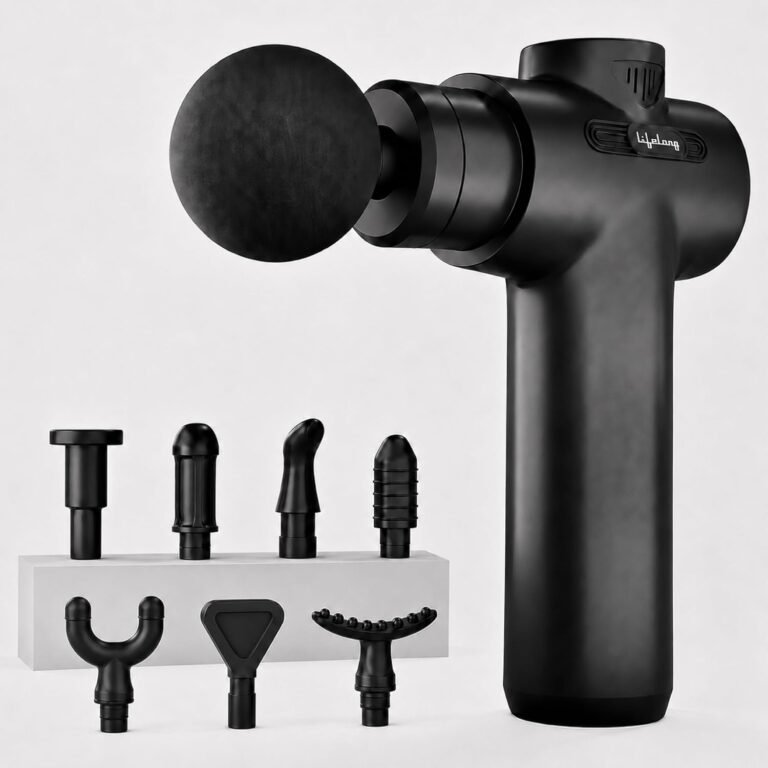
Massage Guns
Massage guns provide rapid percussive movement.
They can be convenient for:
- larger muscle groups;
- warm-up;
- post-exercise relaxation.
Important features include:
- adjustable speed;
- manageable weight;
- useful attachments;
- battery life;
- comfortable grip.
Avoid treating maximum power as a quality measure.
The strongest setting is not always the most appropriate.
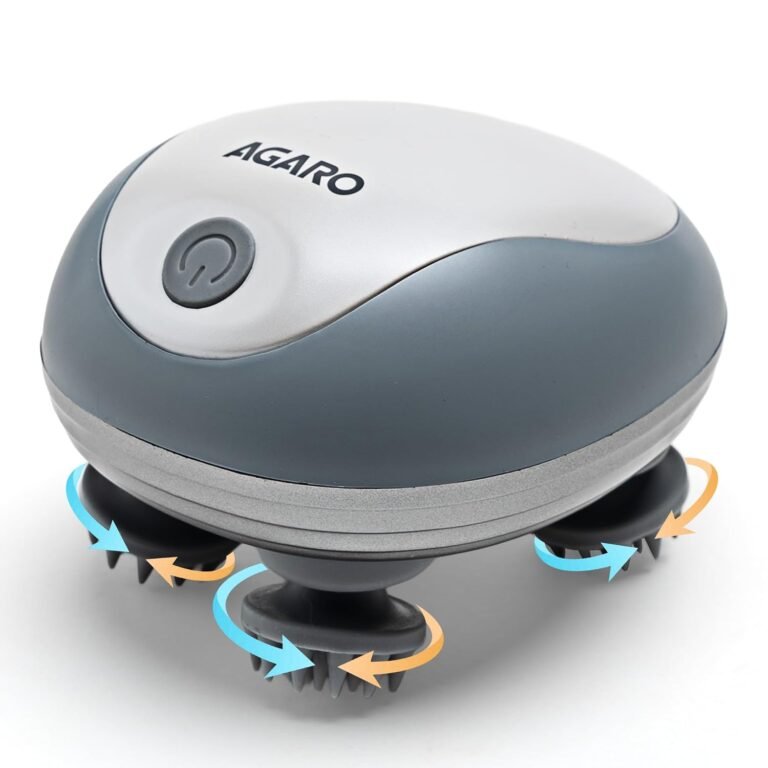
Handheld Manual Massagers
Manual rollers and massage sticks are often:
- cheaper;
- quieter;
- easier to control;
- battery-free.
They can be excellent if you do not need powered percussion.
A simple tool may be more useful than an expensive electronic device if you actually use it regularly.
3. Heat-Therapy Accessories
Heat can provide temporary comfort for:
- muscle tightness;
- stiffness;
- some types of everyday aches.
Common products include:
- electric heating pads;
- reusable heat packs;
- hot-water bottles;
- microwaveable wraps.
Electric Heating Pads
Look for:
- adjustable temperature;
- automatic shut-off;
- appropriate pad size;
- washable cover where available;
- flexible construction.
Automatic shut-off is particularly useful because it reduces the chance of prolonged unintended heating.
Reusable Heat Packs
These may be:
- microwaveable;
- chemically activated;
- hot-water based.
Check:
- maximum heating time;
- how evenly the pack heats;
- whether the cover protects the skin.
Never apply excessive heat directly to the skin.
Avoid Sleeping on Active Heat
Do not routinely sleep on:
- heating pads;
- hot packs;
unless the product is specifically designed and approved for that use.
Prolonged heat can increase burn risk, especially if sensation is reduced.
4. Cold-Therapy Accessories
Cold products can be useful for short-term comfort after:
- minor strains;
- exercise;
- some acute injuries.
Common formats include:
- gel packs;
- cold wraps;
- reusable compression sleeves.
What to Look For
Useful features include:
- flexible gel after freezing;
- washable cover;
- enough size to cover the intended area;
- secure straps.
Protect the Skin
Do not place an extremely cold pack directly against bare skin for prolonged periods.
Use:
- a cloth layer;
- protective sleeve;
- product cover.
Cold therapy should be uncomfortable only to a reasonable degree, not painful or numbing for long periods.
5. Relaxation Accessories
Relaxation products can support routines that help you slow down.
Examples include:
- eye masks;
- weighted blankets;
- sound machines;
- meditation cushions;
- aromatherapy accessories;
- soft recovery cushions.
The most effective product is usually the one that improves the environment rather than promising a physiological transformation.
Sleep Masks
Sleep masks can be useful when:
- your bedroom is not completely dark;
- you travel;
- morning light wakes you early.
Look for:
- comfortable pressure;
- adjustable strap;
- good light blocking;
- washable material.
A contoured mask may be preferable if you dislike pressure against the eyelids.
Weighted Blankets
Weighted blankets may feel calming for some people.
However, they can also feel:
- hot;
- restrictive;
- uncomfortable.
Choose based on:
- blanket weight;
- climate;
- bed size;
- washability.
They are not necessary for good sleep.
People with certain mobility or breathing limitations should be cautious with heavy blankets and seek appropriate advice if uncertain.
White-Noise Machines
White-noise machines can help mask:
- traffic;
- neighbours;
- intermittent environmental sound.
Look for:
- adjustable volume;
- continuous playback;
- timer if desired;
- variety of sound profiles.
Keep the volume at a comfortable level.
The goal is to mask disturbing sound, not create another loud noise source.
6. Meditation Accessories
Meditation does not require special equipment.
But accessories can make sitting more comfortable.
Common options include:
- meditation cushions;
- benches;
- mats;
- timers.
Meditation Cushions
A cushion can help elevate the hips and reduce discomfort in certain sitting positions.
Choose based on:
- firmness;
- height;
- width;
- removable washable cover.
If sitting on the floor is uncomfortable, a normal chair is perfectly acceptable.
Do not force a particular posture simply because it looks more traditional.
7. Posture and Desk Accessories
Posture-related products are heavily marketed, but this category deserves caution.
Examples include:
- lumbar cushions;
- footrests;
- monitor stands;
- posture braces;
- seat cushions.
The most useful products generally improve the workstation rather than forcing the body into one rigid position.
Lumbar Support
A lumbar cushion can help if your chair does not provide comfortable lower-back support.
Look for:
- moderate firmness;
- adjustable strap;
- shape that fits the chair.
More aggressive curvature is not always better.
Footrests
A footrest can be useful if your feet do not rest comfortably on the floor.
It may help improve:
- leg support;
- sitting comfort;
- workstation fit.
An inexpensive stable platform may work just as well as a heavily branded ergonomic accessory.
Monitor Stands
Raising a screen can help bring it into a more comfortable viewing position.
The ideal setup depends on:
- monitor size;
- chair height;
- desk height;
- viewing distance.
Avoid assuming that one exact posture is correct for every person.
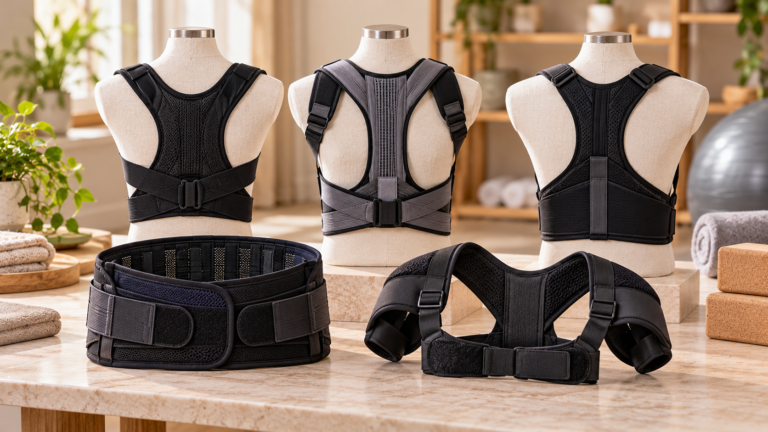
Be Cautious With Posture Correctors
Wearable posture braces often promise to:
- pull shoulders back;
- correct posture;
- eliminate slouching.
They may provide a temporary reminder, but long-term posture is influenced by:
- movement habits;
- strength;
- workstation setup;
- comfort;
- fatigue.
A brace should not become a substitute for movement.
If you experience persistent pain, numbness or weakness, simply buying a posture device may not address the underlying issue.
8. Breathing and Relaxation Devices
You may see products marketed for:
- breathing training;
- stress reduction;
- lung strengthening;
- mindfulness.
These range from simple pacing devices to resistance breathing trainers.
Be clear about the intended purpose.
Breathing Pacing Tools
Simple visual or tactile devices can help guide:
- slower breathing;
- mindfulness practice.
Their main value is behavioural.
You can often achieve the same thing with:
- a timer;
- an app;
- guided audio.
Respiratory Training Devices
Devices that add resistance to breathing are different.
They may be used in:
- sport;
- rehabilitation;
- respiratory training.
These should be used according to appropriate instructions.
People with respiratory or cardiovascular conditions should not assume that a resistance trainer is suitable without guidance.
9. Hydration Accessories
Hydration accessories can include:
- marked bottles;
- insulated tumblers;
- travel bottles;
- straw lids;
- bottle-cleaning tools.
The main value is convenience.
Choose based on:
- capacity;
- leak resistance;
- cleaning;
- portability.
A hydration accessory does not need to track your water intake electronically to be useful.
10. Aromatherapy Accessories
Aromatherapy products can include:
- diffusers;
- aroma stones;
- essential-oil accessories.
These can make a room smell pleasant and may support a relaxation routine.
But fragrance preference should not be confused with medical treatment.
Essential oils can cause:
- irritation;
- headaches;
- respiratory discomfort;
for some people.
They can also be unsafe for some pets depending on the oil and exposure.
Use cautiously and ventilate appropriately.
Evaluate Evidence Before Believing Big Claims
Wellness products often use broad claims such as:
- detoxifies;
- improves circulation;
- balances energy;
- boosts immunity;
- corrects posture;
- releases toxins;
- improves lymphatic drainage;
- improves metabolism.
Ask:
What exactly is the product supposed to do, and is that outcome realistically measurable?
A massage ball may genuinely help you apply pressure to a tight-feeling muscle.
That is different from claiming it “removes toxins.”
A sleep mask may genuinely block light.
That is different from claiming it dramatically changes hormone balance.
Prefer products with clear mechanical functions over vague biological promises.
Be Skeptical of “Detox” Accessories
Products marketed for detoxification may include:
- foot pads;
- ionic baths;
- bracelets;
- patches;
- massage tools.
The body’s main systems for processing and eliminating waste involve organs such as:
- liver;
- kidneys;
- lungs;
- gastrointestinal tract.
A consumer accessory generally does not “pull toxins” out of the body simply because it changes colour, produces sweat or applies pressure.
If a product’s main selling point is vague detox language, scrutinize the evidence carefully.
Red-Light and Light-Based Wellness Devices
Some home wellness accessories use red or near-infrared light.
These devices vary widely in:
- wavelength;
- power;
- treatment area;
- intended use;
- evidence.
Do not assume every red glowing device delivers the same exposure as equipment used in clinical studies.
If buying one, check:
- wavelength information;
- irradiance where provided;
- treatment distance;
- recommended duration;
- safety guidance;
- eye-protection requirements.
This category requires more scrutiny than a simple mechanical accessory.
Acupressure Mats
Acupressure mats contain many small raised points.
Some users find them:
- relaxing;
- stimulating;
- useful for temporary comfort.
Others find them uncomfortable.
If trying one:
- begin through clothing;
- start with short sessions;
- avoid damaged skin.
People with bleeding disorders, impaired sensation or certain medical conditions should be cautious and seek advice where appropriate.
Compression Accessories
Compression products include:
- socks;
- sleeves;
- recovery boots.
These products range from basic fitness accessories to medical-grade compression garments.
Do not treat them as interchangeable.
Medical compression may require:
- appropriate pressure level;
- correct sizing;
- professional recommendation.
A generic sports sleeve is not equivalent to prescribed compression therapy.
Eye-Care and Screen Accessories
You may see:
- blue-light glasses;
- screen filters;
- eye massagers;
- cooling eye masks.
For screen-related discomfort, basic factors often matter more:
- screen distance;
- glare;
- breaks;
- blinking;
- room lighting.
A cooling eye mask may feel pleasant.
But it should not be treated as a treatment for persistent:
- eye pain;
- visual changes;
- severe headaches.
Wellness Accessories for Travel
Travel accessories may be especially useful because normal routines are disrupted.
Practical options include:
- sleep mask;
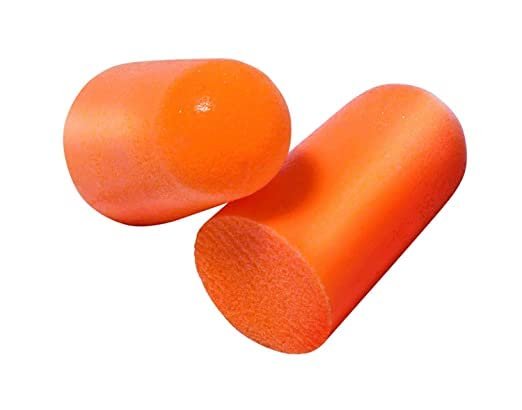
- earplugs;
- compact water bottle;
- neck support;
- resistance band;
- small massage ball.
Choose products that are:
- compact;
- lightweight;
- durable;
- easy to clean.
Avoid packing several “wellness” devices that create more luggage than benefit.
Wellness Accessories for Small Homes
If space is limited, prioritize multi-use products.
Examples:
- resistance band for strength and mobility;
- yoga mat for stretching and floor exercises;
- massage ball instead of a large massage machine;
- reusable heat/cold pack rather than separate devices.
Storage is part of the buying decision.
A product that permanently occupies valuable floor space may not be practical even if it works well.
Choose Accessories That Are Easy to Maintain
Maintenance affects whether a product remains hygienic and usable.
Check whether:
- covers are washable;
- surfaces can be wiped;
- foam absorbs sweat;
- electronic components can be cleaned;
- replacement parts are available.
Products that regularly contact:
- skin;
- sweat;
- feet;
should be especially easy to clean.
Material Quality
Evaluate material based on function.
For example:
Foam Products
Check:
- density;
- deformation;
- surface durability.
Fabric Accessories
Check:
- stitching;
- washability;
- breathability.
Rubber or Silicone
Check:
- grip;
- odour;
- resistance to cracking.
Electronic Accessories
Check:
- battery;
- charging port;
- cable quality;
- warranty.
Do not pay extra for premium-looking material if it does not improve durability or function.
Portability
Ask where the accessory will actually be used.
If you travel frequently, consider:
- weight;
- dimensions;
- whether it needs power;
- whether it fits in a gym bag.
A compact product may be more valuable than a larger “premium” version simply because you will use it more often.
Storage Matters
Before buying, decide where the item will live.
If you do not have a realistic storage location, usage often drops.
Products such as:
- rollers;
- cushions;
- massagers;
- stretching sticks;
can quickly create clutter.
Easy access is useful, but permanent clutter is not.
Battery-Powered Wellness Accessories
Electronic accessories may rely on:
- replaceable batteries;
- rechargeable batteries;
- mains power.
Look at:
- runtime;
- charging time;
- charging connector;
- replacement availability.
A device that constantly needs charging may eventually stop being used.
USB-C charging can be convenient if you already use compatible cables.
App-Connected Wellness Accessories
Some products add an app for:
- tracking;
- programs;
- reminders;
- guided sessions.
Ask whether the app actually improves the product.
A massage device does not necessarily need an account.
A breathing timer may not need Bluetooth.
Consider:
- privacy;
- account requirements;
- app longevity;
- firmware support.
Avoid paying for connectivity unless it meaningfully improves the routine.
Safety Certifications and Electrical Products
For powered wellness products, check:
- electrical safety information;
- voltage compatibility;
- overheating protection;
- warranty;
- reputable seller.
This matters particularly for:
- heating pads;
- electric massagers;
- rechargeable devices.
Do not use damaged:
- cables;
- plugs;
- batteries.
How to Think About Price
Wellness accessories often have enormous price ranges.
A simple massage ball may cost a fraction of a powered massager.
Both may serve a similar purpose in some routines.
Evaluate price according to:
- frequency of use;
- build quality;
- durability;
- convenience;
- replacement cost.
Avoid paying primarily for:
- influencer popularity;
- luxury packaging;
- vague health claims.
Cost Per Use
A useful way to think about value is:
purchase price ÷ realistic number of uses
For example:
A ₹3,000 tool used twice may cost ₹1,500 per use.
A ₹600 tool used 100 times costs ₹6 per use.
The cheaper product is not automatically better, but frequency of use matters enormously.
Start Simple Before Upgrading
If you are unsure whether a type of accessory will help you, begin with a simpler version.
Examples:
- basic massage ball before expensive massage gun;
- standard eye mask before electronic sleep device;
- ordinary stretching strap before multi-function mobility system.
Once you know the accessory genuinely fits your routine, upgrading becomes more rational.
Wellness Accessories and Pain
This is an important boundary.
Accessories can support comfort.
They should not be used to self-treat persistent unexplained symptoms indefinitely.
Seek appropriate assessment for symptoms such as:
- severe pain;
- persistent pain;
- numbness;
- weakness;
- loss of coordination;
- swelling;
- inability to bear weight;
- pain following significant injury.
A massage tool may make an area temporarily feel better without addressing the underlying problem.
Avoid Painful “No Pain, No Gain” Use
Wellness tools are often used too aggressively.
Examples include:
- rolling until bruised;
- massage-gun use at maximum power;
- extremely tight straps;
- intense stretching.
More intensity does not automatically create more benefit.
A useful accessory should generally improve:
- comfort;
- movement;
- relaxation;
rather than create new pain.
Common Wellness Accessory Buying Mistakes
Buying Without a Specific Purpose
If you cannot explain exactly when you will use it, wait.
Buying Because It Is Trending
Social-media popularity does not guarantee practical value.
Buying the Most Advanced Version First
Start with the simplest tool that solves the problem.
Believing Vague Health Claims
Prefer clear functions over phrases such as “detox,” “energy balancing” or “metabolic activation.”
Ignoring Maintenance
If it is difficult to clean or charge, usage often declines.
Buying Too Many Similar Products
You probably do not need:
- three massage rollers;
- multiple stretching straps;
- several recovery devices;
that all serve the same function.
Ignoring Storage
Large wellness accessories quickly become household clutter.
Using a Tool Instead of Addressing the Cause
A lumbar cushion may help, but you may also need:
- movement breaks;
- better chair height;
- screen adjustment.
Using Recovery Tools Too Aggressively
Pressure and intensity should be controlled.
Quick Wellness Accessory Decision Guide
| Your goal | Accessories worth considering |
|---|---|
| Stretching | Yoga/stretching strap |
| Targeted muscle pressure | Massage ball |
| Broad muscle recovery | Foam roller |
| Powered recovery | Massage gun |
| Local muscle warmth | Heating pad or reusable heat pack |
| Short-term cooling | Reusable cold pack |
| Better sleep darkness | Sleep mask |
| Noise masking | White-noise machine |
| Comfortable meditation | Cushion or bench |
| Desk comfort | Footrest/lumbar support |
| Hydration convenience | Reusable bottle |
| Travel wellness | Compact sleep/mobility accessories |
Before You Buy: Final Checklist
Ask yourself:
- What specific problem am I solving?
- What part of my current routine will this support?
- Do I already own something that performs the same function?
- How often will I realistically use it?
- Is there evidence for the claimed benefit?
- Are the claims specific or vague?
- Is the product appropriately sized?
- Can I control the intensity?
- Is it easy to clean?
- Where will I store it?
- Does it require charging or replacement parts?
- Is there a simpler alternative?
- Is the price reasonable for expected use?
- Are there any medical or safety reasons I should avoid it?
Frequently Asked Questions
Do I need wellness accessories?
No. Most are optional. They are useful when they make an existing healthy routine easier, more comfortable or more consistent.
Are expensive wellness products better?
Not necessarily. A simple mechanical tool can sometimes provide the same practical function as a much more expensive device.
Are massage balls useful?
They can be useful for applying targeted pressure to certain muscles. Avoid excessive pressure or sensitive anatomical areas.
Is a massage gun necessary for recovery?
No. It can be convenient, but recovery still depends primarily on factors such as appropriate training, sleep and nutrition.
Are posture correctors effective?
They may provide a temporary posture reminder, but they do not replace movement, strength or good workstation setup.
Are acupressure mats useful?
Some people find them relaxing or comfortable, but they should not be treated as a treatment for underlying medical conditions.
Do wellness accessories improve sleep?
Certain accessories such as sleep masks or white-noise machines can improve the sleep environment. They do not replace consistent sleep habits.
Are heating pads safe?
They can be used safely when the manufacturer’s instructions are followed. Avoid excessive temperature and prolonged unsupervised use.
Can I use a cold pack directly on my skin?
It is generally safer to use a protective layer or the supplied cover to reduce the risk of cold injury.
Do I need a meditation cushion?
No. It can improve sitting comfort, but meditation can also be done on an ordinary chair.
Are app-connected wellness devices worth it?
Only when the app provides a feature you will genuinely use. Connectivity alone does not improve the underlying function.
What should I buy first for a simple wellness setup?
Start with the problem you actually have. For many people, a basic mat, reusable bottle, stretching strap or simple recovery tool provides more practical value than specialized electronic equipment.
When should I stop using a wellness accessory?
Stop if it causes:
- significant pain;
- numbness;
- skin injury;
- dizziness;
- unusual symptoms.
Persistent symptoms should be evaluated appropriately rather than repeatedly treated with an accessory.
The Physical Glow Takeaway
The best wellness accessories are usually the least complicated ones: products with a clear function that make an existing routine easier to maintain.
Start with the problem rather than the product. If you need help stretching, a simple strap may be enough. If light disrupts your sleep, a comfortable sleep mask may provide more practical value than an expensive sleep gadget. If muscle recovery is the goal, begin with a basic roller or massage ball before assuming you need powered equipment.
Be skeptical of accessories built around vague promises such as detoxification, metabolic activation or instant posture correction. Look instead for realistic functions, safe construction, easy maintenance and a clear reason you will use the product.
Most importantly, remember that accessories are supporting tools. They cannot replace good sleep, regular movement, appropriate exercise, sensible nutrition or medical care when symptoms require it.
A worthwhile wellness accessory should make your routine simpler, more comfortable or more consistent—not merely give you another product to maintain.