Elliptical vs Stepper: Which Is Better for Home Cardio?
An elliptical cross trainer and an aerobic stepper can both be used for home cardio, but they are very different pieces of equipment.
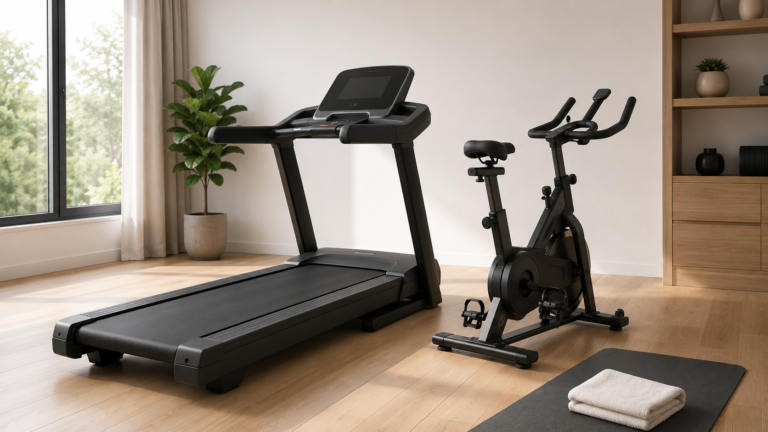
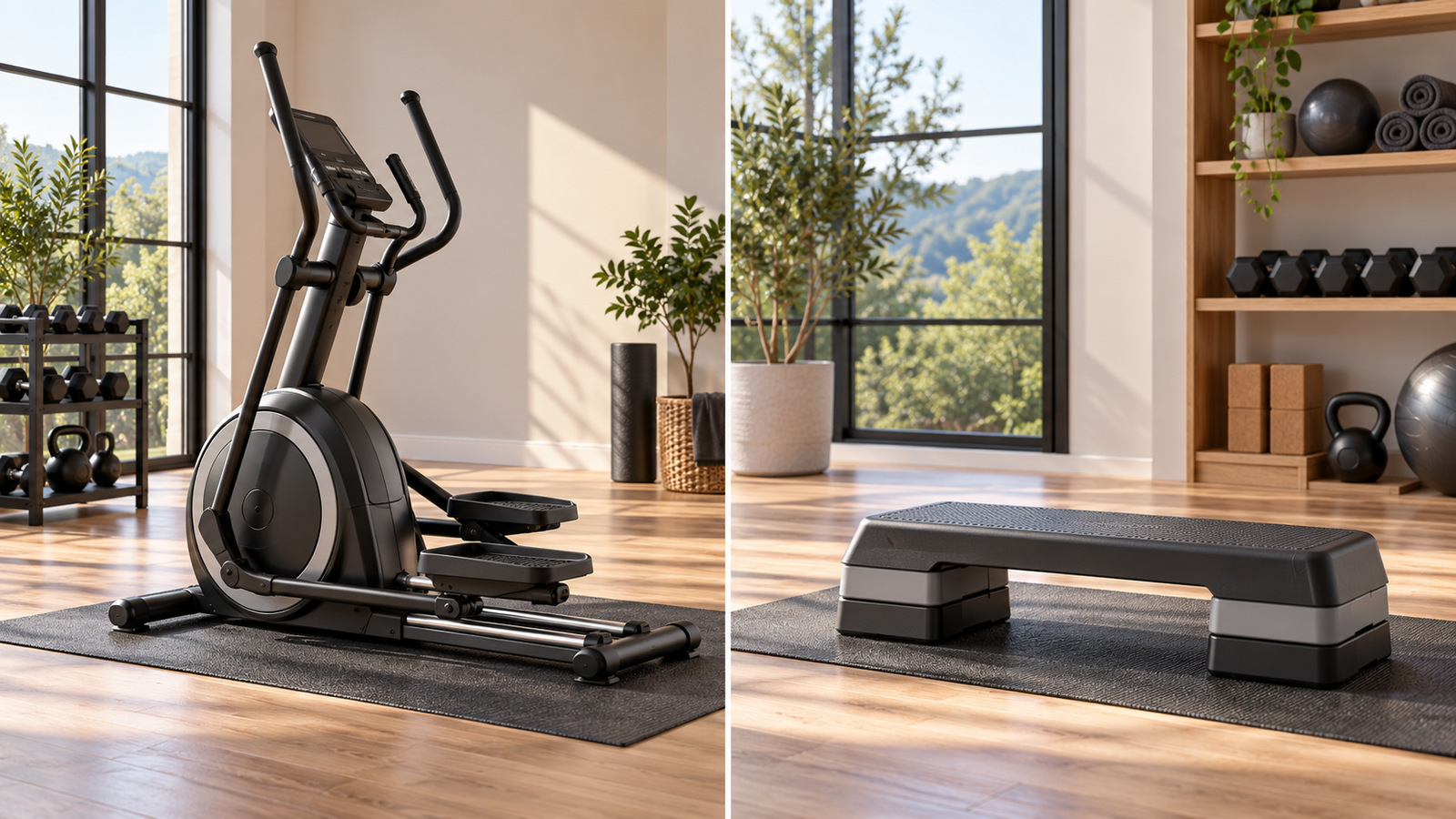
An elliptical is a full-size cardio machine with moving pedals and resistance.
A stepper is usually a compact raised platform used for:
- Step-ups
- Aerobic routines
- Lower-body conditioning
- Bodyweight exercises
- Some strength-training variations
The better choice depends on your available space, budget, preferred movement style and whether you want a dedicated cardio machine or a more versatile compact accessory.
This guide compares ellipticals and steppers so you can decide which makes more sense for your home workout setup.
What Is an Elliptical Cross Trainer?
An elliptical is a stationary cardio machine designed around a continuous oval pedal motion.
Most models include:
- Large foot pedals
- Moving or fixed handles
- Adjustable resistance
- A flywheel or resistance unit
- A basic workout display
Some machines also include:
- Heart-rate sensors
- Preset programs
- Bluetooth
- App connectivity
- Multiple resistance levels
Because your feet remain supported by the pedals throughout the movement, ellipticals are often chosen by people looking for indoor cardio without the repeated impact of running.
What Is an Aerobic Stepper?
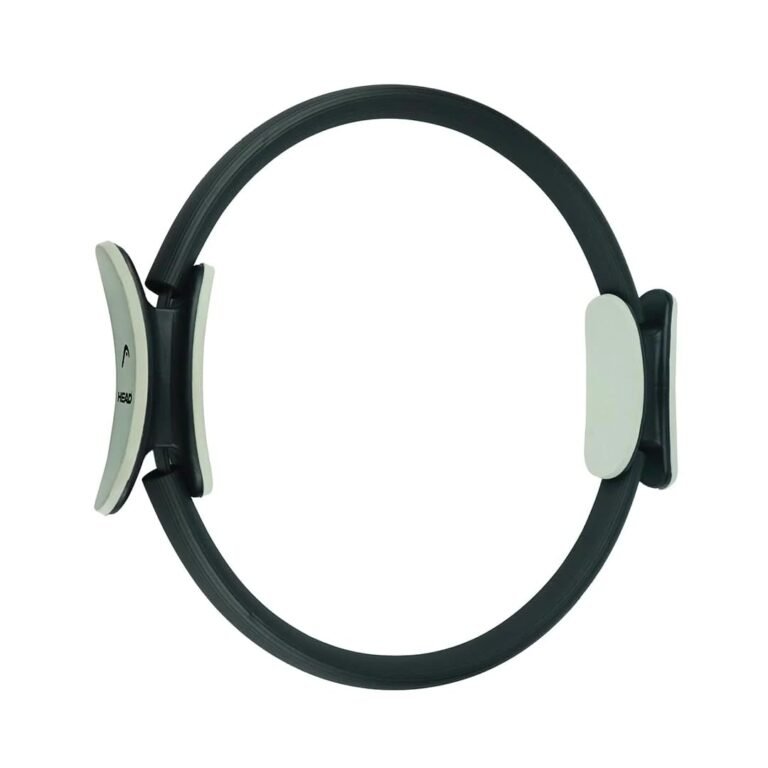
An aerobic stepper is a raised exercise platform.
It may have:
- One fixed height
or
- Stackable risers for several height settings
It can be used for exercises such as:
- Step-ups
- Side steps
- Knee drives
- Aerobic combinations
- Elevated lunges
- Incline push-ups
- Split-squat variations
Compared with an elliptical, it is much smaller, simpler and easier to store.
However, it does not provide built-in resistance in the same way a cardio machine does.
Elliptical vs Stepper: The Biggest Difference
The most important difference is the type of equipment.
An elliptical is a dedicated cardio machine.
A stepper is a compact exercise platform.
That means an elliptical provides:
- Guided pedal movement
- Adjustable mechanical resistance
- Continuous cardio motion
- A fixed exercise pattern
A stepper provides:
- Open movement
- More exercise variety
- Adjustable difficulty through height or pace
- No motor or resistance mechanism
Neither format is automatically better.
They solve different problems.
Which Takes Up Less Space?
The stepper wins very clearly.
A typical aerobic step platform can be:
- Picked up easily
- Moved between rooms
- Stored under furniture
- Placed against a wall
- Used in relatively small spaces
An elliptical needs considerably more floor area.
You need enough room for:
- The machine itself
- Moving handles
- Pedal movement
- Getting on and off
- Safe clearance around the machine
If you live in a small apartment, a stepper may be far more practical.
Which Is Easier to Store?
Again, the stepper usually wins.
Many platforms are compact enough for simple storage.
Ellipticals may have:
- Transport wheels
- Folding components
- Compact frames
but they are still large pieces of equipment.
Even a relatively compact elliptical is unlikely to be something you move after every workout.
If your equipment must disappear after exercise, choose accordingly.
Which Is Better for Dedicated Cardio?
The elliptical is generally the stronger option.
It is designed specifically for continuous cardiovascular training.
You can typically adjust:
- Resistance
- Workout duration
- Pace
- Programs
This makes it easier to perform:
- Steady-state cardio
- Interval workouts
- Warm-ups
- Longer indoor sessions
A stepper can also provide intense cardio, but the workout depends much more on the routine you perform.
Which Provides More Exercise Variety?
The stepper is more versatile.
An elliptical mainly performs one movement pattern.
You can vary:
- Resistance
- Speed
- Direction on some models
- Handle usage
but it remains an elliptical movement.
A step platform can be used for many different exercises.
For example:
Cardio
- Basic step-ups
- Side-to-side steps
- Knee raises
- Aerobic sequences
Lower-Body Strength
- Split squats
- Step-ups
- Reverse lunges
- Elevated lunges
Upper Body
Depending on the platform’s stability and manufacturer guidance:
- Incline push-ups
- Elevated mountain climbers
This can make the stepper particularly useful in a small multi-purpose home gym.
Which Is Lower Impact?
An elliptical is generally considered lower impact because the feet remain in contact with the pedals.
There is no repeated landing against the floor as there is with:
- Running
- Jumping
- Fast step routines
This can make the elliptical appealing to people who prefer smoother continuous movement.
However, low impact does not mean zero joint stress.
Resistance, machine geometry, previous injuries and individual movement quality still matter.
Is a Stepper High Impact?
Not necessarily.
A controlled step-up can be relatively low impact.
Impact increases when workouts include:
- Fast stepping
- Hopping
- Jumping
- Rapid direction changes
You can make a stepper workout gentler by:
- Reducing platform height
- Slowing the pace
- Avoiding jumping
- Maintaining controlled foot placement
The platform itself does not determine the impact level; the workout style does.
Which Is Better for the Knees?
There is no universal answer.
Some people find elliptical movement comfortable because:
- Feet stay supported
- Movement is guided
- There is less landing impact
Others may prefer controlled step-ups.
Knee comfort depends on:
- Resistance
- Platform height
- Exercise technique
- Machine geometry
- Existing injuries
- Mobility
- Strength
If an exercise consistently causes pain, do not assume you simply need to “push through.”
Persistent knee pain should be professionally assessed.
Resistance: Elliptical vs Stepper
This is another major difference.
Elliptical Resistance
Ellipticals often use magnetic or another mechanical resistance system.
This allows you to increase difficulty through a dial or console.
A machine may offer several resistance levels.
Higher resistance generally requires more effort per stride.
Stepper Resistance
An aerobic step platform usually has no built-in resistance.
Difficulty is adjusted through:
- Platform height
- Movement speed
- Exercise choice
- Workout duration
- Added resistance such as dumbbells where appropriate
This provides flexibility but requires you to design your own progression.
Which Is Easier for Beginners?
Both can be beginner friendly.
Elliptical
The movement is guided.
Once you understand:
- Foot placement
- Resistance adjustment
- Posture
you can start with a relatively easy setting.
Stepper
A simple step-up movement is also easy to learn.
However, fast choreographed routines may require more:
- Coordination
- Balance
- Rhythm
A beginner can simply start with slow basic step-ups.
There is no need to perform complex aerobic choreography immediately.
Which Requires More Balance?
A stepper generally requires more active balance and foot placement.
Every repetition involves:
- Stepping onto the platform
- Controlling the body
- Stepping down
This can make the workout useful for movement control, but it also means beginners should avoid starting with an unnecessarily high platform.
An elliptical supports the feet more continuously.
This often makes it easier to maintain a repetitive cardio rhythm.
Which Works the Lower Body More?
Both involve the lower body.
An elliptical commonly engages:
- Quadriceps
- Glutes
- Hamstrings
- Calves
A stepper can emphasise:
- Quadriceps
- Glutes
- Hamstrings
- Calves
depending on:
- Step height
- Exercise
- Speed
- Added load
Higher step-ups may increase lower-body demand, but higher is not always better.
A height you can control properly is more useful than a platform that forces poor technique.
Does an Elliptical Work the Upper Body?
If the machine has moving handles, your arms can participate in the exercise.
This may involve:
- Shoulders
- Arms
- Upper back
However, the primary training effect remains cardiovascular and lower-body dominant.
It should not replace dedicated upper-body strength training.
Does a Stepper Work the Upper Body?
Not by itself during basic stepping.
You can add upper-body movements or use the platform for selected exercises, but it does not automatically provide an upper-body cardio component.
If full-body machine movement is important to you, an elliptical with moving handles may be more appealing.
Which Burns More Calories?
There is no fixed answer.
Energy expenditure depends on:
- Body size
- Workout duration
- Resistance
- Step height
- Exercise pace
- Fitness level
- Technique
A hard step workout can require more effort than an easy elliptical session.
Likewise, a high-resistance elliptical workout can be far more demanding than casual stepping.
Avoid buying exercise equipment based only on advertised calorie numbers.
Consistency matters more.
Which Is Better for Weight Loss?
Neither guarantees weight loss.
Both can help increase physical activity.
Body-weight changes are influenced by:
- Energy intake
- Total activity
- Training consistency
- Sleep
- Individual factors
The more useful question is:
Which piece of equipment are you more likely to use consistently?
If you enjoy 30-minute elliptical sessions, the elliptical may be better for you.
If you prefer short step circuits and strength workouts, the stepper may fit better.
Which Is Better for Long Workouts?
An elliptical is usually more comfortable for continuous long-duration cardio.
It provides:
- Repetitive guided movement
- Resistance adjustment
- A console
- Stable rhythm
Steppers can also support longer workouts, especially aerobic routines, but repeated stepping can become tiring or repetitive depending on the person.
Which Is Better for Short Workouts?
A stepper can be excellent for short sessions.
For example, you might perform:
- 30 seconds step-ups
- 30 seconds rest
- Repeat
or combine it with:
- Squats
- Push-ups
- Lunges
- Dumbbell exercises
This makes a stepper useful in circuit workouts.
An elliptical also works well for short interval sessions.
Which Is Better for HIIT?
Both can be used for interval-style training.
On an elliptical, you can alternate:
- Higher resistance or faster pace
- Easier recovery periods
On a stepper, you can alternate:
- Fast steps
- Slow steps
- Different movement patterns
- Rest periods
However, high-intensity training is not necessary for every session.
Beginners should build basic fitness and movement control first.
Which Is Better for Apartments?
A step platform is usually the easier choice.
Advantages include:
- Small footprint
- Easy storage
- No electronics
- Easy transport
However, noise can increase if you:
- Jump
- Step heavily
- Drop the platform
- Exercise directly on hard flooring
Using a suitable exercise mat may help.
An elliptical can be relatively quiet, especially with magnetic resistance, but its size may be a larger concern.
Which Is Better for a Dedicated Home Gym?
An elliptical can make more sense when:
- You have permanent floor space
- You want dedicated cardio equipment
- You already have strength equipment
- You prefer machine-based training
A stepper still remains useful as an inexpensive accessory.
In fact, a complete home gym can use both.
They do not necessarily replace each other.
Cost Difference
A step platform is much less complex.
It contains:
- No motor
- No resistance system
- Few moving components
- No electronics on most models
This usually makes it far less expensive.
An elliptical includes:
- Frame
- Pedal mechanism
- Resistance unit
- Moving handles
- Console
- Bearings and joints
It represents a much larger investment.
If your budget is limited, a stepper provides more exercise options for relatively little equipment.
Maintenance
Elliptical
An elliptical has many moving components.
Maintenance may include:
- Tightening bolts
- Cleaning rails or joints
- Checking pedal movement
- Inspecting resistance components
- Wiping sweat from the frame
- Following lubrication instructions
Electrical models may also require console or power-system support.
Stepper
An aerobic step platform requires very little mechanical maintenance.
Check for:
- Cracked plastic
- Damaged risers
- Worn grip surfaces
- Loose components
Keep the platform clean and dry before use.
Durability
A good stepper can last a long time because of its simple construction.
There are fewer parts to fail.
An elliptical can also last for years, but durability depends more heavily on:
- Frame quality
- Bearings
- Resistance system
- Joints
- User weight
- Maintenance
For larger equipment, warranty and service support become much more important.
Maximum User Weight
Ellipticals commonly specify a maximum user-weight capacity.
Always check this before buying.
Choose equipment that comfortably supports the intended user.
For step platforms, manufacturers may also specify a maximum load.
Do not assume that a thick plastic platform can support unlimited weight, especially when additional dumbbells are being used.
Stepper Height
Adjustable platforms often use removable risers.
Common heights may vary depending on the model.
A lower platform is usually:
- Easier to learn
- Less demanding
- More manageable for faster routines
A higher platform increases:
- Range of motion
- Lower-body effort
- Balance requirements
Increase height gradually.
Is a Higher Step Better?
No.
A higher platform is not automatically more effective.
If the platform is too high, you may:
- Push excessively through the trailing leg
- Lose balance
- Round or twist the body
- Struggle to control the descent
Use a height that allows stable movement.
Elliptical Stride Length
Stride length affects comfort.
A machine that feels comfortable for one person may feel cramped for someone taller.
When possible, check:
- Machine dimensions
- Manufacturer height recommendations
- Pedal spacing
- Stride specifications
Compact ellipticals may save space but can also have shorter movement paths.
Elliptical Flywheel and Resistance
Many home ellipticals use magnetic resistance combined with a flywheel.
A heavier flywheel is sometimes marketed as automatically better.
It can influence smoothness, but the total machine design matters more.
Consider:
- Resistance quality
- Frame stability
- Pedal movement
- Bearings
- Ergonomics
Do not choose solely based on flywheel weight.
Display and Tracking
An elliptical may display:
- Time
- Distance
- Speed
- Calories
- Pulse
- Resistance level
This can help monitor sessions.
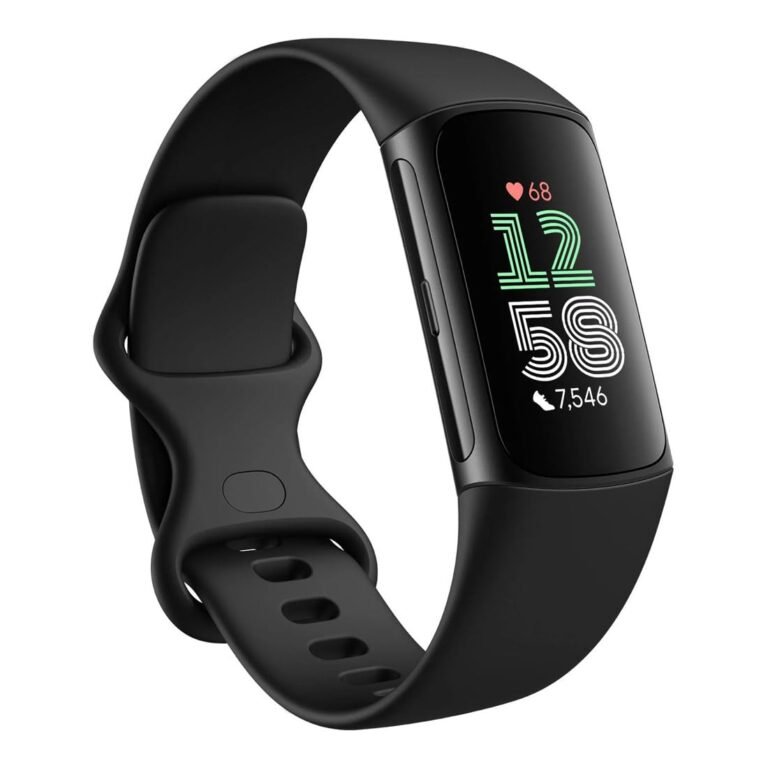
A stepper usually provides no tracking unless you use:
- Fitness watch
- Phone
- Timer
- Separate heart-rate monitor
This may matter if you enjoy structured cardio data.
Smart Features
Some ellipticals include:
- Bluetooth
- Fitness apps
- Guided workouts
- Training programs
These can increase motivation but are not essential.
Before paying extra, check:
- Whether an app is required
- Whether a subscription is required
- Which features work offline
- Whether the app supports your phone
The machine should still be useful even if you stop using the app.
Which Is Better for Strength Training?
The stepper is more versatile as a strength-training accessory.
It can potentially be used for:
- Step-ups
- Split squats
- Elevated lunges
- Incline push-ups
- Supported exercises
An elliptical is not designed to replace resistance training.
Increasing elliptical resistance makes cardio harder, but that is not the same as progressive strength training with weights.
Which Is Better for Older Adults?
This depends entirely on the individual.
An elliptical may provide:
- Supported foot placement
- Handles for stability
- Smooth motion
However, getting onto some machines can be difficult.
A step platform can be simple but requires more balance when stepping up and down.
Older adults with:
- Balance difficulties
- Joint problems
- Cardiovascular conditions
- Previous injuries
should choose exercises appropriate to their health and seek professional guidance where necessary.
Common Elliptical Buying Mistakes
Ignoring Machine Dimensions
Ellipticals often appear smaller in product photographs than they really are.
Measure the room.
Choosing Only by Resistance Levels
More resistance settings do not automatically mean better quality.
Ignoring Pedal Comfort
Pedal position affects the entire workout experience.
Buying for Smart Features Instead of Ergonomics
Bluetooth cannot fix an uncomfortable machine.
Forgetting Service Requirements
Large cardio equipment can be difficult to repair without local support.
Common Stepper Buying Mistakes
Choosing a Platform That Is Too Small
You need enough surface area for confident foot placement.
Using Too Much Height Too Soon
More height increases difficulty but can reduce control.
Ignoring Non-Slip Features
The platform must remain stable during movement.
Jumping on a Platform Not Designed for It
Use the product only within its intended specifications.
Adding Heavy Weights Without Checking Capacity
Your body weight plus external resistance contributes to the total load on the platform.
Elliptical vs Stepper for Small Homes
Choose the stepper if:
- Storage is the main priority
- You have very limited floor space
- You want equipment that can be moved easily
- You want exercise variety
Choose the elliptical if:
- You have permanent workout space
- You want dedicated cardio
- You prefer machine-guided movement
- Adjustable resistance is important
Elliptical vs Stepper for Beginners
Choose the elliptical if you prefer:
- Guided motion
- Simple continuous cardio
- Resistance adjustment
- Less choreography
Choose the stepper if you prefer:
- Short workouts
- Simple equipment
- Basic step-ups
- Bodyweight circuits
- Lower cost
Both can work well.
Elliptical vs Stepper for Cardio Fitness
An elliptical is generally the more complete dedicated cardio machine.
It is easier to perform controlled:
- 20-minute sessions
- 30-minute sessions
- Interval workouts
- Steady cardio
A stepper can be just as challenging, but the user determines the movement pattern and intensity.
Can You Own Both?
Yes.
They actually complement each other well.
An elliptical provides:
- Dedicated continuous cardio
A stepper provides:
- Compact exercise variety
- Step-ups
- Circuit training
- Strength accessories
If you already own an elliptical, a step platform can still be useful.
If you already own a stepper but struggle to maintain longer cardio sessions, an elliptical may add something different.
Frequently Asked Questions
Is an Elliptical Better Than a Stepper?
Not universally.
An elliptical is generally better as a dedicated cardio machine.
A stepper is better for compact storage, exercise variety and lower cost.
Is a Stepper Good for Cardio?
Yes.
Continuous or interval step exercises can significantly increase heart rate.
Workout intensity depends on pace, height and exercise selection.
Is an Elliptical Low Impact?
Ellipticals reduce repeated landing impact because the feet remain supported on the pedals.
That does not guarantee that every user will find the movement pain-free.
Can a Stepper Build Leg Strength?
Step-ups and similar exercises can challenge the lower body, particularly when progressed appropriately.
However, a stepper does not replace a complete strength-training program.
Which Is Better for Weight Loss?
Neither has a unique weight-loss advantage.
Choose the equipment that helps you exercise consistently alongside an appropriate overall lifestyle.
Is an Elliptical Good for Small Apartments?
It can work if there is enough permanent floor space.
A stepper is significantly easier to store.
Can Beginners Use an Aerobic Step?
Yes.
Start with a low platform and simple controlled step-ups before adding speed or complex movement patterns.
Do I Need an Exercise Mat?
A mat can help protect flooring and improve stability beneath either type of equipment, depending on the floor surface.
Final Takeaway
An elliptical and an aerobic stepper are not direct substitutes.
An elliptical is the better choice when you want:
- Dedicated indoor cardio
- Adjustable resistance
- Continuous guided movement
- Longer workouts
- Lower-impact machine exercise
- Workout tracking
A stepper makes more sense when you want:
- Compact equipment
- Easy storage
- Lower cost
- Exercise variety
- Step-ups and circuit training
- Minimal maintenance
For a dedicated home gym with enough room, an elliptical can provide a convenient long-term cardio station.
For a small apartment or multi-purpose workout room, a step platform offers exceptional versatility without permanently occupying floor space.
The best choice is therefore not simply the machine that looks more advanced. It is the one that fits your available space, preferred workouts and likelihood of consistent use.