Electric Toothbrush Brush Head Wear: Replacement and Travel Storage
Electric toothbrushes are designed to make daily brushing convenient, but the removable brush head does not remain in the same condition indefinitely.
With repeated use, its bristles gradually bend, spread or lose their original shape. Toothpaste residue may collect around the attachment, and frequent travel can expose the head to additional handling and storage conditions.
A brush head can still rotate or vibrate even when its bristles have become worn.
That is why knowing when to replace an electric toothbrush head is important for maintaining an effective oral-hygiene routine.
The American Dental Association recommends replacing toothbrushes approximately every three to four months, or sooner when the bristles become visibly matted or frayed. Many electric toothbrush manufacturers recommend replacing their specific brush heads approximately every three months under normal use.
However, this is a general maintenance guideline, not a guarantee that every brush head lasts exactly the same number of days.
Actual wear depends on brushing habits, applied pressure, the brush-head design and manufacturer instructions.
Cleaning and storage are equally relevant. Rinsing a brush head after use, allowing it to air-dry and avoiding prolonged damp storage can support good maintenance habits.
This guide explains when to replace electric toothbrush heads, how to recognize worn bristles, why compatibility matters, how to clean the connection area, and how to protect your toothbrush during travel without keeping it permanently enclosed while wet.
Why Brush-Head Condition Matters More Than Appearance Alone
An electric toothbrush head is a replaceable component that transfers the device’s cleaning action to the teeth and gumline.
Depending on the model, the head may oscillate, rotate, vibrate or use another manufacturer-specific motion.
The bristles are designed to contact tooth surfaces and help remove dental plaque when used with appropriate technique.
However, repeated brushing places mechanical stress on the bristles.
How brushing affects bristles
Bristles repeatedly bend and recover as they contact teeth.
Over time, some may lose their original alignment.
Others may become visibly bent or spread away from the intended bristle pattern.
The result can be a brush head that no longer makes contact with tooth surfaces in the way it was designed to.
The American Dental Association notes that toothbrush effectiveness decreases as bristles become worn.
This is why a brush head that still operates mechanically may nevertheless require replacement.
Why motor performance is not enough
An electric toothbrush handle can continue producing its normal movement even when the attached brush head is old.
A functioning motor does not establish that the bristles remain in suitable condition.
Similarly, a brush head may look reasonably clean but have experienced substantial repeated use.
For routine maintenance, consider both the length of use and the physical condition of the bristles.
Does visible cleanliness mean the head is still effective?
Not necessarily.
A brush head can be free from obvious toothpaste residue while its bristles are deformed.
Cleaning removes residue and debris, but it does not restore worn bristles to their original structure.
The two maintenance activities have different purposes:
- Cleaning helps remove accumulated toothpaste and other material.
- Replacement addresses bristle wear and the recommended service life of the head.
A good routine involves both rather than treating one as a substitute for the other.
Can a brush head wear out before three months?
Yes.
Someone who applies excessive pressure may notice bristle deformation sooner.
A brush head may also become damaged through improper handling or storage.
If the bristles are visibly frayed, do not continue using the head simply because it has not reached the usual replacement date.
Conversely, the absence of obvious fraying does not automatically justify using it indefinitely.
Follow the manufacturer’s guidance.
Fraying, Deformation and Other Wear Signs
Visual inspection is one of the easiest ways to monitor brush-head condition.
You do not need specialized equipment.
A quick look at the bristles, head attachment and overall structure can help identify damage.
Bristles spreading outward
One common sign of wear is splaying.
This occurs when bristles spread away from their original orientation.
A new brush head may have a compact, organized arrangement, while an older one may appear wider or irregular.
Some spreading can develop gradually.
If the bristles have become noticeably distorted, replacement may be appropriate even before the regular maintenance interval.
Bent or flattened bristles
Bristles can become bent after repeated contact with teeth.
In some cases, they no longer return fully to their original position.
This may affect the way they contact tooth surfaces during brushing.
However, different brush-head designs have different bristle arrangements.
Some intentionally use angled or multi-level bristles.
Do not mistake a manufacturer’s original design for damage.
If possible, compare the used head with a new identical replacement.
Uneven bristle height
If certain bristles appear substantially shorter, broken or uneven compared with their original design, inspect the head carefully.
Normal manufacturing patterns may include different bristle lengths.
But unexpected damage or broken tufts can indicate that the head should no longer be used.
Do not attempt to trim, reshape or repair damaged bristles.
Replace the component instead.
Damaged plastic or attachment components
Bristle wear is not the only concern.
A brush head may develop a crack, loose fitting or damage around the connection to the handle.
Stop using a head that is cracked, broken or no longer attaches securely.
An insecure or damaged attachment may not function as intended.
Check compatibility and installation before assuming that the handle itself is defective.
Persistent residue or unusual appearance
Toothpaste and other material can accumulate near the base of the brush head.
Regular cleaning can help remove these deposits.
However, if a head has persistent residue that cannot be adequately removed using the approved cleaning method, consider replacement.
Do not attempt to restore the head using bleach, boiling water or improvised chemicals.
These methods may damage the bristles or components and are not generally recommended for routine toothbrush care.
When to Replace an Electric Toothbrush Head
A commonly recommended replacement interval is approximately three months for many electric toothbrush heads.
The American Dental Association recommends replacing toothbrushes approximately every three to four months, or sooner when bristles are matted or frayed.
Manufacturers may provide more specific instructions for their products.
The three-to-four-month guidance
The ADA’s recommendation provides a practical general timeframe.
For someone brushing twice daily using a soft-bristled brush, it can serve as a maintenance reminder.
However, the recommendation does not establish that every toothbrush becomes ineffective at precisely the same moment.
The condition of the bristles remains important.
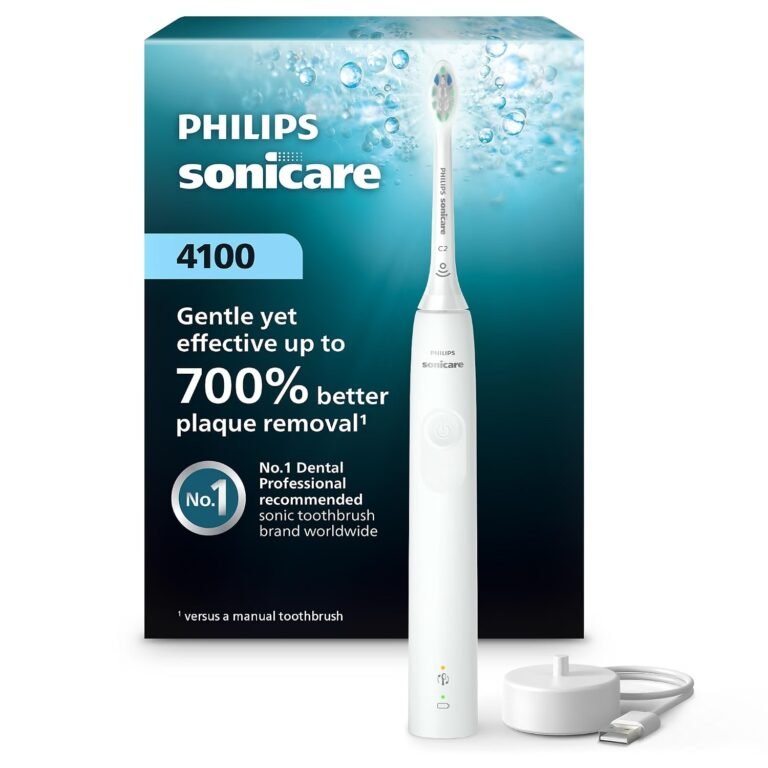
Philips Sonicare replacement guidance
Philips recommends replacing many Sonicare brush heads approximately every three months of normal use.
Some compatible Sonicare heads include indicator bristles that gradually change colour.
Certain Sonicare models also provide electronic replacement reminders.
These features help users remember when a new head may be needed.
However, they do not mean that a physically damaged head should remain in use until the electronic reminder appears.
Oral-B replacement guidance
Oral-B recommends replacing many of its electric toothbrush heads approximately every three months.
Some heads use coloured indicator bristles that fade with use.
Oral-B also advises earlier replacement if the bristles become frayed.
The recommended interval applies to the manufacturer’s specified products and normal-use conditions.
Always check the instructions supplied with the exact head and handle.
Why frequent use can change the decision
A brush head used more often than the manufacturer’s assumed routine may accumulate wear differently.
Brushing pressure and technique also matter.
Rather than assuming that all users experience identical wear, review the bristles regularly.
If the head is damaged, replace it promptly.
What if the bristles still look straight after four months?
Appearance alone is not a reason to ignore the manufacturer’s replacement guidance.
Wear may not always be obvious during a quick visual inspection.
If the brush head has reached the recommended replacement interval, follow the relevant guidance rather than waiting for substantial visible deterioration.
What if you cannot remember the installation date?
If the head’s age is uncertain, inspect its condition and consider replacing it rather than continuing indefinitely.
To make future replacements easier, note the installation date on your phone or use a reminder feature provided by the toothbrush manufacturer.
A simple record can prevent unnecessary guesswork.
Indicator Bristles and Brush-Head Replacement Reminders
Some electric toothbrush heads include visible wear indicators.
Others work with electronic systems that estimate when a replacement is due.
These features can make maintenance more convenient, but they should be interpreted correctly.
Colour-changing indicator bristles
Some Oral-B and Philips brush heads use coloured bristles that gradually fade.
The manufacturer provides instructions about what the colour change means.
For example, Oral-B describes certain indicator bristles that fade from blue toward white.
However, indicator colours and replacement thresholds are not standardized across all brands.
Do not assume that every blue or coloured bristle follows the same system.
Electronic replacement reminders
Some Philips Sonicare models use BrushSync technology or other replacement-reminder features.
Depending on the model, the system may track usage information and display a reminder when the recommended replacement point is reached.
Other manufacturers may offer reminders through their applications or device interfaces.
These systems are convenient, but availability varies.
A toothbrush with no smart reminder can still be maintained correctly by following its replacement instructions.
Are reminder systems a direct measurement of bristle quality?
Not necessarily.
A reminder based on elapsed time, usage sessions or other stored information is not the same thing as a laboratory measurement of every bristle’s physical condition.
The system helps estimate when replacement is appropriate.
It does not replace inspection for damage.
If bristles become severely frayed or the attachment is damaged, replace the head earlier.
Do you need a smart toothbrush to manage replacements?
No.
A calendar reminder or simple installation-date note is sufficient for many people.
The main objective is to follow the manufacturer’s replacement guidance consistently.
Buying a more expensive toothbrush solely for a replacement indicator is not necessary for everyone.
Model Compatibility and Manufacturer Guidance
Electric toothbrush replacement heads are not universally interchangeable.
Different manufacturers use different attachment systems, head shapes and mechanical designs.
Even products from the same brand may not accept every replacement head sold under that brand.
Sonic versus oscillating-rotating designs
Sonic electric toothbrushes typically use a vibration-based cleaning action.
Many oscillating-rotating toothbrushes use a small round head that moves according to the device’s mechanism.
The replacement heads for these designs are generally not interchangeable.
However, cleaning technology alone does not provide enough information to establish compatibility.
Use the model number and manufacturer’s official compatibility information.
Oral-B iO versus earlier Oral-B systems
Oral-B states that its iO toothbrushes require compatible iO replacement heads.
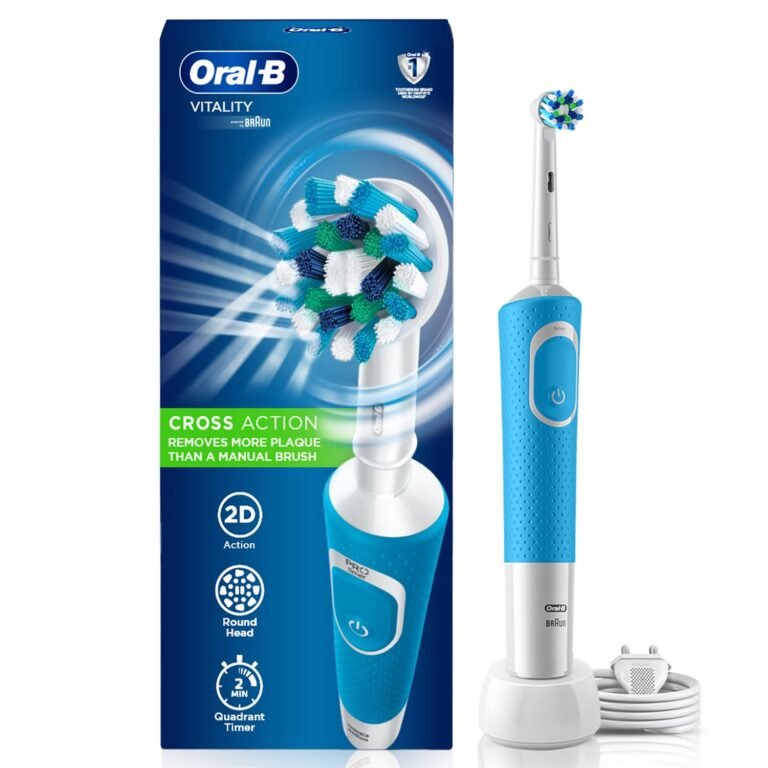
Earlier product families, including certain Pro, Smart, Genius and Vitality devices, use other compatible head systems.
A replacement that fits an older Oral-B handle should not be assumed to fit an Oral-B iO.
Check the exact model before purchasing.
Philips Sonicare compatibility
Philips Sonicare has used different attachment systems across product generations.
Some heads use snap-on connections, while certain older models use screw-on designs.
Do not assume that every product labeled Sonicare fits every Sonicare handle.
Confirm compatibility using the manufacturer’s model-specific information.
Can an incompatible head damage the toothbrush?
An incompatible head may fail to attach correctly or may not operate as intended.
Forcing it into place can also create a risk of damaging the connection.
Do not modify a head or handle to make incompatible components fit.
If a replacement does not attach easily according to the approved procedure, stop and verify the model.
Are third-party replacement heads always unsuitable?
Not necessarily, but compatibility and quality should be assessed carefully.
A third-party product’s packaging may claim compatibility with a particular handle.
That claim should not be treated as proof that every product from the same brand is interchangeable.
Review the specific compatibility information and any relevant manufacturer restrictions.
Avoid using visibly defective heads or products that do not attach securely.
What to verify before buying
| Check | Why it matters |
|---|---|
| Toothbrush brand | Identifies the correct manufacturer family |
| Exact handle model | Helps confirm the attachment system |
| Brush-head model | Distinguishes similar-looking replacements |
| Compatible product list | Reduces the chance of an incorrect purchase |
| Bristle type | Helps match personal and dental recommendations |
| Pack quantity | Determines practical replacement planning |
| Manufacturer guidance | Provides cleaning and replacement instructions |
For online purchases in India, confirm the model and compatibility details rather than relying only on listing titles or product photographs.
Rinsing and Allowing the Brush Head to Dry
Routine cleaning does not need to be complicated.
The American Dental Association recommends rinsing a toothbrush thoroughly after each use to remove remaining toothpaste and debris.
It also recommends storing toothbrushes upright and allowing them to air-dry.
These practices apply to basic toothbrush hygiene, although electric handles may have additional cleaning instructions.
Rinse the bristles after brushing
After switching off the toothbrush, rinse the bristles thoroughly with clean running water.
Remove visible toothpaste and debris.
Avoid pressing the bristles forcefully against the sink.
The goal is to rinse the head, not to scrub it against a hard surface.
Clean the attachment area appropriately
Toothpaste residue can accumulate where the brush head connects to the handle.
Some Philips Sonicare models instruct users to remove the head periodically and rinse the connection area.
However, the cleaning process depends on the specific product.
Check whether the handle and attachment area are approved for water exposure.
Do not soak electrical or charging components unless the manufacturer explicitly permits it.
Wipe the handle as directed
Electric toothbrush handles can collect toothpaste residue near the controls and upper connection area.
Certain manufacturers recommend wiping the handle with a damp cloth.
Do not assume that the charging base can be cleaned in the same way as the waterproof handle.
Disconnect electrical accessories before cleaning when instructed.
Avoid allowing water to enter charging connections.
Let the bristles air-dry
After cleaning, place the toothbrush in an appropriate upright position when possible.
Allow air to circulate around the head.
The ADA advises against routinely keeping a moist toothbrush enclosed because a closed, damp environment can encourage microbial growth.
Air drying is a practical maintenance measure.
It does not mean that a toothbrush becomes sterile when dry.
Keep toothbrush heads separated
When several toothbrushes are stored together, arrange them so their heads do not touch.
The ADA advises against sharing toothbrushes because this can result in the exchange of bodily fluids and microorganisms.
Separate storage can help reduce unintended contact between personal brushes.
Does a toothbrush need a special sanitizing machine?
Generally, routine toothbrush care does not require a specialized sanitizing device.
The ADA notes that evidence concerning toothbrush sanitization is limited and does not recommend high-heat methods such as microwaving or dishwashing toothbrushes.
Follow routine rinsing and air-drying guidance unless your dental professional provides specific advice.
Do not assume that a UV accessory or disinfecting device can replace ordinary cleaning.
Keeping Protective Travel Covers Ventilated
Travel storage creates a practical challenge.
A brush head needs protection from contact with other items in luggage, but leaving it wet in an enclosed case for a prolonged period is undesirable.
The solution is to distinguish temporary travel protection from everyday storage.
Why use a travel case?
A suitable case can help protect the toothbrush from dirt, impact and contact with unrelated items inside a bag.
It can also keep the handle, brush head and accessories organized.
Some electric toothbrushes include manufacturer-designed cases.
Other models use a separate protective cap or compatible accessory.
Choose a case intended for the specific device.
Dry the toothbrush before packing when practical
If time allows, rinse the brush and let it dry before placing it in a closed case.
This follows the general principle of avoiding prolonged damp storage.
However, travel does not always provide enough time for complete air drying.
If you must pack a damp toothbrush temporarily, remove it from the case once you reach your destination and allow it to dry appropriately.
Do ventilation holes make every case hygienic?
Not automatically.
Ventilation can help air circulate, but the actual effectiveness depends on case design and storage conditions.
A ventilated case should not be assumed to make a wet toothbrush dry immediately.
Similarly, a closed case is useful for short-term physical protection but is not necessarily ideal for continuous damp storage.
The ADA’s guidance supports upright, open-air drying during routine storage.
Follow the case manufacturer’s instructions
Some electric toothbrush travel cases are designed for the handle and head to fit in specific positions.
Philips, for example, provides model-specific instructions for arranging brush heads and handles inside compatible travel cases.
A separate protective cap may interfere with the intended fit in some cases.
Do not force the toothbrush into a case that is too small.
Avoid bending bristles or applying pressure to the attachment.
Keep the case itself clean
A toothbrush case may accumulate toothpaste residue, moisture or dirt.
Clean it according to the manufacturer’s instructions.
Allow it to dry before longer-term storage.
Do not assume that every travel case can be cleaned in a dishwasher.
Some cases contain electrical or charging components that require specific handling.
Charging travel cases
Some premium electric toothbrushes include charging travel cases.
These are electrical accessories, not ordinary plastic storage boxes.
Follow the manufacturer’s charging, cable and cleaning instructions.
Do not expose charging contacts or internal electronics to water unless specifically permitted.
Avoid charging a device in a wet environment or using visibly damaged cables.
Electric Toothbrush Travel Storage in Hot and Humid Conditions
Travel habits matter because toothbrushes may remain inside closed bags for extended periods.
This can be particularly relevant during hot or humid weather.
Hotel bathrooms
A hotel bathroom may provide a suitable place to rinse and air-dry a toothbrush.
Use a clean, stable storage position.
Keep the head from touching potentially contaminated surfaces or another person’s brush.
Do not assume that every available cup or container is clean.
If you use a personal holder, maintain it appropriately.
Gym bags and office bags
Some people carry a toothbrush for brushing after meals at work.
If you store it in a bag, use a suitable protective case for transport.
Avoid leaving the brush permanently wet in an enclosed compartment.
When practical, remove it and allow it to air-dry between uses.
Overnight travel
For an overnight trip, the routine can remain simple.
Rinse the brush, transport it in a suitable case and unpack it at the destination.
Let it dry after use.
You do not need specialized equipment for every short journey.
Extended trips
For longer travel, check the brush head’s age before leaving.
If it is close to the recommended replacement point, consider installing a new compatible head before departure or carrying an appropriate spare.
Check charging requirements and the availability of compatible electrical connections.
Avoid packing unnecessary accessories.
Storing a toothbrush in a hot vehicle
Do not leave an electric toothbrush or charging case in a very hot parked vehicle unnecessarily.
Excessive heat may be unsuitable for batteries, plastics and other components.
Follow the manufacturer’s storage-temperature recommendations.
The brush head’s routine replacement schedule does not eliminate the need for proper device storage.
Travelling with a family
Keep each person’s toothbrush identifiable.
Avoid sharing heads or allowing multiple damp heads to remain in direct contact inside a common container.
For children, use age-appropriate toothbrushes and follow pediatric dental guidance.
An adult electric toothbrush head is not automatically suitable for a child’s mouth.
Soft Bristles and Gentle Pressure
A toothbrush head should support effective plaque removal without unnecessary injury to teeth or gums.
The ADA recommends soft bristles and gentle pressure.
This is relevant because pressing too hard can contribute to early bristle deformation and gum irritation.
Why brushing harder is not necessarily better
Electric toothbrushes provide their own mechanical cleaning action.
Pressing forcefully against the teeth is not necessary to make the motor work harder.
On some devices, excessive pressure may interfere with the intended brushing movement.
Strong scrubbing can also contribute to discomfort.
Use a gentle technique appropriate to your toothbrush.
Pressure sensors
Some electric toothbrushes include pressure sensors.
These may display a light, change vibration behaviour or provide another signal when excessive force is detected.
Such features can help users become more aware of how much pressure they apply.
However, not every device includes the same sensor system.
A pressure warning is not a medical diagnosis.
Likewise, a toothbrush without a pressure sensor can still be used gently.
Soft versus firm bristles
The ADA recommends soft-bristled toothbrushes because they reduce the risk of gingival abrasion.
A firm brush head is not automatically more effective.
If you are uncertain which bristle type is suitable, ask your dentist.
People with particular dental restorations, sensitive gums or other oral-health concerns may benefit from individualized advice.
Avoid excessive scrubbing
Some electric toothbrushes are designed to move slowly along the gumline while the powered head performs its cleaning action.
Others may have different technique instructions.
Follow the model’s guidance.
Do not use forceful manual scrubbing movements simply because the head is powered.
Does excessive pressure shorten brush-head life?
It can.
Oral-B notes that excessive brushing pressure may cause bristles to wear more quickly.
If your replacement heads repeatedly become frayed much earlier than expected, review your technique.
However, early wear alone does not prove that pressure is the only cause.
The head’s design, frequency of use and other conditions also matter.
When Gum Discomfort Calls for Professional Advice
A brush head that causes discomfort deserves attention.
However, gum pain or bleeding cannot automatically be explained by bristle wear.
Several oral-health conditions can cause similar symptoms.
Bleeding while brushing
The ADA identifies several possible causes of bleeding gums, including gingivitis and excessive brushing pressure.
The NHS also identifies bleeding, swelling and soreness as possible signs of gum disease.
If your gums bleed repeatedly, consult a dentist.
Do not assume that buying a softer replacement head will resolve every cause.
Soreness after switching heads
If discomfort begins after fitting a different brush head, check whether it is compatible and whether the bristles suit your needs.
Also review your brushing pressure and technique.
Stop using a damaged or incompatible attachment.
If discomfort persists, seek dental advice.
Gum recession and sensitivity
Receding gums, tooth sensitivity and exposed root surfaces can have different causes.
They cannot be diagnosed from the appearance of a brush head alone.
A dentist can examine the relevant area and recommend suitable oral-care practices.
When to seek urgent dental attention
Severe pain, marked swelling, loose teeth or other significant symptoms may require prompt assessment.
Follow local dental emergency guidance.
Do not continue repeatedly brushing an unusually painful area with excessive force.
Avoid abandoning routine oral hygiene
If brushing causes minor discomfort, it can be tempting to stop cleaning the affected area entirely.
However, poor plaque control can worsen some oral-health problems.
Seek professional guidance on a suitable gentle technique rather than assuming that avoiding cleaning is the best solution.
Cleaning and Replacing the Head Are Different Tasks
It is useful to separate everyday cleaning from periodic replacement.
Both support maintenance, but they address different issues.
| Maintenance task | Purpose | General timing |
|---|---|---|
| Rinse bristles | Remove toothpaste and visible debris | After each use |
| Allow air drying | Avoid prolonged damp storage | After rinsing |
| Clean attachment area | Remove residue at the head-handle connection | According to manufacturer instructions |
| Inspect bristles | Check for fraying, spreading or damage | Regularly |
| Replace brush head | Address wear and recommended service life | Commonly around 3–4 months, or earlier when needed |
| Clean travel case | Remove accumulated residue and moisture | As needed, following the case instructions |
| Check compatibility | Ensure the replacement fits the handle | Before purchasing or fitting a new head |
The exact cleaning procedures and replacement intervals should follow the manufacturer’s instructions.
A device’s model-specific requirements take priority over a generic checklist.
Electric Toothbrush Versus Water Flosser: Different Maintenance Roles
Electric toothbrushes and water flossers are both used in oral-care routines, but they perform different functions.
An electric toothbrush is primarily designed to brush tooth surfaces and help remove plaque.
A water flosser uses a directed stream of water to clean around teeth and along areas of the gumline, according to its intended use.
These devices have different attachments and maintenance requirements.
Brush heads
Electric toothbrush heads contain bristles that undergo repeated physical contact with teeth.
Their replacement guidance considers bristle wear and manufacturer recommendations.
Water-flosser tips
Water flossers may use removable tips or nozzles.
Their cleaning and replacement instructions differ by product.
Do not assume that a water-flosser tip should be replaced at exactly the same interval as an electric toothbrush head.
Follow the relevant manufacturer instructions.
Does a water flosser replace brushing?
No.
A water flosser is not generally intended to replace routine toothbrushing with fluoride toothpaste.
The ADA recommends brushing twice daily for two minutes with a soft-bristled toothbrush.
Cleaning between the teeth is also an important part of oral hygiene.
Discuss suitable interdental-cleaning methods with your dentist.
Does owning multiple devices improve oral health automatically?
No.
Product ownership alone does not guarantee better oral health.
Appropriate technique, regular oral hygiene and professional dental care remain important.
Before purchasing extra devices, consider which function they serve and whether they fit your needs.
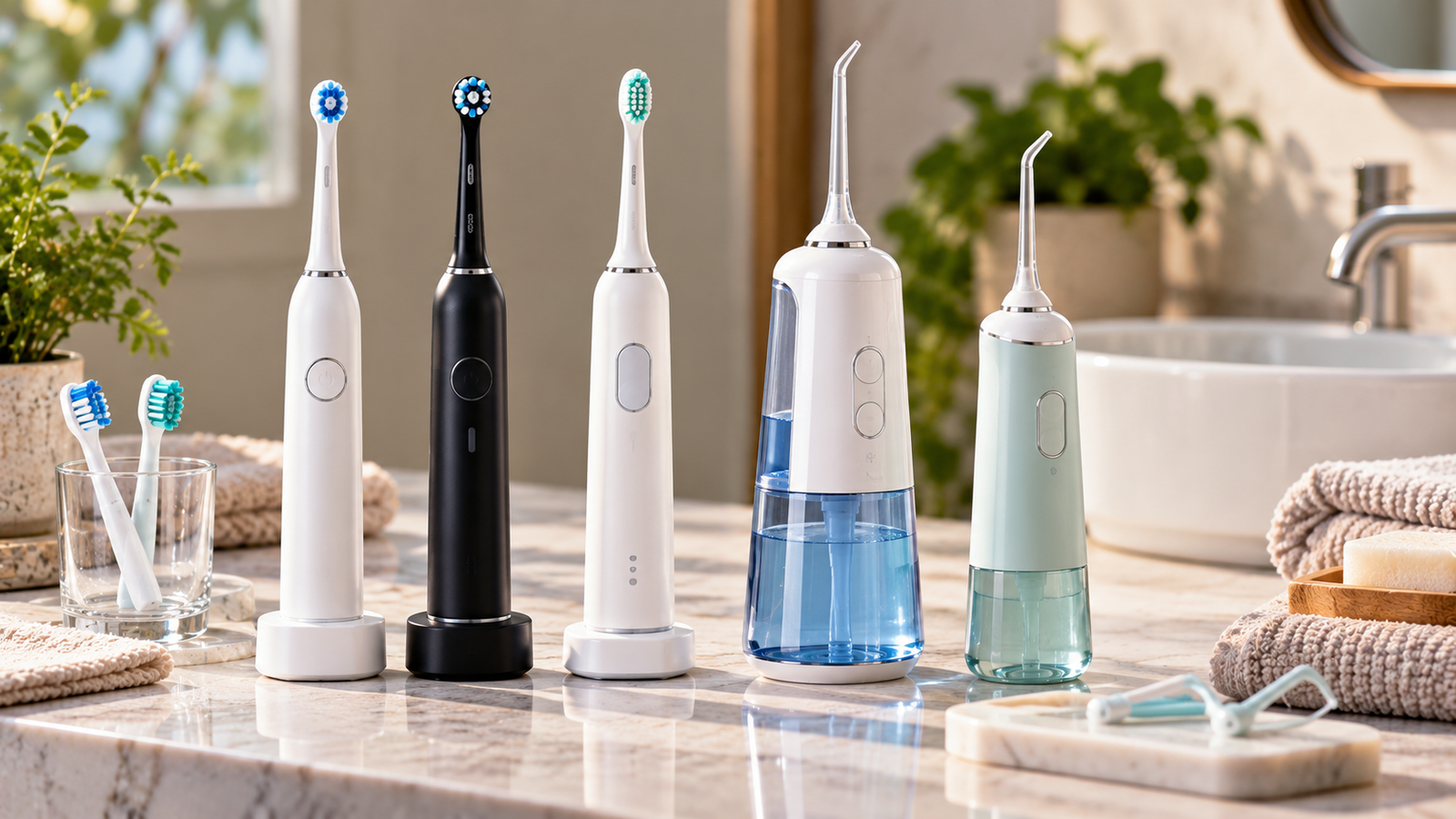
For a comparison of equipment types, read Physical Glow’s Sonic Toothbrush vs Oscillating Brush vs Water Flosser: Five Devices.
That guide explains the different roles of common electric oral-care products.
This article focuses on maintaining and replacing electric toothbrush heads.
A Simple Brush-Head Replacement Routine
A practical routine can help you avoid both premature replacement and excessively long use of worn heads.
Step 1 — Record the installation date. When you attach a new head, note the date or activate the manufacturer’s reminder if available.
Step 2 — Use suitable brushing technique. Follow the toothbrush instructions and avoid excessive pressure.
Step 3 — Rinse after every use. Remove visible toothpaste and debris.
Step 4 — Let the head air-dry. Store it appropriately rather than routinely enclosing it while wet.
Step 5 — Check for damage. Look for spreading, fraying, broken bristles or attachment problems.
Step 6 — Follow replacement guidance. Many manufacturers recommend replacement around three months, while the ADA provides a general three-to-four-month guideline.
Step 7 — Replace earlier when necessary. A damaged or substantially frayed head should not remain in use just to complete an arbitrary period.
Step 8 — Confirm compatibility. Check the exact toothbrush model before buying a replacement.
Step 9 — Clean the connection area as instructed. Follow the manufacturer’s procedure when removing the old head.
Step 10 — Dispose of the old head appropriately. Follow relevant local waste and recycling guidance, and do not assume mixed-material replacement heads are accepted by ordinary recycling systems.
This routine does not require a smart toothbrush, subscription or specialized sanitizing machine.
Consistent attention to basic maintenance is usually more practical.
Common Electric Toothbrush Maintenance Mistakes
Several common habits can shorten brush-head usefulness or create unnecessary hygiene concerns.
Mistake 1: Waiting until the bristles become severely distorted
Replace according to manufacturer guidance and visible wear.
A head does not need to become obviously unusable before replacement.
Mistake 2: Assuming a normal-looking head lasts indefinitely
Physical appearance alone cannot establish remaining service life.
Follow the recommended interval.
Mistake 3: Brushing with excessive pressure
Strong pressure can contribute to bristle wear and gum discomfort.
Use a gentle technique.
Mistake 4: Buying a head from the correct brand but wrong system
Not every Oral-B or Philips replacement head fits every model from that manufacturer.
Check exact compatibility.
Mistake 5: Keeping the brush enclosed while damp
A case is useful during transport, but routine closed, damp storage is not ideal.
Allow the brush to air-dry between uses.
Mistake 6: Ignoring the travel case
The case itself may collect residue or moisture.
Clean and dry it appropriately.
Mistake 7: Using boiling water or a dishwasher
The ADA does not recommend microwaving or dishwashing toothbrushes because high heat can damage them.
Avoid unapproved cleaning methods.
Mistake 8: Sharing brush heads
Toothbrushes should not be shared.
Use separate heads and appropriate storage arrangements.
Mistake 9: Assuming an electronic reminder detects every defect
A reminder is useful, but damage can occur before it appears.
Inspect the head yourself.
Mistake 10: Treating gum bleeding as a simple product problem
Repeated bleeding or soreness can have several causes.
Seek dental assessment rather than only changing brush-head brands.
Frequently Asked Questions
When should I replace an electric toothbrush head?
The American Dental Association recommends replacing toothbrushes approximately every three to four months or sooner when the bristles become matted or frayed.
Many electric toothbrush manufacturers recommend replacing their specific heads around every three months.
Follow the instructions for your model.
How do I know if my electric toothbrush head is worn out?
Look for visibly bent, frayed, flattened or widely spread bristles.
Also check for broken components, cracks or an attachment that no longer fits securely.
Replace damaged heads even when they have not reached their usual replacement date.
Can an electric toothbrush head last six months?
Do not assume it will remain suitable for six months simply because the motor still works or the bristles appear clean.
Follow the manufacturer’s recommended interval and dental guidance.
Should I replace the head before three months if the bristles are frayed?
Yes.
The ADA recommends earlier replacement when bristles become matted or frayed.
Inspect the head and review whether your brushing pressure is excessive.
Is it normal for electric toothbrush bristles to spread outward?
Some deformation can develop through use.
However, noticeable spreading or fraying indicates wear.
If the change is substantial, replace the head.
Do colour-changing bristles accurately show wear?
They provide a manufacturer-designed replacement indication.
Their meaning depends on the product.
They should not replace inspection for obvious physical damage.
Does an electric toothbrush automatically know when the head is worn out?
Only some models include replacement-reminder systems.
These may use usage information or other model-specific mechanisms.
They should not be treated as a guarantee that every bristle remains in good condition until the reminder activates.
Are all Oral-B replacement heads compatible?
No.
For example, Oral-B iO heads use a different compatibility system from several earlier Oral-B electric toothbrush families.
Verify the model before purchasing.
Do all Philips Sonicare heads fit every Sonicare toothbrush?
No.
Some Sonicare systems use different attachment mechanisms.
Check the exact handle and brush-head model.
Should I rinse my electric toothbrush after every use?
Yes.
The ADA recommends rinsing toothbrushes thoroughly after use to remove toothpaste and debris.
Follow the manufacturer’s additional instructions for cleaning the electric handle and attachment.
Should I remove the brush head every day?
Not necessarily.
Some manufacturers recommend periodic removal to clean the connection area.
Follow the specific model’s instructions rather than applying a universal rule.
Can I keep a toothbrush covered in the bathroom?
A protective cover may be useful for travel or a specific manufacturer-approved purpose.
However, the ADA recommends allowing toothbrushes to air-dry and avoiding routine damp storage in closed containers.
Is a ventilated travel case better?
Ventilation can help with airflow, but the case’s actual performance depends on its design.
When possible, let the toothbrush dry before packing, and remove it from temporary enclosed storage at the destination.
What if I have to pack a wet toothbrush?
Use a suitable temporary travel case.
When you arrive, take the brush out, rinse if needed and allow it to air-dry.
Avoid keeping it wet inside a closed container for an extended period.
Should I disinfect my toothbrush every week?
Routine sanitization is not generally required by ADA toothbrush-care guidance.
Rinsing, suitable storage and timely replacement are important.
Avoid unapproved chemicals or high-heat cleaning.
Can I put an electric toothbrush head in boiling water?
Do not do so unless the manufacturer explicitly permits it.
High temperatures can damage toothbrush components.
Do soft bristles wear out faster?
Wear depends on the specific bristles, brushing pressure, technique and frequency.
Do not assume that choosing firmer bristles is a better solution.
The ADA recommends soft bristles to help minimize gingival abrasion.
Can brushing too hard damage gums?
Yes.
Excessive brushing pressure can contribute to irritation and injury.
Use a gentle technique, and seek dental advice if discomfort or bleeding persists.
Should I change my toothbrush head after having a cold?
There is no universal requirement to replace a toothbrush after every ordinary cold.
Guidance can differ for particular infections or people with specific health risks.
If you are severely immunocompromised or have received special medical or dental instructions, seek individualized advice.
Continue avoiding toothbrush sharing.
Can I use the same electric toothbrush handle with another family member?
Some households use compatible individual replacement heads with a shared handle, but the suitability depends on manufacturer instructions and hygienic handling.
Each person should have their own brush head, and personal heads should be stored separately.
Do not share the same brush head.
What should I do if my gums bleed while brushing?
Recurring gum bleeding deserves dental assessment.
Possible causes include gingivitis and excessive brushing pressure, among others.
Do not assume that replacing the brush head alone will resolve it.
Does a water flosser replace my electric toothbrush?
No.
A water flosser serves a different oral-care function.
Continue routine toothbrushing with fluoride toothpaste and follow your dentist’s guidance on cleaning between teeth.
Final Takeaway
An electric toothbrush can remain functional long after its brush head has begun to wear.
That is why replacement decisions should consider both time in use and bristle condition.
The American Dental Association recommends replacing toothbrushes approximately every three to four months, while many electric toothbrush manufacturers recommend replacement around every three months.
Visible fraying, spreading or damage may justify earlier replacement.
Use a compatible replacement head, brush gently and follow the manufacturer’s instructions for cleaning the attachment and handle.
After brushing, rinse the head thoroughly and allow it to air-dry.
During travel, use a suitable protective case, but avoid leaving the toothbrush enclosed while damp for extended periods.
If gum bleeding, soreness or other oral-health concerns persist, consult a dentist rather than assuming the brush head is the only cause.
The best electric toothbrush maintenance routine is not complicated: use suitable brushing technique, rinse and dry the head, check for wear and replace it according to reliable guidance.
Physical Glow’s editorial principle: Oral-care recommendations should follow established dental guidance and verified product instructions. Replacement intervals should be presented as practical recommendations rather than identical expiry dates for every toothbrush head.
References and Further Reading
- American Dental Association — Toothbrushes
- Oral-B — How to Clean Your Electric Toothbrush
- Oral-B — Replacement Brush Heads and Compatibility
- Philips Sonicare — How to Clean My Sonicare Toothbrush
- Philips Sonicare — Brush Head Replacement Reminders
- Philips Sonicare — How to Place a Brush Head in the Travel Case
- American Dental Association — Bleeding Gums
- NHS — Gum Disease