Therabody Wave Solo Vibrating Therapy Ball Review: Pinpointed Recovery in a Compact Form
Muscle recovery tools have evolved rapidly, but not all are designed for precision and portability. Therabody’s Wave Solo Vibrating Therapy Ball enters the scene as a compact device positioned to deliver targeted vibration therapy for those seeking relief from muscle soreness, tension, and reduced mobility. The question is whether its design and features genuinely support everyday recovery needs.
What Is the Wave Solo and Who Is It For?
Therabody positions the Wave Solo Vibrating Therapy Ball as a relaxation and recovery product designed for individuals dealing with muscle soreness, tension, or restricted mobility. According to the brand, it is intended to provide pinpointed vibration therapy to specific areas such as feet, hamstrings, upper body, neck, and back. This focus on targeted application makes it relevant for those who prefer direct, localized muscle work—whether post-exercise, after long periods of sitting, or to address persistent trigger points.
Design and Key Features
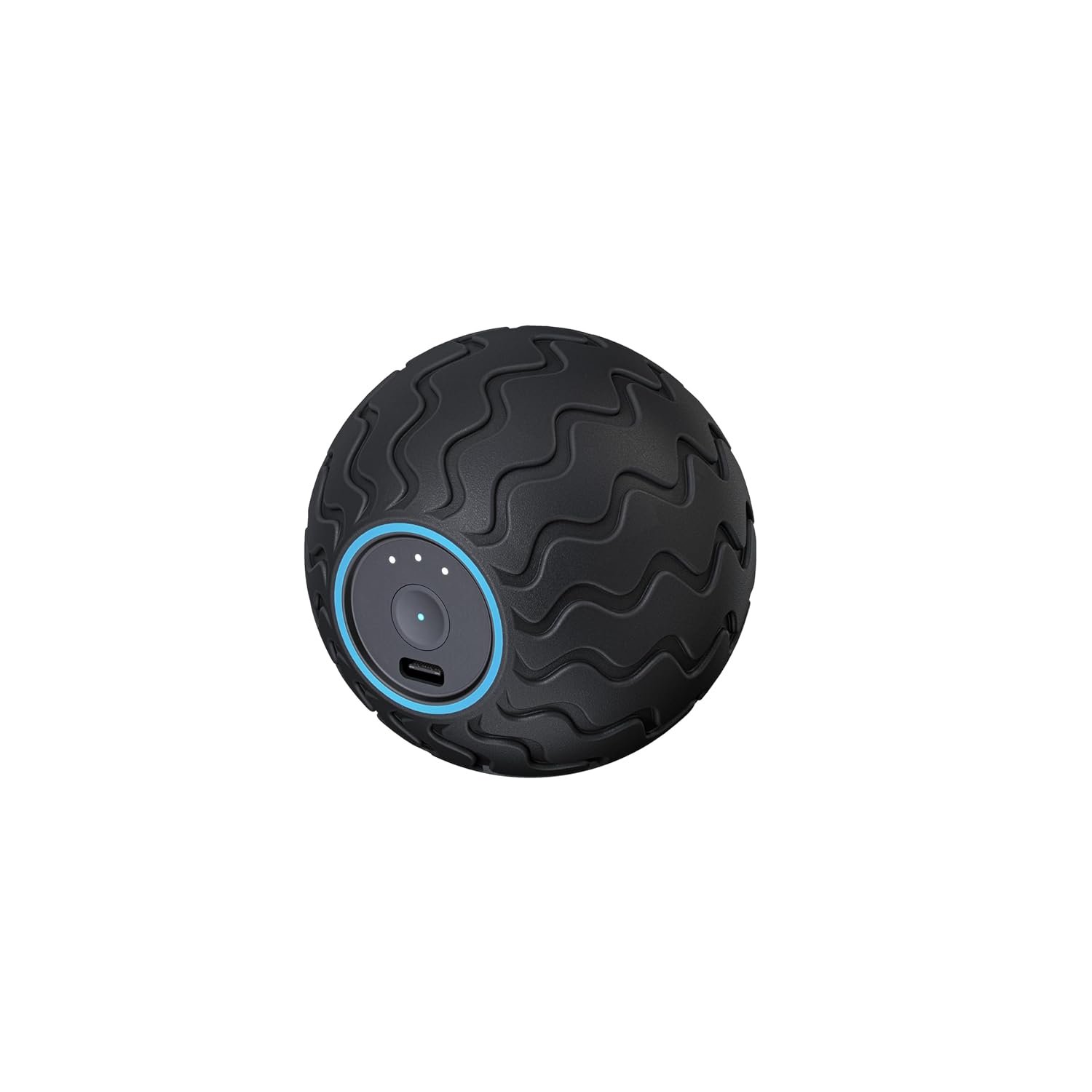
The Wave Solo is a compact device, measuring 3.4 inches in diameter and weighing just 0.7 lbs. Its outer layer is made from textured silicone, which, according to Therabody, is meant to provide extra pressure and superior traction during use. The ball is powered by a vibration mechanism with more than three intensity settings, giving users some control over the strength of the massage. Bluetooth connectivity is included, suggesting potential integration with digital guidance or app-based controls, though the specifics are not detailed in the supplied evidence. The device is FDA registered and comes with a 1-year limited warranty.
How It’s Positioned to Work
Therabody claims the Wave Solo can help reduce muscle tension and soreness, improve range of motion and flexibility, and speed up recovery. The brand highlights its ability to deliver pinpointed vibration therapy, which is positioned as beneficial for rolling out specific muscle groups and trigger points. The textured silicone surface is said to add pressure and enhance the rolling experience, while the so-called QuietRoll Technology is described as muting sound and reverberation for a quieter session.
The Science and Practical Considerations
Vibration therapy is generally used to address muscle soreness, tension, and mobility, but no specific clinical studies for this product are cited. The evidence provided does not include product-specific performance data or independent clinical validation. For readers considering this device, the practical appeal lies in its portability and the ability to apply vibration directly to targeted areas. The battery life is listed at 200 minutes, which is substantial for a device of this size, and the textured silicone may offer a different tactile experience compared to smooth-surfaced recovery tools.
Limitations and What’s Not Specified
While the Wave Solo is positioned as a versatile tool for muscle recovery, several practical details are not specified in the available evidence. There is no full ingredient or material breakdown beyond the mention of textured silicone, and usage directions are not provided. Most notably, there is no product-specific performance evidence or clinical outcome data supplied, so its real-world effectiveness cannot be independently assessed from the available information.