Sunscreen Under Makeup: Preventing Pilling Without Reducing Protection
Sunscreen is one of the most important parts of a morning skincare routine. It helps protect the skin against ultraviolet radiation, which contributes to sunburn, premature skin ageing and an increased risk of skin cancer.
However, combining sunscreen with moisturizer, primer, foundation and concealer can sometimes create an unexpected problem: pilling.
Pilling occurs when skincare or makeup products roll into small flakes or clumps during application. Instead of blending smoothly, products appear to rub off the skin.
This can be frustrating, especially when you have already completed several steps of your morning routine.
Some people respond by applying less sunscreen, mixing it into foundation or skipping sun protection entirely.
These approaches are not recommended because they can compromise the amount of sunscreen applied and potentially reduce protection.
The better solution is to adjust product compatibility, application technique and layering—not sacrifice sunscreen coverage.
This guide explains why sunscreen pills under makeup, how to prevent it and how to maintain effective sun protection throughout the day.
1. What Is Sunscreen Pilling?
Sunscreen pilling is the formation of small rolls, flakes or clumps when a sunscreen interacts with the skin, another skincare product or makeup applied over it.
You might notice:
- Small white or translucent flakes appearing while blending foundation.
- Sunscreen rolling off when primer is applied.
- Clumps forming around the nose, jawline or forehead.
- Makeup becoming patchy immediately after application.
- Product gathering around dry skin or areas with facial hair.
Pilling does not necessarily mean that the sunscreen itself is defective.
More commonly, it reflects a combination of formulation characteristics, layering technique, the amount of product applied and mechanical rubbing.
Importantly, pilling should not be confused with ordinary dry skin flaking.
Dry skin can produce visible flakes even without sunscreen, while product pilling often appears during rubbing or layering.
2. Why Does Sunscreen Pill Under Makeup?
There is no single cause of sunscreen pilling.
Several mechanisms can contribute, and more than one may occur simultaneously.
Incompatible Product Formulations
Modern sunscreens and makeup products contain complex combinations of ingredients.
Depending on the formulation, these may include:
- Film-forming polymers.
- Silicones.
- Emollients.
- Humectants.
- Pigments.
- Thickening agents.
- Powders and mattifying ingredients.
These materials help control texture, spreadability, water resistance and finish.
However, some product combinations may not form a smooth, stable layer when rubbed together.
For example, certain primers and sunscreens contain polymer-rich or silicone-based systems that can roll or separate under friction.
This does not mean silicone-based products should never be combined.
Compatibility depends on the complete formulation, not simply whether two ingredient lists both mention silicone.
Applying Too Many Skincare Layers
A routine involving toner, multiple serums, moisturizer, sunscreen, primer and foundation creates several layers on the skin.
Each product may leave a different type of film.
When these layers are thick or not fully settled, applying another product can disturb them.
The result may be pilling, streaking or uneven makeup coverage.
Adding more products is therefore not always beneficial.
Excessive Rubbing
Rubbing is one of the most common triggers for visible pilling.
Repeated circular blending motions can cause partially formed product films to roll into small clumps.
This is especially noticeable when foundation is repeatedly buffed over sunscreen.
Applying Makeup Before Sunscreen Has Settled
Sunscreen needs to be applied evenly and allowed to form a reasonably undisturbed layer.
Applying makeup immediately afterward may shift the sunscreen before it has settled.
This is particularly relevant for formulas containing substantial film-forming ingredients.
The ideal interval varies by product. There is no universally proven waiting time that works for every sunscreen.
Dry or Flaky Skin
When the skin’s surface is rough or flaky, products may catch on uneven areas.
This can make pilling and patchiness more visible.
However, aggressively exfoliating the skin to solve makeup pilling can make irritation worse.
Gentle moisturizing is often a more appropriate starting point.
3. Is Pilling a Sign That Sunscreen Is Not Working?
Not necessarily.
A small amount of pilling does not prove that the entire sunscreen application has failed.
However, visible product removal, uneven coverage or repeated rubbing may compromise the uniformity of the sunscreen film.
That matters because sunscreen effectiveness depends on adequate and reasonably even application.
SPF testing is performed under standardized conditions using an application quantity of 2 mg/cm².
In everyday life, people frequently apply less than the tested amount.
If you reduce sunscreen further to prevent pilling, actual protection may be lower than expected.
For this reason, do not solve pilling by deliberately underapplying sunscreen.
Instead, identify which product or application step is causing the problem.
4. The Correct Order for Sunscreen and Makeup
A simple morning routine is usually easier to manage than one with numerous unnecessary layers.
Recommended morning application sequence
- Gentle cleanserCleanse without excessive scrubbing or leaving heavy residue.
- Optional serumUse a lightweight serum if it addresses a specific skincare need.
- Moisturizer, if neededApply a suitable amount and allow it to settle.
- Broad-spectrum sunscreenApply generously and evenly to exposed skin.
- Makeup primer, if usedApply gently without repeatedly rubbing the sunscreen layer.
- Foundation, concealer and other makeupBlend with controlled, gentle movements.
Sunscreen should generally be the final skincare step before makeup.
If you use a prescription topical treatment, follow the clinician’s application instructions.
You may not need both a separate moisturizer and a moisturizing sunscreen. This depends on your skin and the sunscreen’s formulation.
5. How Long Should You Wait Before Applying Makeup?
One common recommendation is to wait approximately 10–15 minutes after applying sunscreen before beginning makeup.
This can be a useful practical starting point for some products, although it is not a universal scientifically established requirement.
Some sunscreens settle quickly. Others remain tacky or require more time for their surface film to stabilize.
The best approach is to follow the manufacturer’s instructions.
If no specific guidance is provided, allow the sunscreen to settle before applying primer or foundation.
Avoid touching or rubbing it repeatedly while waiting.
Remember that waiting longer cannot correct every incompatible product combination.
If two formulas consistently pill when layered, changing one of the products may be more useful than increasing the waiting time.
6. How to Apply Sunscreen Without Disturbing the Layers Beneath It
Step 1: Start With a Simple Base
Avoid layering multiple heavy serums and creams unless your skin genuinely needs them.
A lightweight moisturizer may be sufficient under a separate sunscreen.
Step 2: Apply the Appropriate Amount
For the face, approximately two finger-lengths of sunscreen is often used as a practical estimate, but the quantity dispensed by this method varies with finger size, product consistency and nozzle diameter.
It is not a precise measurement.
Apply enough sunscreen to provide generous, even coverage of the exposed areas, following product directions. Include the ears and neck when exposed, with additional sunscreen as necessary.
Do not depend on a tiny amount simply because you plan to wear makeup.
Step 3: Distribute It Evenly
You can spread sunscreen across the face in sections.
Some people find that applying the required quantity in two controlled passes helps them achieve even distribution.
However, neither pass should be so thin that the total amount is inadequate.
Step 4: Avoid Overworking the Product
Spread the sunscreen until coverage is even.
Stop repeatedly rubbing once the product has distributed.
Constant massaging is not necessary and can promote pilling with certain formulas.
Step 5: Allow It to Settle
Give the sunscreen an opportunity to settle before applying makeup.
Avoid pressing other products into it immediately if your sunscreen tends to shift.
7. Choosing Makeup Tools That Reduce Pilling
The application tool can influence how much friction is created.
Makeup Sponge
A lightly dampened makeup sponge can help distribute some foundations with gentle pressing movements.
Potential advantages include:
- Less vigorous buffing.
- More controlled coverage.
- Easier application over areas prone to pilling.
However, a sponge can still disturb sunscreen if it is dragged repeatedly or pressed too aggressively.
It may also absorb some of the foundation.
Makeup Brush
Brushes can create an even finish, but vigorous circular buffing may disturb underlying product layers.
If you experience pilling, try stippling or gentle short strokes instead of repeatedly polishing the same area.
Fingers
Applying foundation with clean fingers offers direct control, but excessive rubbing can lead to the same problems as brush application.
The technique matters more than the tool itself.
| Makeup tool | Potential benefit | Main consideration |
|---|---|---|
| Damp makeup sponge | Gentle pressing application | Avoid dragging across sunscreen |
| Dense makeup brush | Controlled foundation coverage | Excessive buffing may cause pilling |
| Clean fingers | Convenient and precise | Repeated rubbing can disturb layers |
| Powder puff | Controlled powder placement | Press gently rather than rubbing |
There is no universally superior tool for all sunscreen and foundation combinations.
8. Should You Use Primer Over Sunscreen?
Primer is optional.
Some primers can help makeup apply smoothly, control shine or create a particular visual finish.
However, primer introduces an additional layer that may interact with sunscreen.
If you experience pilling, test the routine without primer.
If the problem disappears, the primer may be contributing.
You could then:
- Use less primer while maintaining the full sunscreen application.
- Apply primer only where needed.
- Try a different primer formulation.
- Skip primer entirely.
Do not assume that a silicone-based sunscreen must always be paired with a silicone-based primer.
The overall formulation determines compatibility.
9. Gel Sunscreen vs Cream Sunscreen Under Makeup
Texture influences how sunscreen feels and behaves beneath makeup, but it does not independently determine protection.
Gel Sunscreens
Gel and gel-cream sunscreens often feel lightweight.
They may appeal to people with oily or combination skin or those who dislike heavy finishes.
However, some gel formulations contain polymers that can pill when combined with certain skincare or makeup products.
A lightweight texture does not guarantee compatibility.
Cream Sunscreens
Cream sunscreens may provide a richer, more moisturizing feel.
They may be comfortable for dry skin, particularly when a separate moisturizer is unnecessary.
However, some can feel heavy beneath full-coverage foundation.
Fluid Sunscreens
Fluid sunscreens are generally designed to spread easily in relatively thin-feeling layers.
They may work well under makeup for some users.
But application quantity still matters.
Do not reduce the amount simply because the formulation feels more fluid or spreads across a large area.
Matte Sunscreens
Matte sunscreens can provide an appealing finish for oily skin.
Yet highly mattifying formulas may interact with certain primers or foundations.
Testing a product combination is more reliable than assuming that matte formulas always perform better under makeup.
10. Why Sunscreen Sometimes Pills Around the Nose and Jawline
Certain facial areas are particularly prone to pilling.
These include:
- Around the sides of the nose.
- Along the jawline.
- Near the eyebrows.
- Around facial hair.
- Areas with visible skin dryness.
The nose and jawline are frequently rubbed during makeup blending.
Skin texture, oiliness and facial hair can also affect product distribution.
To reduce pilling:
- Use a gentle cleanser.
- Avoid excessive skincare layering.
- Apply sunscreen evenly.
- Allow the sunscreen to settle.
- Use light pressing movements when applying foundation.
- Avoid repeatedly blending the same area.
If the sunscreen still rolls off before makeup is applied, the issue may be the sunscreen’s compatibility with the underlying skincare or its own application behavior.
11. Can You Mix Sunscreen With Foundation?
Mixing sunscreen directly into foundation is not recommended unless the manufacturer has specifically tested and instructed that combination.
Sunscreens are formulated and tested as finished products.
Mixing them with foundation, moisturizer or facial oil can change their distribution and film-forming properties.
It can also make it difficult to know how much sunscreen is actually being applied.
For example, adding a small amount of sunscreen to a larger amount of foundation does not guarantee meaningful SPF protection across the face.
Similarly, applying SPF foundation in ordinary makeup quantities rarely ensures the same protection associated with the label’s tested SPF.
The safer approach is to apply a dedicated sunscreen in an adequate amount and then layer makeup over it.
If you want tinted coverage, consider a properly formulated tinted sunscreen used in the recommended quantity rather than manually mixing two products.
12. Does Sunscreen SPF Matter When Wearing Makeup?
Absolutely.
Makeup does not eliminate the need for sun protection.
Choose a broad-spectrum sunscreen with SPF 30 or higher for everyday exposed-skin protection.
Higher SPF products can offer additional UVB protection when used correctly, but no sunscreen blocks all ultraviolet radiation.
Application quantity, evenness, water resistance and reapplication remain important.
A foundation labeled SPF 15 or SPF 30 may provide some protection when applied at the standardized tested amount, but typical foundation application often falls short of that quantity.
Therefore, SPF makeup is best viewed as supplementary rather than a reliable substitute for properly applied sunscreen.
13. How to Reapply Sunscreen Over Makeup
Reapplying sunscreen can be challenging when you are wearing foundation, concealer, blush and powder.
During extended outdoor exposure, sunscreen generally needs reapplication about every two hours, and sooner after swimming, sweating or toweling off, according to product directions.
Option 1: Reapply With a Suitable Sunscreen
The most reliable approach is to reapply an adequate amount of sunscreen.
This may disturb some makeup, but maintaining coverage matters more than preserving a perfectly untouched finish.
Option 2: Use a Makeup Sponge for Reapplication
Some people use a clean sponge to gently press sunscreen over makeup.
This may reduce visible smearing, but it can be difficult to achieve complete, uniform coverage.
Do not assume a few light dabs provide the recommended sunscreen quantity.
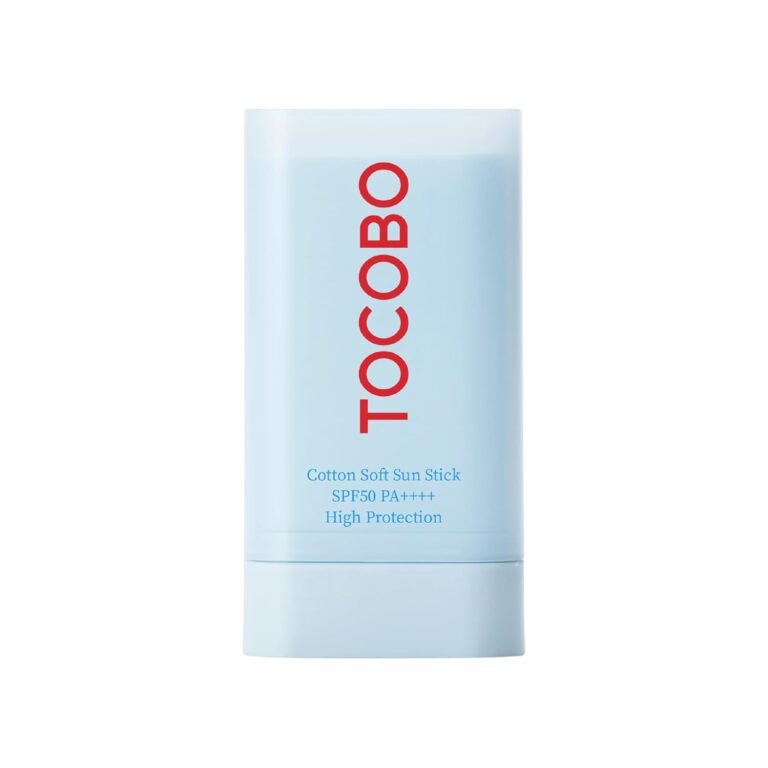
Option 3: Sunscreen Stick
Sunscreen sticks can be convenient for certain areas.
However, several passes may be required to approach adequate coverage, depending on the product and application.
A single light swipe may provide insufficient protection.
Option 4: Sunscreen Powder or Mist
Powders and sprays may be convenient for touch-ups.
However, achieving an adequate tested sunscreen dose with casual application can be difficult.
They should not be assumed to replace a properly applied sunscreen layer.
For strong or extended sun exposure, also use appropriate clothing, hats, shade and other protective measures.
14. Common Sunscreen and Makeup Mistakes
Applying Less Sunscreen to Prevent Pilling
This is one of the most important mistakes to avoid.
A thinner sunscreen layer may feel better cosmetically but can provide less protection.
Instead, change the incompatible product or application technique.
Mixing Foundation Into Sunscreen
The mixture may not behave like the original tested sunscreen.
Use the sunscreen as directed.
Layering Too Many Products
Multiple hydrating serums, thick moisturizers, primer and foundation may create unnecessary buildup.
Simplify the routine.
Rubbing Foundation Repeatedly
Excessive buffing can disrupt underlying sunscreen.
Use controlled movements.
Assuming More Waiting Time Fixes Everything
Waiting can help some formulas settle, but fundamentally incompatible product combinations may still pill.
Skipping Sunscreen Reapplication
A morning application does not provide unlimited protection throughout prolonged outdoor exposure.
Reapplication and other sun-protective behaviors remain important.
Relying Entirely on SPF Makeup
Cosmetic products with SPF should not automatically replace dedicated sunscreen used in an adequate amount.
15. Troubleshooting Sunscreen Pilling: Find the Actual Cause
Instead of buying a completely new skincare routine, test one variable at a time.
| What you notice | Possible explanation | What to try |
|---|---|---|
| Sunscreen pills before makeup | Conflict with serum or moisturizer, or sunscreen formulation | Apply sunscreen over a simpler routine |
| Pilling begins after primer | Primer and sunscreen compatibility | Test without primer |
| Pilling begins during foundation blending | Excessive friction or formulation interaction | Use a gentler pressing technique |
| White flakes on dry patches | Skin flaking or product buildup | Use gentle cleansing and suitable moisturizer |
| Clumps after applying several serums | Too many layers or excessive quantities | Simplify the skincare routine |
| Pilling during touch-ups | Existing films being disturbed | Reapply carefully while maintaining adequate sunscreen coverage |
A Practical Three-Day Compatibility Test
If your skin is not irritated, you can compare routines over several days.
Day 1: Use cleanser, sunscreen and no makeup. Observe whether the sunscreen pills on its own.
Day 2: Use cleanser, your usual moisturizer and sunscreen. Check whether pilling appears.
Day 3: Add foundation without primer. Observe whether the foundation application causes clumping.
This is only a practical troubleshooting method, not a controlled scientific test.
Use adequate sunscreen every day, and do not conduct the test by intentionally underapplying it.
If a product causes irritation rather than simple cosmetic pilling, stop using it and reassess the formula.
16. How to Choose a Sunscreen That Works Under Makeup
A sunscreen suited to makeup application should satisfy two requirements:
- Provide appropriate sun protection when used as directed.
- Feel comfortable enough that you can apply the required amount consistently.
Consider the following:
Broad-Spectrum Protection
Choose broad-spectrum SPF 30 or higher, with appropriate UVA protection.
Suitable Texture
Lightweight fluid, gel-cream or moisturizing formulas may suit different skin preferences.
Texture alone does not determine effectiveness.
Comfortable Finish
Choose a finish you can tolerate at an adequate application quantity.
Compatibility With Your Makeup
Test the sunscreen with the specific foundation or primer you regularly use.
Skin Type
Dry skin may benefit from a more moisturizing formula, while oily skin may prefer a lighter finish.
Water Resistance
If you sweat significantly or participate in outdoor activities, consider a suitable water-resistant sunscreen and follow its reapplication instructions.
For product selection, explore Physical Glow’s Top 5 SPF 50 Face Sunscreens in India buying guide. It compares sunscreen options for different everyday preferences and skincare needs.
Frequently Asked Questions
Why does my sunscreen pill when I apply foundation?
Possible causes include incompatible formulations, excessive product layering, insufficient settling time and repeated rubbing during foundation application.
Should sunscreen go before or after primer?
Sunscreen generally goes after skincare and before makeup primer. Follow the product directions for any specialized formulation.
Can I skip moisturizer before sunscreen?
Some moisturizing sunscreens may provide enough comfort without a separate moisturizer, depending on your skin. A separate moisturizer is optional when it is not needed.
How long should I wait after sunscreen before foundation?
Follow the sunscreen’s instructions. Allowing it to settle can help reduce disruption, but there is no universal waiting period that guarantees compatibility.
Does pilling mean my sunscreen is ineffective?
Not necessarily. However, visible removal or uneven coverage may compromise protection. It is best to correct the application problem rather than ignore substantial pilling.
Can I mix sunscreen with foundation to avoid pilling?
Mixing is not recommended unless explicitly supported by the product manufacturer, because it may alter the tested sunscreen formulation and lead to inadequate coverage.
Is gel sunscreen better under makeup?
Gel sunscreen may feel lighter, but compatibility depends on the full formulation. Some gels can still pill.
Can I use sunscreen powder to reapply over makeup?
Sunscreen powders may offer supplemental protection, but casual powder application may not provide the recommended amount. Do not rely on them as the sole reapplication method during significant sun exposure.
Final Verdict
Sunscreen pilling under makeup is usually a product-layering or application problem, not a reason to reduce sun protection.
For a smoother makeup finish, start with a simple skincare routine, apply sunscreen generously, allow it to settle and avoid excessive rubbing when adding foundation.
If pilling persists, test your moisturizer, primer and foundation separately to identify the incompatible combination.
The priority should always be maintaining an adequate, even sunscreen layer—not sacrificing protection for a smoother cosmetic finish.
A compatible sunscreen and makeup routine should make it possible to achieve both comfortable coverage and reliable daily sun protection.
Physical Glow Editorial Note: This article is intended for general skincare education. Sunscreen performance depends on formulation, application quantity, skin coverage and reapplication. Follow product instructions and consult a dermatologist for persistent skin concerns.