Dr Trust Professional Series Fingertip Pulse Oximeter: A Portable Option for At-Home SpO2 and Pulse Checks
For individuals seeking a straightforward way to monitor their blood oxygen saturation and pulse rate at home or on the go, the Dr Trust Professional Series Fingertip Pulse Oximeter presents itself as a portable, digital solution. Its design and intended use reflect the growing demand for accessible wellness accessories that enable users to track vital signs without invasive procedures.
What the Dr Trust Fingertip Pulse Oximeter Is Designed to Do
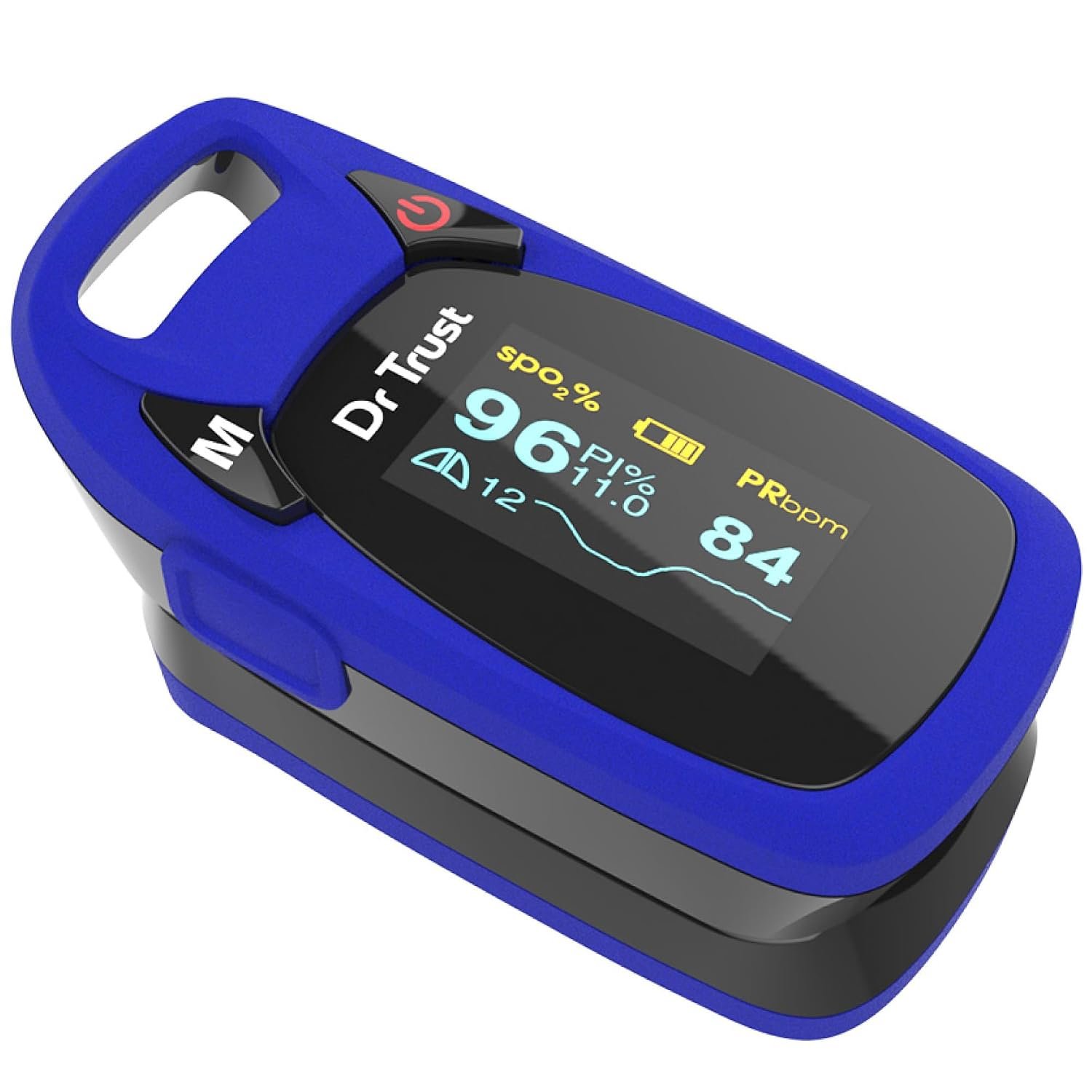
Dr Trust positions this device as a portable, fingertip pulse oximeter for noninvasive spot-check measurement of functional oxygen saturation (SpO2) and pulse rate. The product is intended for individuals who need to monitor these vital metrics regularly, whether due to chronic health conditions, fitness tracking, or general wellness awareness. According to the manufacturer, it also determines perfusion index and respiratory rate, expanding its utility beyond basic SpO2 and pulse rate checks.
Key Features and Specifications
The oximeter is designed for fingertip sensor placement, making it simple to use and suitable for quick spot-checks. It features a digital display, which allows for clear and immediate readouts of SpO2 and pulse rate. The device is described as portable, supporting its use both at home and while traveling. The manufacturer highlights its one-button operation, aiming for ease of use for a wide range of users.
General Context: Pulse Oximetry and Wellness Monitoring
Pulse oximeters are widely used for noninvasive measurement of blood oxygen saturation and pulse rate. These devices have become increasingly common in home wellness kits, especially among those managing respiratory or cardiovascular concerns. While such tools can provide useful spot-check data, they are not substitutes for professional medical evaluation or diagnosis.
Practical Considerations and Limitations
The Dr Trust Professional Series Fingertip Pulse Oximeter is positioned as an accessible way to check vital signs, but there is no product-specific performance evidence or clinical validation supplied. The manufacturer describes the device as accurate, but that claim is not independently verified in the available evidence. Usage directions and detailed operational guidance are not specified, so users may need to refer to the product manual for proper use. As with any home monitoring device, results should be interpreted cautiously and in consultation with a healthcare professional if concerns arise.