L’Oreal Paris Glycolic Bright Glowing Serum Review: Ingredient Transparency and Clinical Claims
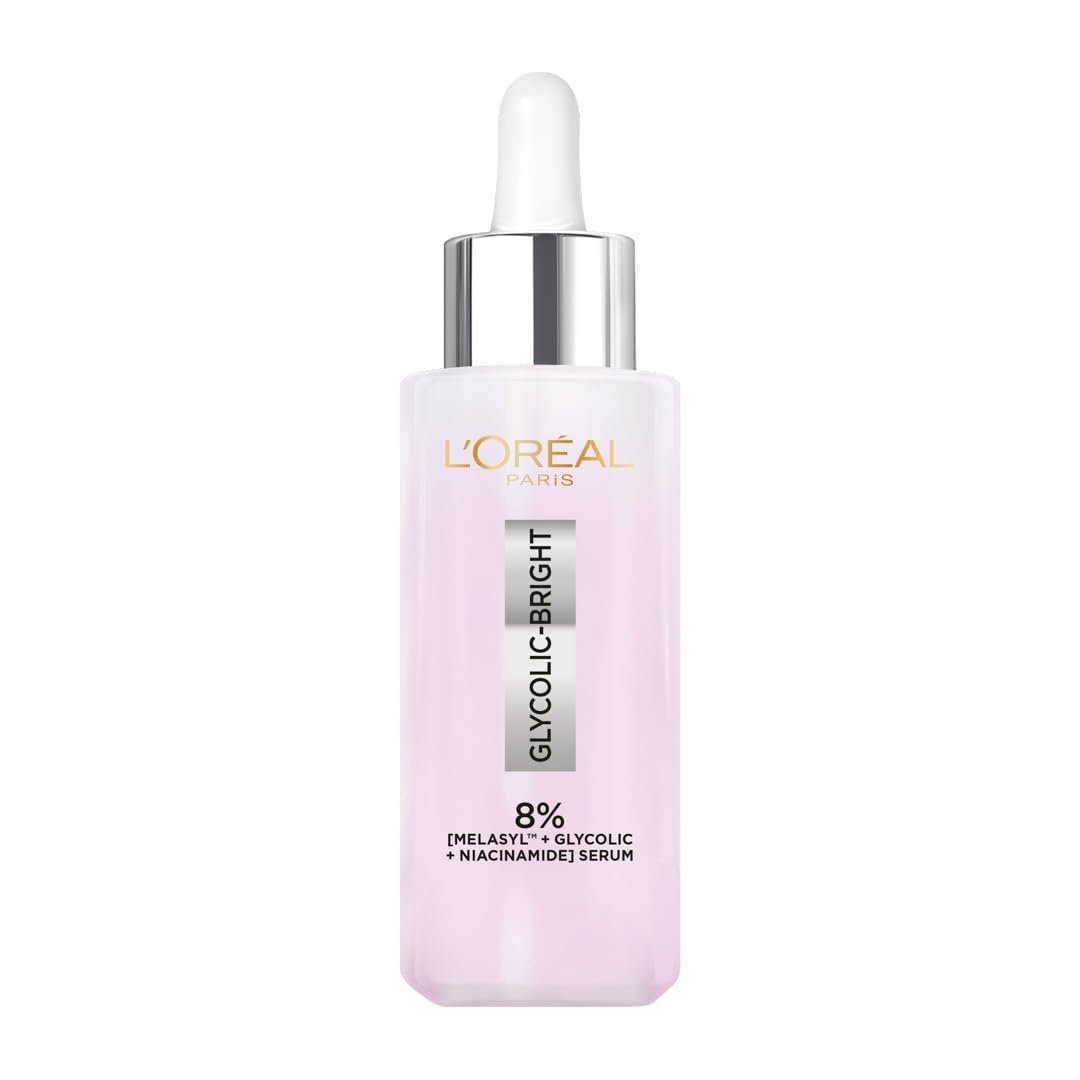
Addressing dark spots and uneven skin tone is a persistent concern for many, and L’Oreal Paris positions its Glycolic Bright Glowing Serum as a targeted solution. With glycolic acid as its featured ingredient and a suite of clinical claims, this serum aims to deliver visible results for a range of pigmentation issues. But how does the evidence stack up—and what should a discerning reader actually take from the data?
What Is L’Oreal Paris Glycolic Bright Glowing Serum Positioned to Do?
L’Oreal Paris frames the Glycolic Bright Glowing Serum as a face serum designed to reduce dark spots and brighten the skin for a more even, glowing complexion. The brand specifically highlights its relevance for concerns such as dark spots, uneven skin tone, post-acne marks, age spots, and sun spots. According to the manufacturer, the serum is suitable for all skin types, broadening its potential audience. The product is part of the Glycolic Bright family and comes in a 30 ml format.
Formulation and Ingredient Transparency
The serum’s formulation is fully disclosed, listing glycolic acid as the featured ingredient. Other notable components include niacinamide, 3-O-ethyl ascorbic acid (a vitamin C derivative), salicylic acid, sodium hyaluronate, and adenosine. This combination brings together some of the most widely used ingredients in brightening and skin-evening products. Glycolic acid, in particular, is well-established in cosmetic science for its ability to accelerate the shedding of dead skin cells, which can contribute to a more even complexion and improved skin texture. The inclusion of niacinamide and vitamin C derivatives aligns with common strategies for targeting pigmentation and supporting overall skin radiance.
Clinical Testing and Evidence
The brand cites clinical tests conducted on 88 women over eight weeks, with a detailed scorage of 176 dark spots. According to L’Oreal Paris, the serum is clinically proven to instantly brighten skin and reduce dark spots. The manufacturer further claims that after eight weeks, the serum reduces 77% of dark spots—including age spots, sun spots, and post-acne marks—and that 88% of women confirmed the color of their dark spots was lighter. Additionally, 86% noticed a reduction in the size of dark spots, and 85% reported a more even skin tone. These outcomes are supported by dermatologist testing on Asian skin, which may be especially relevant for readers with similar skin concerns or tones.
General Science Context: Glycolic Acid and Skin Brightening
Glycolic acid is a well-researched alpha hydroxy acid (AHA) commonly used in skincare for its exfoliating properties. Studies have shown that daily application of glycolic acid at low concentrations can accelerate the shedding of dead skin cells, promoting a smoother surface and more even skin tone. While this general science supports the rationale behind the serum’s formulation, it is important to note that the product’s specific performance claims are based on the manufacturer’s own clinical studies.
Practical Considerations and Limitations
The serum’s ingredient list is fully disclosed, which is a strength for transparency-minded consumers. It is also explicitly positioned for all skin types and a range of pigmentation concerns. However, the review does not include usage directions, so readers will need to consult the product packaging or official sources for application guidance. Price information is not specified, so cost considerations cannot be addressed here. The clinical testing details are robust, but as with any manufacturer-conducted study, readers should consider the context and potential limitations of such data.