Sunscreen Reapplication on a Workday: Commutes, Windows and Outdoor Breaks
Applying sunscreen before leaving home is a familiar part of many skincare routines. But knowing when to reapply it during a normal working day can be confusing.
You might apply SPF 50 at 8 AM, commute to the office, spend several hours indoors, step outside for lunch and travel home in the evening.
Should you reapply sunscreen every two hours, even while sitting at your desk? Does sunlight coming through office windows matter? What if you spend only fifteen minutes outdoors? And how should you reapply sunscreen when you are wearing makeup?
These questions matter because the commonly recommended two-hour reapplication interval is often misunderstood.
Sunscreen reapplication should account for actual UV exposure, product wear and daily activities—not simply the number of hours since your morning skincare routine.
Someone working outdoors for several hours has different sun-protection needs from someone spending the entire day in an interior office without direct sunlight.
At the same time, working indoors does not always mean UV exposure is completely absent. UVA radiation can pass through ordinary window glass, and commuting may expose the skin to sunlight even when travelling inside a vehicle.
This Physical Glow guide explains how to plan sunscreen application and reapplication around commuting, office windows, outdoor breaks, sweating and makeup without making your workday skincare unnecessarily complicated.
1. Why Is Sunscreen Important During a Workday?
Ultraviolet radiation from the sun can damage the skin, even when the exposure does not immediately produce a visible sunburn.
Two important categories of ultraviolet radiation are UVA and UVB.
UVA Radiation
UVA contributes to skin ageing and pigmentation changes and plays a role in skin cancer risk.
It can penetrate more deeply into the skin than UVB and is present throughout daylight hours.
Unlike UVB, some UVA can pass through ordinary window glass.
UVB Radiation
UVB is a major contributor to sunburn and also plays an important role in skin cancer.
Standard window glass blocks most UVB radiation, although the amount of protection depends on the type of glazing.
What This Means for Office Workers
Your exposure depends on where you spend your time.
A person seated beside a large sunlit window may experience different UVA exposure from someone working in a windowless interior room.
Likewise, a person travelling on a motorcycle has a different exposure pattern from someone travelling in a vehicle with UV-protective glazing.
The objective is to understand your exposure and select appropriate protection rather than assuming that every workday is identical.
2. What Does SPF 30 or SPF 50 Actually Mean?
SPF stands for Sun Protection Factor.
It primarily describes protection against sunburn-producing UV radiation under standardized testing conditions.
For example, SPF 30 and SPF 50 products are tested using a prescribed application amount.
However, the SPF printed on the packaging is not a guarantee of the protection achieved during ordinary use.
Why Application Quantity Matters
SPF testing uses a sunscreen application quantity of approximately 2 mg per square centimetre of skin.
Applying substantially less may provide less protection than the labelled SPF.
This is one reason a very thin layer of sunscreen under makeup may not deliver the protection people expect.
SPF 50 vs SPF 30
When tested and used correctly, SPF 50 provides greater UVB protection than SPF 30.
However, neither blocks all UV radiation.
A higher SPF does not automatically mean that sunscreen lasts longer on your skin.
Broad-Spectrum Protection
Because UVA and UVB both matter, choose a sunscreen offering appropriate broad-spectrum protection.
In India, products may also display PA ratings that communicate UVA protection performance under the applicable testing system.
The exact claims should be evaluated according to the product’s labelling.
For everyday use, an adequately applied broad-spectrum SPF 30 or higher is a common dermatological recommendation.
3. The Two-Hour Reapplication Rule: What Does It Really Mean?
Dermatologists commonly recommend reapplying sunscreen approximately every two hours while outdoors.
The American Academy of Dermatology also recommends reapplication after swimming or sweating, according to the product’s directions.
However, this guidance is often interpreted as meaning that everyone must reapply sunscreen every two hours, regardless of whether they are indoors, outdoors or exposed to sunlight.
That is an oversimplification.
When the Rule Is Particularly Relevant
Reapplication is important during continued outdoor exposure, especially when:
- You are walking outdoors.
- You are working outside.
- You are exercising in sunlight.
- You are spending several hours at a sporting event.
- You are swimming or sweating.
- Sunscreen may have been rubbed or wiped away.
What About Continuous Indoor Work?
If you spend several hours in an interior office away from windows and direct UV exposure, your reapplication needs may be lower during that period.
You may still need to reapply before returning outdoors, depending on how long it has been since your previous application and whether the product has worn off.
The Practical Rule
Think of the two-hour recommendation primarily as a guide for ongoing outdoor exposure.
During indoor periods, consider whether UV radiation reaches you and whether you will soon be outside again.
Do not assume that a morning application necessarily provides adequate protection for an outdoor commute many hours later.
4. A Typical Office Workday: When Should You Reapply?
Consider someone who works from 9 AM to 6 PM.
They apply sunscreen before leaving home, travel to work, remain indoors, step outside for lunch and commute home.
Illustrative sunscreen schedule for an office workday
- 7:30–8:30 AM — Morning applicationApply broad-spectrum sunscreen generously to exposed skin before the commute, following the product’s directions.
- 9 AM–12 PM — Indoor workIf working away from direct sunlight and UV-transmitting windows, routine reapplication may be less urgent than during continuous outdoor exposure.
- 12–2 PM — Outdoor lunch breakReapply appropriately before significant outdoor exposure, particularly if several hours have passed since the morning application.
- 2–5 PM — Indoor workConsider window exposure, product wear and your next outdoor activity.
- 5–7 PM — Evening commuteIf meaningful daylight exposure remains, restore sunscreen coverage before travelling outdoors.
Times are examples, not fixed reapplication instructions. UV exposure varies with season, location, weather, window type and personal activities.
The key is to identify periods of exposure rather than following an identical timetable every day.
A rainy winter workday may differ substantially from an October afternoon spent travelling around Jaipur.
5. Does Sunlight Through Office Windows Damage Skin?
Ordinary window glass generally blocks most UVB radiation but may allow a meaningful portion of UVA to pass through.
The actual amount depends on the glass and any UV-protective coatings or films.
This distinction matters because UVA contributes to photoageing and other forms of skin damage.
Sitting Near a Window
If your desk is directly beside a large window receiving sunlight, you may have more UVA exposure than someone working away from the windows.
Sitting Far From Windows
Exposure generally decreases when sunlight is not directly reaching the workspace, although room geometry and reflections can affect the amount.
UV-Protective Glass
Some modern glazing, laminated glass and specialized window films block substantial amounts of UVA.
However, not every office building uses the same glazing.
Should You Wear Sunscreen Indoors?
It can be sensible if you spend meaningful time beside windows that transmit UVA.
For someone working in an interior space with negligible sunlight, frequent indoor reapplication may provide less practical benefit.
The important distinction is actual UV exposure—not simply whether you are technically indoors.
6. Does Sunscreen Matter While Driving or Travelling in a Car?
Yes. Sun exposure inside a vehicle depends on the windows, the direction of sunlight and how long you travel.
Modern laminated windshields generally provide substantial UV protection.
However, side windows may transmit more UVA, especially without specialized UV-protective glass or film.
The Skin Cancer Foundation explains that ordinary side and rear vehicle windows can allow UVA exposure even when they block most UVB radiation.
skincancer.org
Driving to Work
If sunlight regularly reaches your face, arms or hands during a long commute, use appropriate protection.
Pay attention to:
- The side of your face facing the window.
- The backs of your hands.
- Exposed forearms.
- The neck and ears.
What About Tinted Windows?
Dark-looking glass does not necessarily provide comprehensive UV protection.
UV-blocking properties depend on the glass or film, not just how dark it appears.
If you spend long periods driving, consider verified UV-protective glazing or films that comply with local vehicle regulations.
Does Car Air Conditioning Reduce UV Exposure?
No.
Air conditioning influences temperature, not the amount of sunlight passing through glass.
You may feel cool while still receiving UVA exposure.
7. Sunscreen During Motorcycle, Scooter and Auto-Rickshaw Commutes
Open or partially open transport can result in more direct UV exposure than an enclosed vehicle.
For a motorcycle or scooter commute, the face, neck, hands and arms may receive substantial daylight exposure.
Practical Protection
Consider a combination of:
- Broad-spectrum sunscreen.
- A suitable helmet and visor.
- Protective clothing.
- Full-coverage gloves where appropriate.
- UV-protective sunglasses compatible with your helmet.
- Reapplication when needed.
A helmet visor should not automatically be assumed to provide comprehensive UV protection.
Its performance depends on the visor material and any relevant UV-protection specifications.
Sweat and Friction Matter
Helmets and straps may rub against sunscreen-covered skin.
Sweating can also affect product wear.
If you remove your helmet and find that sunscreen has been disturbed around the forehead, temples or jawline, restore coverage before further sun exposure.
For someone commuting in hot weather, a suitable water-resistant sunscreen may be more practical.
8. Do Short Outdoor Breaks Require Sunscreen Reapplication?
Office workers often have short periods of outdoor exposure.
Examples include walking to a nearby café, waiting for a taxi, taking a phone call outside or visiting another building.
The appropriate response depends on the amount and intensity of exposure.
A Five-Minute Outdoor Break
A brief trip outdoors is different from spending two hours walking in direct sunlight.
If you applied sunscreen adequately and recently, an immediate additional application may not always be necessary.
However, factors such as intense sunlight, product removal and personal photosensitivity can affect the decision.
A Twenty-Minute Lunch Walk
If several hours have passed since the morning application, refreshing sunscreen before spending time outdoors can be sensible.
This is particularly relevant around midday when UV exposure may be substantial.
Several Outdoor Meetings
Repeated exposure throughout the day can add up.
If you move frequently between indoor and outdoor locations, treat sun protection more like an outdoor-work routine.
A short outdoor break should not automatically be considered harmless, especially when UV levels are high.
9. Does Cloudy Weather Mean You Can Skip Sunscreen?
No.
Cloud cover can reduce UV radiation, but it does not necessarily eliminate it.
Depending on the type and distribution of clouds, meaningful UV exposure can still occur.
A cloudy day is not proof that the UV index is low.
What Should Office Workers Do?
If you expect outdoor exposure, follow a sensible sun-protection routine even when the sky is cloudy.
Your location, time of day and current UV conditions matter more than how bright the weather looks.
What About Rainy Days?
During heavy rain, outdoor UV exposure may be reduced, but the amount varies.
If the day includes meaningful periods outside, broad-spectrum protection remains useful.
Avoid assuming that an overcast sky removes the need for sunscreen.
10. How Does the UV Index Affect Your Workday Routine?
The UV Index is a measure of the intensity of sunburn-producing ultraviolet radiation reaching the Earth’s surface.
It can help inform decisions about outdoor sun protection.
UV Index reference
| UV Index | Exposure category | General interpretation |
|---|---|---|
| 0–2 | Low | Lower sunburn risk under ordinary conditions |
| 3–5 | Moderate | Sun protection recommended |
| 6–7 | High | Greater need for protective measures |
| 8–10 | Very high | Strong precautions during outdoor exposure |
| 11+ | Extreme | Limit exposure and use substantial protection |
Categories describe UV exposure intensity, not an individual’s safe exposure duration. People with photosensitivity or other risk factors may require protection even at lower UV levels.
Why UV Index Is Useful for Commuters
A 15-minute walk at midday under high UV conditions can be more concerning than a similar walk when UV levels are low.
Therefore, planning protection solely by the length of an outdoor break can be misleading.
Does Temperature Indicate UV Intensity?
Not reliably.
A cool day can still have significant UV radiation.
Likewise, a very hot day does not always have the highest UV levels.
11. How to Reapply Sunscreen Over Makeup at Work
Reapplying sunscreen during the day can be inconvenient when you wear foundation, concealer, powder or other makeup.
However, preserving makeup should not take priority over adequate sun protection.
Option 1: Sunscreen Lotion or Cream
A suitable lotion offers a familiar application method.
The main challenge is that rubbing the product across makeup may disturb the finish.
For people who spend substantial time outdoors, accepting some makeup disruption may be preferable to using an inadequate amount of sunscreen.
Option 2: Sunscreen Stick
A stick can be portable and convenient for targeted application.
However, one light swipe may deposit too little product.
The AAD recommends several passes across each area and rubbing the sunscreen in to improve evenness.
Sticks should be applied thoroughly rather than used as a minimal cosmetic touch-up.
Option 3: Sunscreen Powder
Some powders carry SPF claims.
However, achieving a sufficient and uniform application amount with powder can be difficult during normal makeup use.
Do not assume that a light dusting of SPF powder replaces an adequate sunscreen application.
Option 4: Sunscreen Spray
Sprays may be convenient, but correct application is important.
Do not spray sunscreen directly toward the face unless the product specifically permits that method.
Follow the instructions for application amount, spreading and inhalation precautions.
Which Is Best?
The best option is the one that allows you to apply the necessary amount evenly.
For many people, a lotion for the initial application and a suitable portable product for reapplication is practical.
But a convenient format does not guarantee adequate SPF.
12. Does Makeup With SPF Count as Sunscreen?
Foundation, BB cream and tinted moisturizer may contain sunscreen ingredients.
However, the labelled SPF is established using standardized application methods.
People often apply cosmetic products much more thinly than dedicated sunscreen.
Therefore, the protection obtained from normal makeup application may be lower than expected.
SPF Foundation Plus SPF 50 Sunscreen
If you apply SPF 50 sunscreen and then use foundation containing SPF 20, the protection levels do not simply add together to create SPF 70.
Sun protection depends on the resulting applied layers and their performance.
Should You Still Use Dedicated Sunscreen?
A dedicated sunscreen applied generously is generally a more dependable foundation for UV protection.
Makeup with SPF may provide additional coverage but should not automatically replace appropriate sunscreen.
Tinted Sunscreen and Pigmentation
For people concerned about hyperpigmentation, certain tinted sunscreens containing iron oxides may offer protection against some visible-light wavelengths associated with pigmentation.
The American Academy of Dermatology specifically discusses tinted sunscreen containing iron oxides for people seeking additional protection against dark spots.
aad.org
13. What If Your Sunscreen Pills During Reapplication?
Pilling occurs when products form small visible rolls or flakes on the skin.
It may happen when sunscreen is layered over moisturizer, makeup or existing sunscreen.
Potential Causes
- Applying several incompatible formulations.
- Excessive rubbing.
- Product buildup.
- Applying too much of a particular skincare layer.
- Certain film-forming ingredients.
- Interaction between sunscreen and makeup.
Practical Adjustments
Use a simpler morning routine.
Apply each product according to its directions.
Avoid unnecessary rubbing.
If repeated applications become uncomfortable, consider a sunscreen formulation that layers better with your existing products.
Should You Use Less Sunscreen?
Not below the recommended quantity.
Reducing sunscreen to a barely visible amount may improve cosmetic appearance but compromise protection.
The appropriate solution is to find a workable application method, not systematically underapply.
14. When Sweat Changes Your Reapplication Schedule
Sweating can affect sunscreen coverage.
This is particularly relevant during hot commutes, outdoor lunch breaks and workplace exercise.
Water-Resistant Sunscreen
Some sunscreens carry water-resistance claims based on standardized testing.
Under US labelling rules, qualifying products may be labelled water resistant for 40 or 80 minutes.
These designations are not a promise that sunscreen remains fully protective indefinitely.
The FDA advises reapplication after sweating, swimming and towel drying according to the label.
accessdata.fda.gov
What If You Sweat During the Commute?
If your face becomes heavily sweaty and you wipe it with a towel, sunscreen coverage may be reduced.
Reapply as appropriate before further UV exposure.
Can You Just Pat Away Sweat?
Gentle blotting may disturb sunscreen less than vigorous wiping, but some removal is still possible.
Do not assume the original protection remains unchanged after repeated contact.
Is Water-Resistant Sunscreen Always Better for Office Work?
Not necessarily.
If you mainly work indoors and experience minimal sweating, you may prefer a comfortable everyday formula.
For long outdoor commutes or physical activity, water resistance becomes more important.
15. Does Sunscreen Need Reapplication When You’re Working From Home?
Working from home can create several different exposure patterns.
Working in an Interior Room
If you remain away from direct sunlight and UV-transmitting windows, your indoor UV exposure may be relatively limited.
Frequent reapplication may be less important during those hours than during outdoor activity.
Working Beside a Sunlit Window
You may receive meaningful UVA exposure through ordinary glass.
Broad-spectrum sunscreen or other appropriate UV protection may be useful.
Working on a Balcony or Terrace
This is outdoor exposure.
Follow standard outdoor sun-protection guidance, including appropriate reapplication.
Stepping Outside for Errands
If you expect to go outdoors after several hours inside, consider refreshing coverage before leaving.
The most useful question is not simply whether you are working from home.
It is how much UV exposure your location and activities create.
16. How to Choose Sunscreen for a Workday
A sunscreen intended for daily office use should offer appropriate protection while fitting comfortably into your routine.
| Buying factor | Why it matters |
|---|---|
| Broad-spectrum protection | Helps address UVA and UVB exposure |
| SPF 30 or higher | Common dermatological recommendation |
| Comfortable texture | Encourages consistent, adequate application |
| Water resistance | Useful for sweaty commutes or outdoor activity |
| Makeup compatibility | Important for people who wear cosmetics |
| Eye-area comfort | Helps reduce discomfort from product migration |
| Portability | Makes reapplication easier |
| Package size | Affects practicality and cost per application |
| Price | Important for a product used regularly |
Gel Sunscreens
Some users prefer their lightweight finish.
However, the word gel does not establish water resistance or superior protection.
Cream Sunscreens
These may appeal to people who prefer richer textures.
The formula should still be comfortable enough for adequate use.
Sunscreen Sticks
Useful for portable application, but thorough coverage matters.
Tinted Sunscreens
May be useful for people who want cosmetic coverage or particular visible-light protection.
What About SPF 50 PA++++?
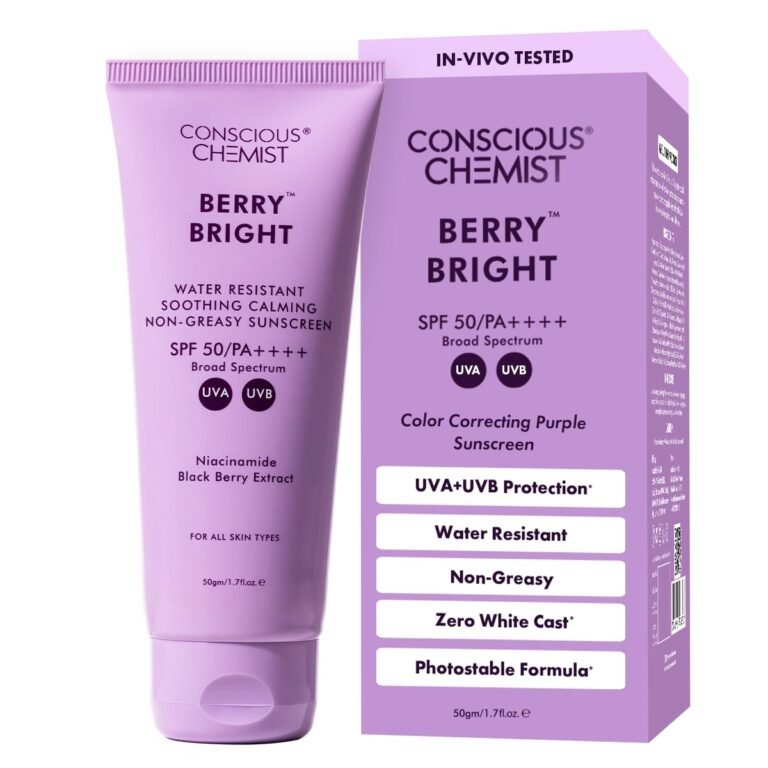
A suitable broad-spectrum SPF 50 product with a strong UVA protection rating can be a practical choice.
However, high numerical ratings do not compensate for applying too little or neglecting reapplication during prolonged exposure.
For product comparisons, see Physical Glow’s Best Sunscreens in India: Top 5 SPF 50 Options for Daily Use buying guide.
That article compares different sunscreen products. This guide focuses on how to incorporate sun protection into a realistic working day.
17. A Workday Sunscreen Planning Tool
Different work environments create different protection needs.
Use this planner to identify the most relevant considerations for your routine.How do you usually commute?Enclosed vehicleMotorcycle / scooter / open transportWalking or cyclingWorking from homeWhere do you work?Interior room, away from windowsDesk near sunlit windowsRegular outdoor workHow much time do you spend outside during breaks?Brief outdoor breaksExtended outdoor lunch / errandsNo planned outdoor breaks
Your workday considerations
Check the likely UVA exposure through side windows, especially on longer journeys. Window UV protection varies.
An interior office away from sunlight may involve lower UV exposure, so reapplication decisions can focus on upcoming outdoor periods.
Short trips still create UV exposure. Consider the UV Index, prior sunscreen application and cumulative time outside.
This planner illustrates exposure considerations; it does not measure UV exposure or replace sunscreen label instructions or individualized medical guidance.
18. Common Sunscreen Reapplication Mistakes at Work
Mistake 1: Assuming SPF 50 Lasts the Entire Day
A high SPF does not eliminate the need for appropriate reapplication.
Mistake 2: Reapplying Too Little
A minimal layer applied to preserve makeup may not achieve the labelled protection.
Mistake 3: Ignoring the Evening Commute
If meaningful daylight exposure remains after work, sunscreen coverage may need refreshing.
Mistake 4: Assuming Office Windows Block All UV
Ordinary glass blocks much UVB but can transmit UVA.
Mistake 5: Treating Every Indoor Hour Like Outdoor Exposure
UV exposure varies significantly between interior rooms, sunlit windows and outdoor environments.
Mistake 6: Using SPF Makeup as the Only Protection
Normal cosmetic application amounts may be insufficient to achieve the labelled SPF.
Mistake 7: Forgetting the Neck and Ears
Exposed areas need protection even when the face has been covered carefully.
Mistake 8: Ignoring Sunscreen Removed by Towels or Clothing
Rubbing and wiping can disturb coverage.
Mistake 9: Believing Water-Resistant Means Waterproof
No sunscreen should be assumed completely waterproof.
Mistake 10: Depending on Sunscreen Alone
Protective clothing, shade and UV-protective accessories remain important.
19. A Quick Sunscreen Checklist Before Leaving the Office
Before your evening commute
0/6I checked whether significant daylight exposure remains.My face, ears, neck and other exposed skin have appropriate protection.I considered how long it has been since my last application.I checked whether sweat, wiping or friction may have disturbed coverage.I have sunscreen available if reapplication is needed.I considered a hat, protective clothing or shade for outdoor travel.
Review these points before heading outdoors. Reset checklist
20. Frequently Asked Questions
Do I need to reapply sunscreen every two hours in an office?
The two-hour recommendation is particularly important during ongoing outdoor exposure. If you work away from sunlight indoors, repeated application may be less urgent. Reapply appropriately before returning outdoors and follow product instructions.
Does sunscreen wear off even when I am indoors?
Sunscreen can be disturbed by rubbing, touching, sweat and other factors. Its condition may change even without direct sunlight, although the need for renewed UV protection depends on exposure.
Can UVA pass through office windows?
Yes. Ordinary window glass may transmit UVA, although the amount varies with the type of glass and protective coatings.
Should I apply sunscreen while working from home?
Consider whether you spend time near windows transmitting UVA, outdoors or in other situations involving sunlight.
Is sunscreen necessary while driving?
It can be, especially during prolonged daylight driving when UVA reaches exposed skin through side windows.
Do tinted car windows block UVA?
Some glazing and films provide substantial UV protection, but darkness alone does not confirm effectiveness.
Should I reapply sunscreen before lunch?
If you plan significant outdoor exposure and several hours have passed since the morning application, reapplying before going outside is sensible.
Does a 10-minute outdoor walk require sunscreen?
Even brief exposure contributes to cumulative UV exposure. The need for additional application depends on existing coverage, UV conditions and product wear.
Can I reapply sunscreen over foundation?
Yes. Use a method that allows adequate, even coverage, recognizing that it may alter the makeup finish.
Is a sunscreen stick enough for office touch-ups?
It can be useful if applied generously and thoroughly. A single light swipe should not be assumed to provide the labelled SPF.
Is SPF powder enough for reapplication?
Normal cosmetic use may deposit too little product to achieve the labelled SPF. Do not assume a light dusting replaces adequate sunscreen application.
Does SPF 50 last longer than SPF 30?
Not inherently. SPF describes relative sunburn protection under testing conditions, not a guaranteed duration of wear.
FDA
Should I reapply after sweating during my commute?
Yes, as directed, especially after heavy sweating or wiping the skin. Water-resistant sunscreen does not eliminate reapplication requirements.
Can I skip sunscreen on cloudy workdays?
Clouds do not necessarily eliminate UV exposure. Consider the UV Index and your outdoor activities.
Is sunscreen necessary during winter?
UV exposure occurs throughout the year. The level depends on location, time, weather and environmental conditions.
What if I work entirely indoors without windows?
Your direct solar UV exposure may be minimal during indoor hours. Plan appropriate protection for commuting and any outdoor activities.
Does blue light from office screens require sunscreen?
The UV-protection recommendations in this article concern sunlight. Ordinary electronic screens are not comparable to sunlight as sources of UVA and UVB exposure. People managing pigmentation disorders should discuss their individual visible-light protection needs with a dermatologist.
Can I combine SPF moisturizer and SPF foundation?
Yes, but the SPF values do not simply add together. Ensure adequate sunscreen coverage rather than relying on arithmetic.
Do I need sunscreen after sunset?
Once solar UV exposure is no longer present, sunscreen is generally unnecessary solely for protection against sunlight.
What is the best sunscreen for commuting in India?
Choose an appropriately labelled broad-spectrum SPF 30 or higher product that you can apply generously and reapply comfortably. Water resistance becomes particularly relevant for hot, sweaty or outdoor commutes.
21. Final Verdict: Plan Reapplication Around Your Actual Exposure
A practical workday sunscreen routine does not need to involve blindly reapplying product every two hours regardless of where you are.
Instead, consider the periods when your skin is meaningfully exposed to UV radiation.
Morning application is a useful foundation before commuting.
If you work indoors away from sunlight, your reapplication needs may differ from those of someone working outdoors or sitting beside a large sunlit window.
Before extended lunch breaks, outdoor meetings or a daylight commute home, consider whether sunscreen coverage needs refreshing.
Pay attention to sweat, rubbing and towel drying because these can disturb the sunscreen film.
Choose a formulation that fits your routine, and do not sacrifice adequate application simply to preserve makeup.
Most importantly, remember that sunscreen works best alongside shade, protective clothing and sensible exposure habits.
The goal is not to apply sunscreen as frequently as possible. It is to maintain appropriate protection when UV exposure actually occurs.
Editorial References and Further Reading
- American Academy of Dermatology — How to Apply Sunscreen. Guidance on application quantity and outdoor reapplication.
- American Academy of Dermatology — Practice Safe Sun. Recommendations on SPF, shade, clothing and UVA/UVB protection.
- Skin Cancer Foundation — Car Window Tint and UV Protection. Explanation of UVA transmission through vehicle glass.
- US Food and Drug Administration — Tips to Stay Safe in the Sun. Sunscreen labelling, water resistance and reapplication recommendations.
- US FDA — Sun Protection Factor (SPF). Explains why SPF is not a measure of safe time in sunlight.
Physical Glow Editorial Note: This article provides general sun-protection education and does not replace medical advice. People with photosensitivity disorders, a history of skin cancer, melasma or medication-related sun sensitivity may need stricter individualized protection recommendations from a qualified dermatologist.