Exfoliating Pads Aftercare: A Simple Barrier-Friendly Next-Day Routine
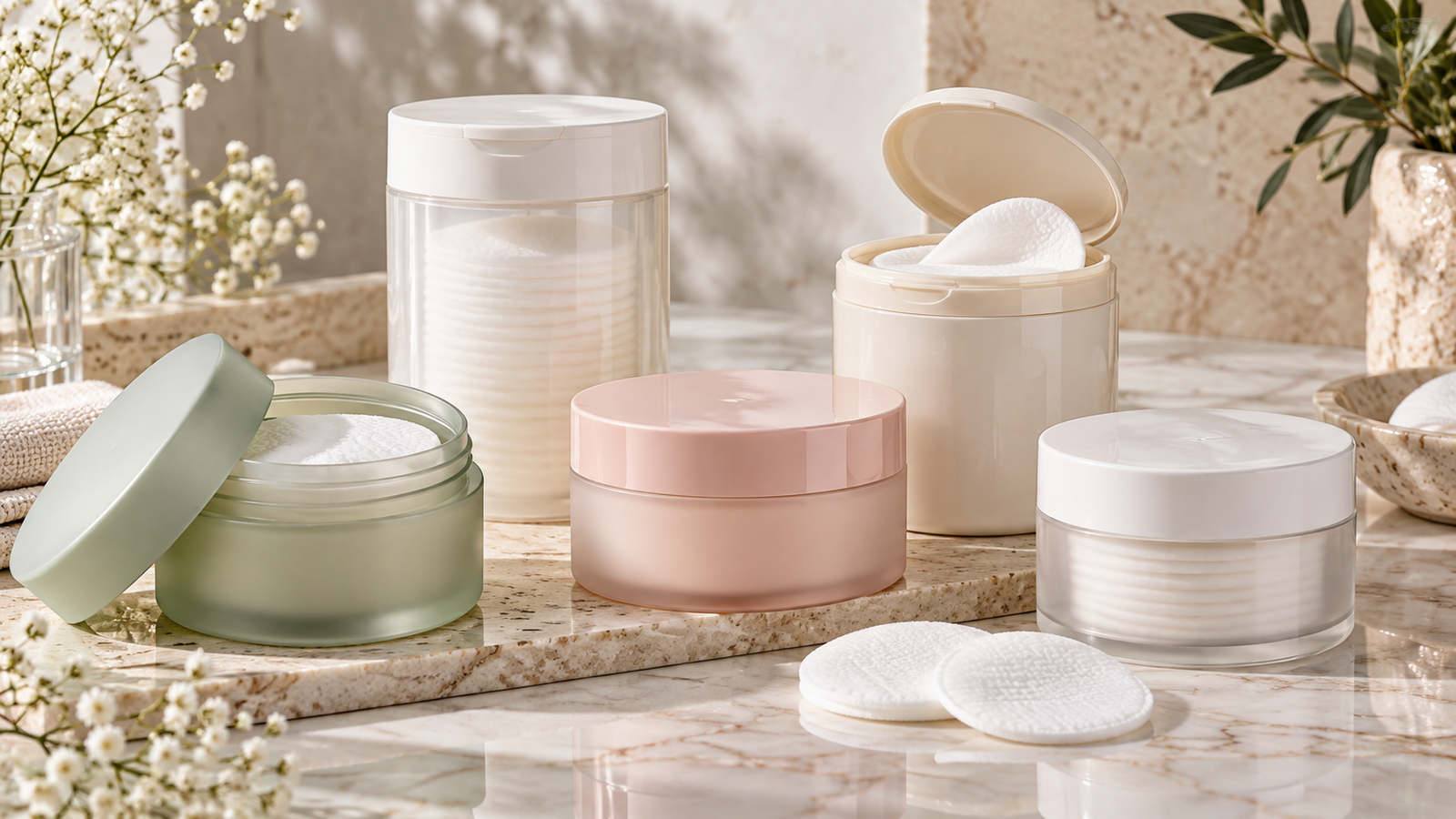
Exfoliating pads have become popular because they make chemical exfoliation convenient. Instead of measuring out an acid-based toner or serum, you can wipe a pre-soaked pad across your skin and continue with your skincare routine.
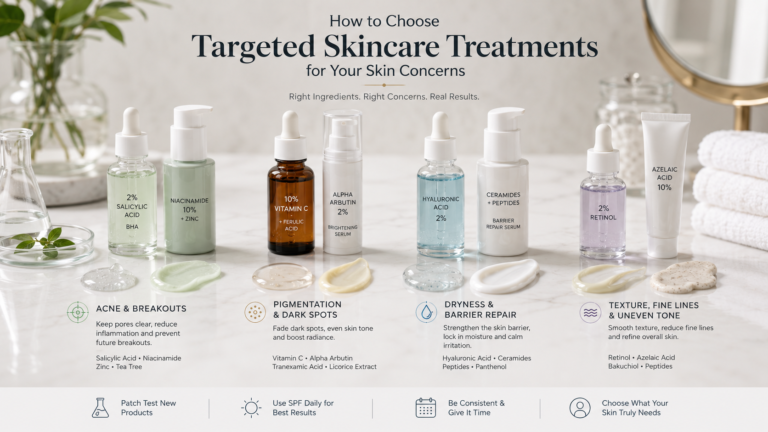
Many exfoliating pads contain ingredients such as glycolic acid, lactic acid, salicylic acid or polyhydroxy acids (PHAs). These ingredients may help improve uneven texture, surface dullness or clogged pores when used appropriately.
However, the results of exfoliation depend on more than the pad itself.
What you apply afterward—and how you care for your skin the following day—can determine whether your routine remains comfortable or becomes irritating.
A common mistake is combining exfoliating pads with several other active ingredients because each product promises a different benefit. Someone might use an exfoliating pad at night, follow it with a retinol serum and apply another acid-based treatment the next morning.
This can create unnecessary irritation, especially if the skin is sensitive or the exfoliating product is stronger than expected.
A better approach is to focus on gentle cleansing, suitable moisturization, sun protection and careful observation of how your skin responds.
This guide explains exactly what to do after using exfoliating pads, which ingredients to approach cautiously, how to build a simple next-day routine and when to stop exfoliating altogether.
1. What Happens to Your Skin After Exfoliating?
Exfoliation removes or loosens some of the cells on the outer surface of the skin.
The outermost skin layer, called the stratum corneum, contains flattened skin cells embedded in a lipid-rich structure that helps regulate moisture loss and protect the skin from environmental irritants.
Chemical exfoliants work through different mechanisms depending on their ingredients, concentration, pH and formulation.
Alpha Hydroxy Acids (AHAs)
Common AHAs include:
- Glycolic acid.
- Lactic acid.
- Mandelic acid.
AHAs help loosen associations between surface skin cells and encourage exfoliation.
They are commonly used to improve the appearance of uneven texture, dullness and certain pigmentation concerns.
Some AHA products can also increase susceptibility to sunburn, making consistent sun protection especially important.
Beta Hydroxy Acids (BHAs)
Salicylic acid is the most common BHA used in skincare.
It can help address clogged pores and is widely used in products designed for oily or acne-prone skin.
However, salicylic acid can still cause dryness or irritation, particularly when combined with other treatments.
Polyhydroxy Acids (PHAs)
Ingredients such as gluconolactone and lactobionic acid are often marketed as gentler exfoliating options.
Some people tolerate them better than stronger AHA products, but a PHA formulation is not automatically non-irritating.
Concentration, pH, frequency and other ingredients still matter.
Why Aftercare Matters
Exfoliation is intended to influence the skin’s outer layers.
If a product is too strong, used too frequently or combined with too many potentially irritating ingredients, the result may be uncomfortable skin rather than a smoother complexion.
Possible signs of irritation include:
- Burning or stinging.
- Tightness.
- Increased redness.
- Flaking.
- Unusual sensitivity.
- Rough patches.
- Discomfort when applying ordinary moisturizer.
A well-managed exfoliation routine should not require you to tolerate significant irritation to see results.
2. Exfoliating Pads vs Hydrating Toner Pads: Know the Difference
Not every pre-soaked facial pad is an exfoliating treatment.
Some pads are primarily designed to hydrate or soothe the skin.
Others contain chemical exfoliants.
This distinction is important because the appropriate frequency and aftercare may differ.
| Pad category | Common ingredients | Main purpose | Aftercare consideration |
|---|---|---|---|
| AHA exfoliating pads | Glycolic, lactic or mandelic acid | Surface exfoliation | Monitor irritation and prioritize sunscreen |
| BHA exfoliating pads | Salicylic acid | Pore-focused exfoliation | Watch for dryness, particularly with acne treatments |
| PHA exfoliating pads | Gluconolactone or related ingredients | Exfoliation | Still monitor tolerance |
| Hydrating toner pads | Glycerin, panthenol, hyaluronic acid | Hydration and comfort | Usually less emphasis on exfoliation-related irritation |
| Calming pads | Centella, allantoin, soothing agents | Skin comfort | Depends on the complete formula |
A product may combine several categories.
For example, a pad containing salicylic acid, niacinamide and soothing ingredients is still an exfoliating product if the salicylic acid is present at a functional concentration in an appropriate formulation.
Do not rely only on words such as calming, daily or gentle.
Read the ingredient list and instructions.
3. What Should You Do Immediately After Using an Exfoliating Pad?
The first step is to follow the product’s specific directions.
Some exfoliating pads are designed to remain on the skin after wiping.
Others may have different use instructions.
Do not assume every exfoliating pad is a leave-on product.
For a typical leave-on exfoliating pad, the routine can remain simple.
Example evening routine after a leave-on exfoliating pad
- Cleanse gentlyRemove makeup, sunscreen and daily buildup with a suitable cleanser.
- Use the exfoliating pad as directedAvoid excessive pressure, repeated scrubbing and sensitive areas not approved by the manufacturer.
- Allow the product to settle according to instructionsDo not add unnecessary waiting periods unless the product recommends them.
- Apply a comfortable moisturizerChoose a formulation that supports hydration without causing stinging or discomfort.
- Avoid adding unnecessary active treatmentsParticularly when the exfoliating product is new or your skin is sensitive.
There is no requirement to apply multiple toners, serums, essences and masks after exfoliation.
For many people, a suitable moisturizer is enough.
4. The Next Morning: A Barrier-Friendly Routine
The morning after exfoliating should generally prioritize skin comfort and UV protection.
You do not need to use another exfoliating product simply because your skin feels smooth.
A practical routine can contain three basic steps.
Next-morning skincare routine
- Gentle cleansingUse a mild cleanser if needed. Avoid aggressive scrubbing or unnecessarily harsh cleansing.
- MoisturizerApply a product that keeps your skin comfortable and reduces dryness.
- Broad-spectrum sunscreenUse SPF 30 or higher, apply an adequate amount and reapply appropriately during continued outdoor exposure.
This routine is intentionally uncomplicated.
The objective is to avoid creating additional irritation while maintaining hydration and protection.
Do You Need to Wash Your Face Again?
It depends on your skin type and preferences.
Some people prefer a gentle cleanser in the morning.
Others with dry or sensitive skin may find that rinsing with lukewarm water is sufficient.
There is no need to aggressively cleanse simply because you exfoliated the night before.
Should You Apply a Serum?
A serum is optional.
If you already tolerate a simple hydrating serum, it may fit your routine.
However, the morning after introducing a new exfoliating pad is not the best time to experiment with several unfamiliar treatments.
5. Why Sunscreen Is Especially Important After Exfoliation
Sun protection should be part of an ordinary daily skincare routine, but it becomes particularly important when using certain exfoliating acids.
The US Food and Drug Administration has highlighted that AHAs can increase skin sensitivity to sunlight, including sunburn risk.
Its consumer guidance advises sun protection during AHA use and for a period after discontinuing these products.
What This Means Practically
If you use AHA-containing pads:
- Apply broad-spectrum sunscreen appropriately.
- Reapply during prolonged outdoor exposure.
- Seek shade when practical.
- Use protective clothing and hats.
- Avoid intentional tanning.
The FDA’s AHA sun-sensitivity guidance recommends sun protection during use and for a week after stopping, although actual risk depends on the formulation and exposure.
Can You Use Exfoliating Pads at Night and Skip Sunscreen?
No.
Evening application does not eliminate the need for daytime protection.
A product does not necessarily stop affecting the skin simply because it was applied before bedtime.
Does SPF 50 Solve Everything?
Higher SPF can provide greater UVB protection under appropriate testing conditions, but no sunscreen blocks all ultraviolet radiation.
Application quantity, even coverage, reapplication and complementary sun-protective measures remain essential.
6. What Ingredients Are Useful for Aftercare?
A barrier-friendly moisturizer may contain humectants, emollients and ingredients that help reduce moisture loss.
The best formula is one that your skin tolerates comfortably.
Glycerin
Glycerin is a humectant that helps support hydration in the skin’s outer layers.
It is commonly included in lightweight lotions, gels and creams.
Hyaluronic Acid
Hyaluronic acid is another humectant used to improve the feel of hydration.
However, the presence of hyaluronic acid alone does not establish that a product will provide adequate barrier support.
Ceramides
Ceramides are naturally occurring lipids within the skin barrier.
Ceramide-containing formulations may support barrier-related skincare needs, depending on the complete formula.
Panthenol
Panthenol is commonly included in moisturizing and soothing skincare products.
It can be useful in products intended to improve skin comfort.
Petrolatum and Dimethicone
These ingredients can reduce moisture loss by providing occlusive protection.
They may be particularly useful in richer products intended for dry areas.
Niacinamide
Niacinamide can support certain skin-barrier functions and is generally well tolerated in many formulations.
However, high-strength products may irritate some users.
There is no need to add a concentrated niacinamide serum immediately after exfoliating if your existing moisturizer already works well.
7. Moisturizer Texture After Exfoliation: Gel, Lotion or Cream?
There is no universal rule that everyone should use a thick cream after exfoliating.
The appropriate texture depends on the skin’s needs.
| Skin condition | Potentially suitable starting texture |
|---|---|
| Oily skin without dryness | Lightweight lotion or gel-cream |
| Normal skin | Comfortable lotion or cream |
| Dry skin | Richer moisturizing cream |
| Combination skin | Lightweight base with richer care on dry areas |
| Sensitive or irritated skin | Simple, well-tolerated moisturizing formula |
| Significant flaking or discomfort | Stop exfoliation and consider professional advice if persistent |
A cream is not automatically better than a lotion.
Likewise, a lightweight moisturizer is not necessarily inadequate.
Formulation matters more than texture labels.
What If Your Moisturizer Stings?
If a familiar moisturizer suddenly causes burning after exfoliation, your skin may be irritated.
Do not continue layering multiple products in an attempt to correct the problem.
Stop the suspected irritating exfoliant, keep the routine gentle and seek medical advice if symptoms are significant or persist.
8. Which Ingredients Should You Avoid Layering Immediately After Exfoliating?
Certain combinations can increase the likelihood of dryness or irritation, particularly when used without a clear treatment plan.
Retinoids
Retinol, retinal and prescription retinoids can cause dryness or irritation.
Combining a new exfoliating pad with a retinoid on the same evening may be poorly tolerated.
Some people can use both in carefully structured routines, but that does not mean everyone should.
Benzoyl Peroxide
Benzoyl peroxide is commonly used in acne treatment.
It can also cause irritation and dryness.
If you already use benzoyl peroxide, introducing exfoliating pads requires additional care.
Additional AHAs or BHAs
Using an acid-containing cleanser, exfoliating pad and exfoliating serum together can create unnecessarily high cumulative exposure.
More exfoliation does not automatically improve results.
Physical Scrubs
Abrasive facial scrubs used immediately after chemical exfoliation can increase friction and discomfort.
Strongly Fragranced Products
Fragrance is not universally harmful, but some people experience irritation or allergy.
If your skin is temporarily sensitive, a simple fragrance-free formulation may be preferable.
Important Qualification
These combinations are not all universally forbidden.
Some dermatologists prescribe or recommend multiple active ingredients in structured treatment routines.
The concern is unplanned layering, particularly when several products are new or the skin is already irritated.
9. Is It Safe to Use Vitamin C the Morning After Exfoliating?
Vitamin C skincare products vary widely.
A gentle vitamin C derivative in a moisturizing formula may behave differently from a concentrated, low-pH L-ascorbic acid serum.
Some users can tolerate vitamin C after exfoliation without difficulty.
Others may experience stinging or increased sensitivity.
Practical Advice
If vitamin C is already part of your routine and your skin tolerates it well, you may not need to stop it automatically.
However, after introducing a new exfoliating pad, a simplified routine can make it easier to identify irritation.
If your skin feels uncomfortable, prioritize a gentle cleanser, moisturizer and sunscreen.
Do not add vitamin C simply because you believe it will improve exfoliation results.
10. Can You Use an Exfoliating Pad Again the Next Day?
That depends on the product, its strength, the manufacturer’s instructions and your skin tolerance.
Some pads are marketed for frequent use.
Others are intended for occasional exfoliation.
Even when a product is labelled daily, that does not mean daily use is appropriate for every person.
Start Conservatively
If you are new to chemical exfoliation, consider beginning less frequently than the maximum suggested schedule, provided this is consistent with the product’s instructions.
For example, some people begin with one or two applications weekly and adjust based on tolerance.
This is a general cautious approach, not a universal prescription.
Why Frequency Matters
Skin irritation can develop cumulatively.
A product may feel comfortable after one use but cause dryness or stinging after repeated applications.
Observe how your skin responds over several days rather than judging tolerance from a single evening.
11. A Practical Seven-Day Exfoliation Example
The following schedule illustrates how someone introducing a leave-on exfoliating pad might avoid unnecessary active-product overlap.
It is not a requirement to follow this exact calendar.
| Day | Evening routine | Main priority |
|---|---|---|
| Monday | Gentle cleanser, exfoliating pad if appropriate, moisturizer | First application |
| Tuesday | Gentle cleanser and moisturizer | Observe skin response |
| Wednesday | Gentle cleanser and moisturizer | Maintain comfort |
| Thursday | Gentle cleanser and moisturizer | Avoid unnecessary exfoliation |
| Friday | Consider another application only if appropriate and tolerated | Controlled frequency |
| Saturday | Gentle cleanser and moisturizer | Hydration and comfort |
| Sunday | Gentle cleanser and moisturizer | Assess tolerance |
Use broad-spectrum sunscreen during the day, particularly with AHA products.
The schedule should be adjusted according to the product label and individual circumstances.
If you experience irritation, stop exfoliating rather than following the calendar rigidly.
12. How to Tell Whether Your Skin Barrier Is Becoming Irritated
A skin barrier cannot be evaluated accurately through appearance alone.
However, several symptoms can suggest that a skincare routine is becoming too irritating.
Early Warning Signs
- Unusual tightness.
- Dry patches.
- Increased sensitivity.
- Stinging during ordinary skincare.
- Persistent discomfort.
- Excessive flaking.
More Concerning Signs
- Significant burning.
- Marked redness or swelling.
- Blistering.
- Cracking.
- Weeping skin.
- Pain that continues after products are removed.
Mild transient sensations do not necessarily indicate injury, but persistent or intensifying discomfort should not be ignored.
What to Do
If irritation develops:
- Stop using the exfoliating product.
- Avoid other potentially irritating actives temporarily.
- Cleanse gently.
- Use a well-tolerated moisturizer.
- Protect the skin from sun exposure.
- Seek medical evaluation for significant or persistent symptoms.
If a product causes severe burning, swelling, blistering or another possible chemical-burn reaction, discontinue it and seek prompt medical care.
13. Purging vs Irritation: Why the Difference Matters
The term skin purging is often used online to describe breakouts after introducing active skincare.
Certain ingredients that affect skin-cell turnover may alter the timing of visible acne lesions in some circumstances.
However, not every new breakout is a purge.
A product can also cause irritation, allergic reactions or ordinary acne worsening.
Signs That Suggest Caution
Be cautious if you notice:
- Significant burning.
- Widespread redness.
- Swelling.
- Itchy rashes.
- Painful lesions in unusual areas.
- Continued worsening without improvement.
Do not continue using a product solely because social media describes every adverse reaction as purging.
A dermatologist can help distinguish acne changes from irritant or allergic contact dermatitis.
14. Exfoliating Pads for Sensitive Skin: Are They Suitable?
Some people with sensitive skin can tolerate carefully selected chemical exfoliants.
Others may experience irritation even with products marketed as gentle.
Sensitivity can also fluctuate depending on:
- Weather.
- Existing skin conditions.
- Other skincare products.
- Frequency of cleansing.
- Retinoid use.
- Recent cosmetic procedures.
Patch Testing
Testing a product on a small area can help identify some adverse reactions before broader application.
However, a home patch test does not guarantee that a product will be tolerated across the entire face or after repeated use.
When to Avoid Exfoliation
Avoid introducing exfoliating pads when your skin is actively:
- Sunburned.
- Cracked or wounded.
- Significantly inflamed.
- Experiencing an eczema flare.
- Irritated by another treatment.
If you have rosacea, eczema or another diagnosed skin condition, obtain individualized guidance before adding chemical exfoliants.
15. Special Precautions After Shaving, Waxing or Other Treatments
The skin may be more vulnerable to irritation following certain grooming or cosmetic procedures.
After Facial Shaving
Shaving can produce temporary irritation and small disruptions to the skin surface.
Applying an exfoliating acid immediately afterward may cause stinging.
After Waxing
Waxing removes hair and can also disturb superficial skin layers.
Avoid applying exfoliating acids to recently waxed areas unless specifically cleared by the treating professional.
After Chemical Peels
Professional chemical peels already involve controlled exfoliation.
Adding home exfoliating pads without guidance can create excessive irritation.
After Laser Treatments or Microneedling
Follow the aftercare provided by your treating professional.
Do not introduce exfoliating pads simply because your skin appears to have recovered externally.
The appropriate timing depends on the treatment and healing process.
16. Does Exfoliation Cause More Pigmentation?
Exfoliating ingredients can help improve the appearance of certain pigmentation concerns when appropriately used.
However, irritation itself can contribute to post-inflammatory hyperpigmentation, particularly in skin prone to developing dark marks after inflammation.
This is especially relevant for many people with medium-to-deep skin tones.
Why Aggressive Exfoliation Can Backfire
If repeated acid use causes substantial irritation, the resulting inflammation may lead to lingering discoloration.
This can undermine the original goal of improving uneven skin tone.
A Better Approach
- Avoid excessive exfoliation.
- Use a product suited to your skin.
- Introduce it gradually.
- Protect your skin from UV exposure.
- Stop when irritation develops.
- Seek dermatological advice for persistent pigmentation concerns.
More frequent acid use does not necessarily produce faster or better pigmentation results.
17. What If Your Skin Feels Dry the Next Day?
Dryness after exfoliation may indicate that the routine needs adjustment.
However, the appropriate response is not always to add several hydrating serums.
Start by evaluating the basics.
Check Your Cleanser
A cleanser that leaves your skin very tight may contribute to discomfort.
Choose a gentler formulation if needed.
Review Exfoliation Frequency
If dryness occurs repeatedly after pad use, consider using it less frequently or discontinuing it.
Choose a Suitable Moisturizer
Look for a moisturizer combining hydrating and moisture-retaining ingredients.
Avoid Excessive Layering
Several products can increase complexity and make it harder to identify the source of irritation.
Monitor Symptoms
If the skin remains uncomfortable despite reducing exfoliation and using gentle care, seek professional guidance.
18. Morning Aftercare for Different Skin Types
| Skin type | Next-day priority | Common mistake |
|---|---|---|
| Oily | Lightweight hydration and sunscreen | Skipping moisturizer automatically |
| Dry | Comfortable moisture retention | Adding more exfoliation to remove flakes |
| Combination | Adjusting moisture by facial area | Using one aggressive treatment everywhere |
| Acne-prone | Protecting the barrier while maintaining an appropriate acne plan | Stacking acids and acne treatments without guidance |
| Sensitive | Minimal, well-tolerated routine | Trying multiple soothing products at once |
| Pigmentation-prone | Minimizing irritation and consistent sun protection | Exfoliating more aggressively to speed results |
Skin type does not determine the exact product you must use.
Your existing tolerance, medical conditions and complete skincare routine matter.
19. Can You Use Makeup the Day After Exfoliating?
Many people can wear makeup the next day if their skin remains comfortable.
However, freshly irritated skin may react differently to products that are normally well tolerated.
Practical Advice
- Apply moisturizer if needed.
- Use adequate sunscreen.
- Avoid aggressive rubbing.
- Use clean makeup tools.
- Remove makeup gently.
- Avoid applying products over visibly damaged or inflamed skin.
If makeup causes burning or worsens irritation, stop using it and allow the skin to recover.
Heavy makeup should not be used to conceal a significant adverse reaction while continuing the same exfoliating routine.
20. How to Choose Exfoliating Pads Without Overdoing It
Choosing exfoliating pads requires more than selecting the highest advertised acid percentage.
Consider:
| Buying factor | Why it matters |
|---|---|
| Exfoliating ingredient | Influences intended use and tolerability |
| Concentration | Relevant but not sufficient alone to predict strength |
| Formulation pH | Can affect acid availability and activity |
| Additional actives | May increase cumulative irritation |
| Pad texture | Rough surfaces can add mechanical friction |
| Frequency instructions | Helps guide safe introduction |
| Fragrance | Relevant for users prone to sensitivity |
| Packaging | Influences hygiene and convenience |
| Pad count | Useful for price-per-use comparison |
| Brand transparency | Helps evaluate directions and ingredient information |
Does a Textured Pad Work Better?
Not automatically.
Some pads have embossed or textured surfaces intended to add mild physical exfoliation.
However, if the formulation already contains an exfoliating acid, vigorous rubbing can increase irritation.
Use gentle pressure and follow instructions.
Is a Higher Acid Percentage Better?
Not necessarily.
The effectiveness and tolerability of an acid product depend on the complete formulation, including pH and vehicle.
A higher percentage may increase irritation without providing a proportionate benefit for a particular user.
Do You Need Separate AHA, BHA and PHA Pads?
Usually not.
Multiple exfoliating products may overlap in their functions.
Choose based on your main concern and tolerance rather than trying to use every acid category.
For product comparisons, explore Physical Glow’s Best Exfoliating and Calming Face Pads in India: Top 5 buying guide.
The companion guide focuses on product options, while this article explains how to manage the routine after using an exfoliating pad.
21. A Next-Day Skin Recovery Checklist
Use this checklist after exfoliating to avoid adding unnecessary steps to your routine.
Post-exfoliation routine check
0/8My skin feels comfortable without persistent burning or irritation.I have avoided additional exfoliating treatments.I used a gentle cleanser or rinsed appropriately.I applied a well-tolerated moisturizer.I applied broad-spectrum sunscreen before UV exposure.I will reapply sunscreen as directed during prolonged outdoor exposure.I have checked for unusual dryness, redness or stinging.I will wait until my skin is comfortable before considering another exfoliation session.
Use the remaining checks to review your skin’s comfort and your next-day skincare. Reset checklist
This checklist is intended to support consistent skincare habits. It cannot diagnose skin-barrier damage or establish that a product is suitable for you.
22. Common Exfoliating Pad Aftercare Mistakes
Mistake 1: Exfoliating Again the Next Morning
Using another acid treatment immediately may create unnecessary cumulative irritation.
Follow the recommended frequency rather than assuming daily exfoliation produces better results.
Mistake 2: Skipping Sunscreen
Certain exfoliating acids can increase sun sensitivity.
Appropriate UV protection is especially important.
Mistake 3: Applying Retinol Immediately Without Considering Tolerance
Some people tolerate combined active treatments, but introducing several irritating products together can make reactions more likely.
Mistake 4: Scrubbing Away Next-Day Flaking
Flaking may indicate irritation or dryness.
Aggressive scrubbing can make the problem worse.
Mistake 5: Using Too Many Soothing Products
A complicated routine creates additional opportunities for irritation and makes it harder to determine which product is causing a reaction.
Mistake 6: Assuming Tingling Means the Product Is Working
Mild brief sensations may occur with certain formulations, but persistent burning is not a desirable outcome.
Mistake 7: Ignoring the Pad’s Instructions
Not every pad has the same concentration, intended application frequency or rinse-off requirements.
Mistake 8: Using Exfoliating Pads on Broken Skin
Avoid applying chemical exfoliants to injured, inflamed or significantly irritated areas.
Mistake 9: Continuing Despite Persistent Redness
Repeated irritation is a reason to reassess or discontinue a product, not automatically increase moisturizer while continuing the same exposure.
Mistake 10: Expecting Overnight Transformation
Improvements in texture, acne or pigmentation generally require consistent, appropriate skincare over time.
Increasing exfoliation intensity does not guarantee faster progress.
23. When Should You Consult a Dermatologist?
Most mild skincare irritation can improve after discontinuing the offending product and returning to a gentle routine.
However, some reactions require professional assessment.
Seek medical advice if you experience:
- Persistent burning or stinging.
- Significant redness or swelling.
- Blistering or peeling associated with substantial pain.
- Cracked or weeping skin.
- Recurrent irritation whenever exfoliating products are used.
- Persistent worsening of acne.
- New or worsening pigmentation after inflammation.
- Symptoms suggesting allergic contact dermatitis.
A dermatologist can help identify whether the problem relates to the exfoliating ingredient, another component of the product or an underlying skin condition.
Do not continue experimenting with strong acids to treat an unexplained reaction.
Frequently Asked Questions
What should I apply the morning after exfoliating pads?
A gentle cleanser if needed, a suitable moisturizer and broad-spectrum sunscreen are generally sufficient.
Can I use niacinamide after exfoliating pads?
Many niacinamide formulations are compatible with exfoliating skincare. However, concentrated products can irritate some users, and adding a new serum is unnecessary if your moisturizer already meets your needs.
Should I use vitamin C the next morning?
If your skin tolerates your existing vitamin C product, it may be possible. When introducing a new exfoliating pad or experiencing sensitivity, a simpler routine is often preferable.
Can I use retinol after exfoliating pads?
Combining retinoids and chemical exfoliants can increase irritation for some people. Use them together only within a routine that is appropriately tolerated or professionally recommended.
Do I need a ceramide moisturizer after exfoliation?
Not necessarily. Ceramide-containing products may be helpful, but any suitable, well-tolerated moisturizer can support comfort and hydration.
Can I use hyaluronic acid after exfoliating pads?
Yes, many people tolerate hyaluronic acid in moisturizing formulations. It is not mandatory, and a complete moisturizer may be sufficient.
Should I wash off exfoliating pads?
Follow the product label. Some are leave-on treatments, while others have specific rinse-off instructions.
How often should I use exfoliating pads?
Frequency depends on the formulation and individual tolerance. Begin cautiously, follow the manufacturer’s recommendations and reduce or discontinue use if irritation develops.
Can I use exfoliating pads every day?
Some products are formulated for frequent use, but daily application is not appropriate for everyone. A daily-use claim does not guarantee that your skin will tolerate it.
Why does my moisturizer sting after exfoliating?
Exfoliation may have irritated your skin, making products that normally feel comfortable cause stinging. Stop the suspected irritant and seek advice if symptoms persist or are significant.
Is redness after exfoliating normal?
Mild temporary redness can occur, but persistent, painful or increasing redness is not something to ignore.
Can exfoliating pads damage the skin barrier?
Overuse or unsuitable formulations can cause irritation and impair the skin’s protective function. Use exfoliants at an appropriate frequency and monitor tolerance.
Can I wear makeup the next day?
Usually, if your skin feels comfortable and is not irritated. Apply suitable moisturizer and sunscreen, and remove makeup gently.
Can exfoliating pads cause dark spots?
Irritation and inflammation can contribute to post-inflammatory hyperpigmentation in susceptible skin. Avoid overly aggressive exfoliation.
Does exfoliating at night eliminate the need for sunscreen?
No. Nighttime exfoliation does not eliminate the importance of daytime UV protection.
How long should I stop exfoliating if my skin becomes irritated?
Wait until the skin has recovered, and reassess whether the product is suitable. There is no universal recovery period. Significant or persistent reactions warrant dermatological advice.
Final Verdict: The Best Aftercare Is Often the Simplest Routine
Exfoliating pads can be a convenient addition to skincare, but their benefits depend on appropriate use.
The most important part of next-day care is not finding another active ingredient to apply.
It is allowing your skin to remain comfortable while protecting it from unnecessary irritation and UV exposure.
For most people, a gentle cleanser, suitable moisturizer and broad-spectrum sunscreen form a sensible morning routine after exfoliation.
Avoid stacking multiple exfoliating products, introducing several strong treatments at once or repeatedly rubbing away flaking skin.
Pay attention to signs of dryness, redness and stinging, and adjust the frequency of exfoliation according to your skin’s response.
If significant irritation occurs, discontinue the exfoliating product and seek professional advice when necessary.
Remember that healthy-looking skin does not require constant exfoliation.
A consistent, well-tolerated skincare routine is generally more valuable than frequent aggressive treatments.
Editorial References
- US Food and Drug Administration — Alpha Hydroxy Acids
- American Academy of Dermatology — How to Exfoliate Safely at Home
- American Academy of Dermatology — Sunscreen FAQs
Physical Glow Editorial Note: This article provides general skincare education and is not a substitute for professional dermatological advice. Product tolerance varies according to formulation, skin condition and other treatments. People experiencing persistent irritation, significant reactions or diagnosed skin conditions should consult a qualified dermatologist.