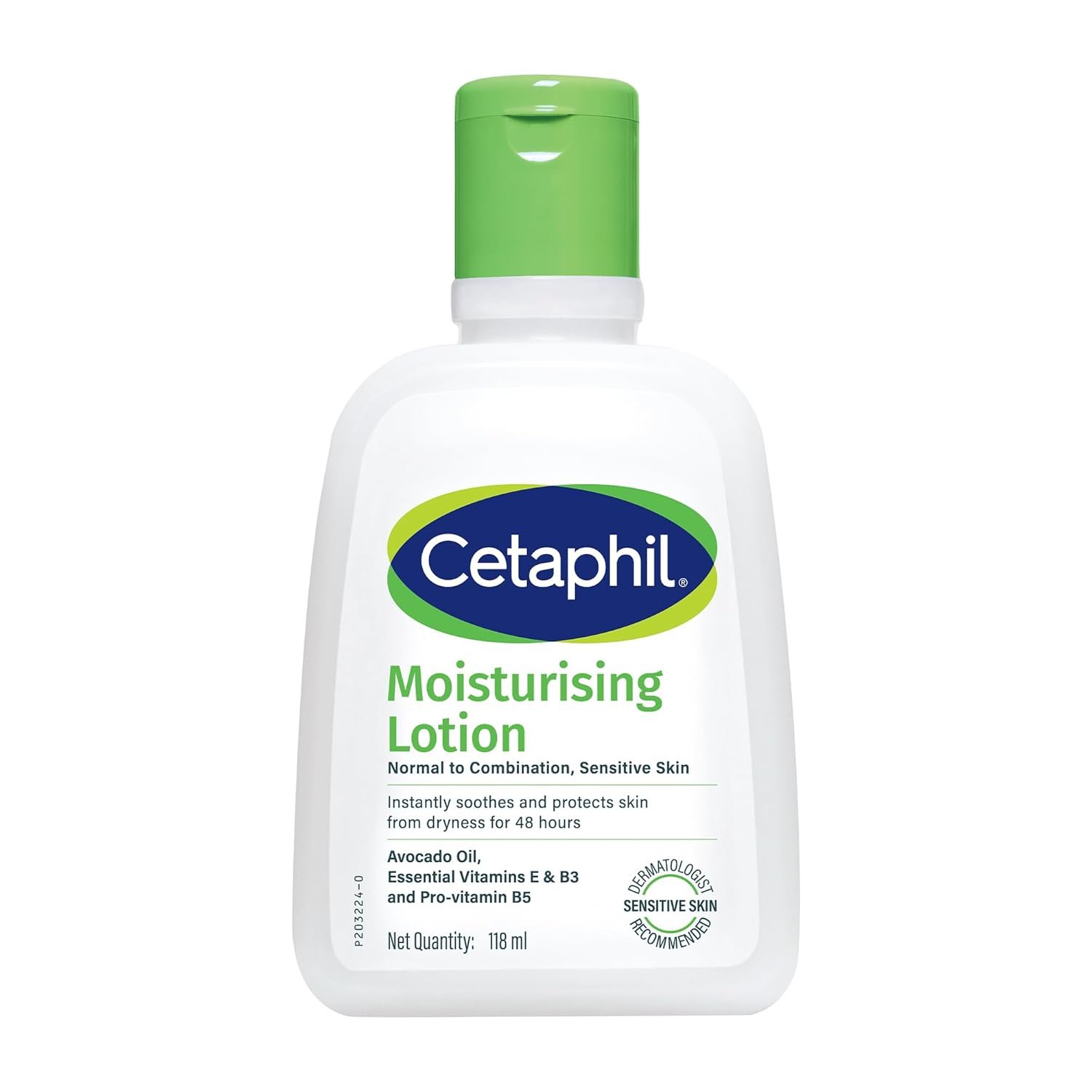
Cetaphil Moisturising Lotion Review: Clinically Proven Care for Sensitive, Dry Skin
For those with skin that feels dry, sensitive, or in need of extra care, finding a body lotion that delivers reliable hydration without irritation is a persistent challenge. Cetaphil positions its Moisturising Lotion as a daily solution for normal to dry and sensitive skin, promising gentle, clinically proven hydration and barrier support. But how does it measure up on the essentials that matter most to discerning users?
What Is Cetaphil Moisturising Lotion Positioned to Do?
Cetaphil Moisturising Lotion is positioned as a daily body lotion for people with normal to dry and sensitive skin, including those who are eczema-prone or concerned about moisture barrier repair. The brand highlights its suitability for these groups and states that the formula is hypoallergenic, non-comedogenic, and fragrance-free—characteristics often sought by individuals aiming to avoid irritation or breakouts. Cetaphil also notes that the product is dermatologist tested and accepted by the National Eczema Association as gentle on eczema-prone skin.
Clinically Proven Claims and Dermatologist Testing
The evidence supporting Cetaphil Moisturising Lotion extends beyond marketing language. The brand references clinical testing that demonstrates the lotion hydrates for up to 48 hours and can completely restore the skin’s moisture barrier within one week. These claims are further supported by independent evidence that confirms the lotion’s efficacy in both hydration and barrier restoration. Additionally, the product is dermatologist tested and described as gentle on sensitive skin, which is a significant reassurance for those with easily irritated skin.
Formulation and Key Ingredients
The ingredient list for Cetaphil Moisturising Lotion is fully disclosed and includes water, glycerin, isopropyl palmitate, cetearyl alcohol, ceteareth-20, panthenol, niacinamide, tocopheryl acetate, dimethicone, avocado oil, and sunflower seed oil, among others. Glycerin is a well-established humectant, helping attract and retain moisture in the skin. Panthenol (vitamin B5) and niacinamide (vitamin B3) are included for their roles in supporting skin resilience and barrier function. Avocado oil and sunflower seed oil are notable for their content of vitamins and fatty acids; in general, avocado oil is rich in vitamins A, D, and E, while sunflower seed oil offers linoleic acid, which can help maintain the skin’s barrier function. The lotion is also paraben free, fragrance free, and non-comedogenic, aligning with preferences for minimal irritation and reduced risk of pore clogging.
Practical Considerations and Limitations
While the product’s formulation and clinical backing are robust, there are a couple of important limitations. The lotion contains certain oils that make it unsuitable for those managing fungal acne, so individuals with this concern should avoid it. Additionally, it contains benzyl alcohol, which is an EU-listed fragrance allergen. This could be a consideration for those with known sensitivities to this specific ingredient. The product is described as lightweight and fast-absorbing by the manufacturer, but there is no independent evidence provided to confirm these texture claims.
Who Is This Lotion Most Relevant For?
Based on the supplied evidence, Cetaphil Moisturising Lotion is most relevant for people with normal to dry or sensitive skin, including those with eczema-prone skin or those seeking to repair the skin’s moisture barrier. Its clinical credentials and hypoallergenic, fragrance-free status make it a sensible choice for anyone prioritising gentle, dermatologist-backed hydration. However, those with fungal acne or sensitivities to benzyl alcohol should consider these limitations before use.